
Leaf Blower
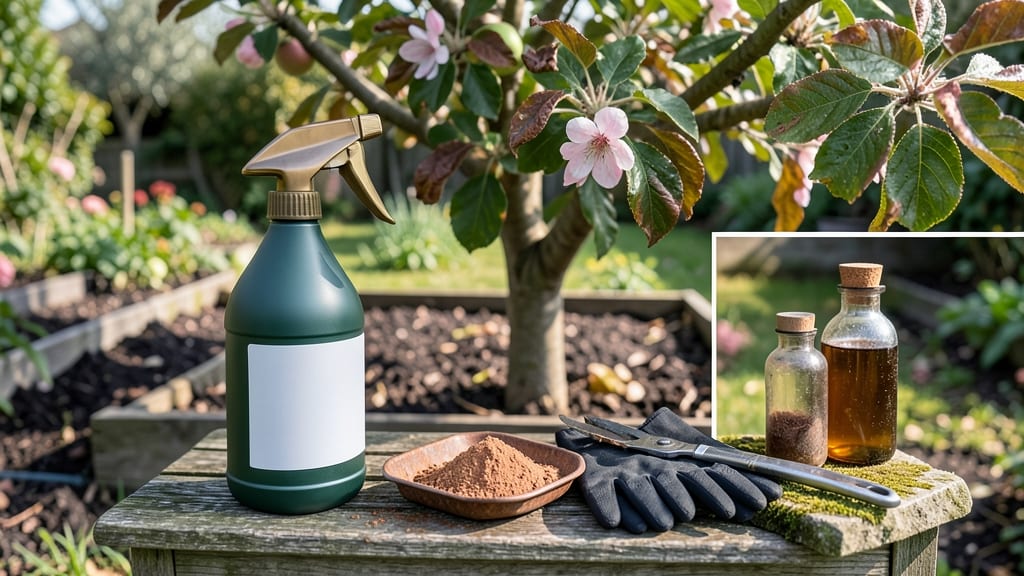
When your apple tree leaf curl treatment starts with leaves curling into tight, coppery spirals by spring, you’re staring down leaf curl disease—and neem oil mixed with baking soda can stop it fast. 🌱 I’ve seen this fungal nightmare turn vibrant green canopies into sad, twisted messes, but the right treatment gets trees back to producing crisp, juicy fruit in just a few weeks.
The secret lies in timing and ingredients: spray the blend before buds swell in early spring, when the fungus is most vulnerable. Most gardeners overlook the baking soda’s role—it boosts the neem oil’s effectiveness by creating an alkaline environment the fungus can’t tolerate.
You’ll need 2 tablespoons neem oil, 1 tablespoon baking soda, and a gallon of water, mixed with a drop of dish soap as an emulsifier. By late summer, your tree will look like it never had a problem—full, healthy leaves and next year’s blossoms already forming.
The blend also prevents reinfection, so you won’t waste money on repeat treatments. Just remember: dry weather is your friend—spray in the evening when humidity drops. Works for backyard orchards, container-grown trees, and even those stubborn old varieties that always seem to struggle.
Here’s how to make it work without fancy equipment or chemical residues.
Root Causes Of Leaf Curl
Apple tree leaf curl—those unsightly, puckered leaves that crinkle like old parchment—isn’t just an aesthetic nuisance. It’s a clear sign your tree is under siege, often by a mix of environmental stressors and fungal pathogens.
Understanding why it happens is the first step to stopping it before it spreads. Let’s break down the science behind the symptoms and uncover the real culprits behind your apple tree’s leafy distress.
Leaf curl in apple trees is most commonly caused by Venturia inaequalis, the fungus responsible for apple scab. This pathogen thrives in cool, wet conditions—think spring showers followed by chilly nights—and infects leaves, buds, and fruit. Here’s how it works:
- Spores spread via wind and water: Fungal spores land on young, tender leaves and buds, germinating in moisture. The fungus then penetrates the leaf tissue, disrupting normal growth and causing the characteristic curling.
- Overwintering spores: The fungus survives winter in fallen leaves and infected plant debris, ready to reinfect as soon as conditions warm up. This is why cleaning up debris is critical.
- Weakened tree defenses: Trees under stress (from drought, poor soil, or nutrient deficiencies) are more susceptible to fungal attacks. A healthy tree can resist better, but once infected, the fungus hijacks the leaf’s growth hormones, forcing it to curl inward.
💡 Pro Tip: If you notice leaf curl in early spring, the fungus is likely already at work. Act fast—delaying treatment gives it more time to spread and reduce your tree’s yield.
Fungal infections like apple scab don’t happen in a vacuum—they’re often triggered or worsened by specific weather conditions. Here’s how the forecast fuels the problem:
| Weather Factor | How It Helps the Fungus |
|---|---|
| Cool, wet springs (50–70°F with rain) | Ideal for spore germination and infection. The fungus needs free moisture to penetrate leaves. |
| High humidity (especially at night) | Prolongs leaf wetness, giving spores more time to infect. Even morning dew can be enough. |
| Sudden temperature swings | Stresses the tree, weakening its natural defenses against pathogens. |
| Poor air circulation | Traps moisture near the foliage, creating a fungal paradise. Dense plantings or overgrown trees are high-risk. |
✨ Key Insight: If your region has a reputation for damp springs (like the Pacific Northwest or parts of the Midwest), leaf curl may be an annual battle. Monitoring weather forecasts and planning preventive treatments accordingly can save your harvest.
A tree that’s already struggling is an easy target for pathogens. Leaf curl often flares up when underlying issues compromise the tree’s ability to fight off infections. Common culprits include:
- Nutrient deficiencies:
- Low nitrogen (N) = pale, yellowing leaves (chlorosis) and stunted growth, making the tree vulnerable.
- Calcium or magnesium deficiencies weaken cell walls, giving fungi easier entry points.
- Water stress:
- Overwatering = compacted soil and root rot, which stresses the tree.
- Underwatering = drought stress, reducing the tree’s ability to produce antifungal compounds.
- Physical damage: Pruning wounds, hail, or pest damage (like aphids or mites) create entry points for fungi to invade.
- Compacted or poor soil: Roots struggling to access water and nutrients lead to overall tree weakness. Apple trees prefer well-draining, slightly acidic soil (pH 6.0–6.5).
🔥 Actionable Fix: Conduct a soil test to check pH and nutrient levels. Amend the soil with compost or organic matter to improve drainage and fertility. A thriving tree is your best defense against leaf curl.
While fungi are the main drivers of leaf curl, pests and other stressors can open the door for infections. Here’s how they contribute:
- Aphids and mites: These sap-sucking pests weaken leaves by draining nutrients, creating stress points where fungi can take hold. Their sticky residue (honeydew) also attracts sooty mold, which further blocks sunlight and stresses the tree.
- Scale insects: Their waxy shells protect them from predators but also trap moisture against the bark, creating a fungal-friendly microclimate.
- Bacterial infections: While less common than fungal causes, bacterial leaf spot (e.g., Pseudomonas syringae) can mimic leaf curl symptoms. These bacteria thrive in wet conditions and often enter through insect wounds.
🎯 Prevention Tip: Regularly inspect your tree for pests, especially on the undersides of leaves. Early intervention—like spraying neem oil or introducing beneficial insects—can prevent a full-blown fungal outbreak.
How to Fix Leaf Curl Fast
Leaf curl on apple trees can feel like a frustrating mystery, but the good news is that most cases are treatable—especially if you catch them early.
Below, we’ll break down targeted fixes for the most common causes, from fungal infections to environmental stress, plus prevention tips to keep your tree thriving. Roll up your sleeves—it’s time to save those leaves!
Fix: Neem Oil + Baking Soda Blend (Your Secret Weapon!) Fungal leaf curl is often caused by apple scab, a stubborn pathogen that thrives in damp conditions. Here’s how to stop the spread and restore your tree’s health:
- 🔥 Spray the Neem-Baking Soda Mix
- Mix 1 tbsp baking soda, 1 tbsp neem oil, 1 tsp dish soap (as an emulsifier), and 1 gallon of water.
- Spray thoroughly on both sides of leaves and the tree’s bark, focusing on curled or spotted areas.
- Best time: Early morning or late evening (avoid direct sunlight to prevent leaf burn).
- Frequency: Repeat every 7–10 days until new growth appears healthy (usually 3–4 applications).
- 🌡️ Improve Airflow & Reduce Moisture
- Prune crowded branches to allow sunlight and air to circulate.
- Avoid overhead watering—use drip irrigation or water at the base.
- 💡 Pro Tip: Mulch with wood chips (not fresh grass clippings) to keep soil dry.
- ✨ Preventative Fungicide (For Next Season)
- Apply a copper fungicide (like Copper Sulfate) in early spring before buds swell.
- Consider organic options like potassium bicarbonate spray (1 tbsp per gallon of water).
Fix: Adjust Care & Protect Young Leaves If leaf curl is due to sudden temperature shifts or intense sunlight, your tree needs a little TLC:
- 👨🍳 Shade & Hydrate
- Temporary shade cloth (30–50% coverage) can protect young leaves from sun scorch.
- Water deeply 2–3 times per week (1–2 inches of water per session) to prevent stress.
- 🥘 Gradual Acclimation (For Cold Damage)
- If your tree was exposed to a late frost, avoid fertilizing until new growth appears.
- 💡 Pro Tip: Wrap the trunk in tree guard (burlap or commercial wrap) in winter to prevent cold cracks.
- 🔪 Prune Damaged Leaves
- Remove severely curled or brown leaves to redirect the tree’s energy to healthy growth.
- Sterilize pruners with rubbing alcohol to avoid spreading disease.
Fix: Targeted Sprays & Natural Predators Pests like mites or aphids can cause leaf curling by sucking sap. Here’s how to kick them out:
- 🍳 Homemade Pest Spray
- Mix 1 tsp neem oil, 1 tsp insecticidal soap, and 1 quart of water. Spray directly on pests (undersides of leaves too!).
- Frequency: Every 5–7 days until pests disappear.
- 🌿 Encourage Beneficial Bugs
- Plant marigolds or dill nearby to attract ladybugs and lacewings, natural pest predators.
- 💡 Pro Tip: Avoid broad-spectrum pesticides—they kill helpful insects too!
- 🔪 Isolate Infested Branches
- If a branch is heavily infested, prune it out and dispose of it in a sealed bag (not compost).
Once your tree is healthy, lock in that progress with these long-term strategies:
| Problem | Prevention Hack | When to Do It |
|---|---|---|
| Fungal infections | Copper fungicide spray (early spring) | Before buds open |
| Pest outbreaks | Reflective mulch (aluminum foil strips) | Spring & summer |
| Environmental stress | Drip irrigation + mulch | Planting season & dry spells |
| Weak new growth | Balanced fertilizer (10-10-10) | Early spring (after pruning) |
✨ Bonus Tip: Monitor your tree weekly—early detection is key! Use a hand lens to check for tiny fungal spots or pest webs before they spread.
Final Thought: Leaf curl doesn’t have to mean the end of your apple tree’s glory days. With consistent care, your tree can bounce back—and next season, you’ll be one step ahead of those pesky pathogens! 🍏🌿
Frequently asked questions
Why does my apple tree get leaf curl every spring?
Leaf curl typically appears because of Venturia inaequalis, the fungus causing apple scab. It thrives in cool, wet springs and overwinters in fallen leaves. Poor airflow, dense foliage, or weak trees from stress (like drought or nutrient deficiencies) make your tree more vulnerable. Cleaning up debris and improving airflow can help prevent it next year.
Can I use store-bought fungicides instead of homemade sprays?
Yes! Copper fungicides (like Copper Sulfate) or sulfur-based sprays work well for leaf curl. For organic options, potassium bicarbonate (1 tbsp per gallon of water) is effective. Always follow label instructions, and apply in early spring before buds open for best results. Homemade neem oil blends are great too but may require more frequent applications.
How do I know if my tree’s leaf curl is from fungus or pests?
Fungal leaf curl often shows as coppery, puckered leaves with tiny black spots (apple scab). Pest-related curling (from aphids or mites) usually has sticky residue (honeydew) or visible bugs on leaf undersides. Check both sides of leaves and shake branches over white paper to spot pests. Fungal issues respond to fungicides, while pests need insecticidal soaps or neem oil.
Will pruning help my apple tree recover from leaf curl?
Yes! Prune out severely curled or infected branches to improve airflow and redirect the tree’s energy. Sterilize your pruners with rubbing alcohol to avoid spreading disease. Focus on removing dead wood and crossing branches. Thin the canopy by 20-30% to let sunlight reach the center—this helps prevent future fungal outbreaks by reducing humidity.
How long until I see improvement after treating leaf curl?
With consistent treatment (like neem oil sprays every 7–10 days), you should see new growth appear healthy within 2–3 weeks. Fully reversing damage takes time—focus on preventing spread. By late summer, your tree should look much better, and next season’s buds will be healthier if you’ve addressed the root causes (like soil health or airflow).