
Pests
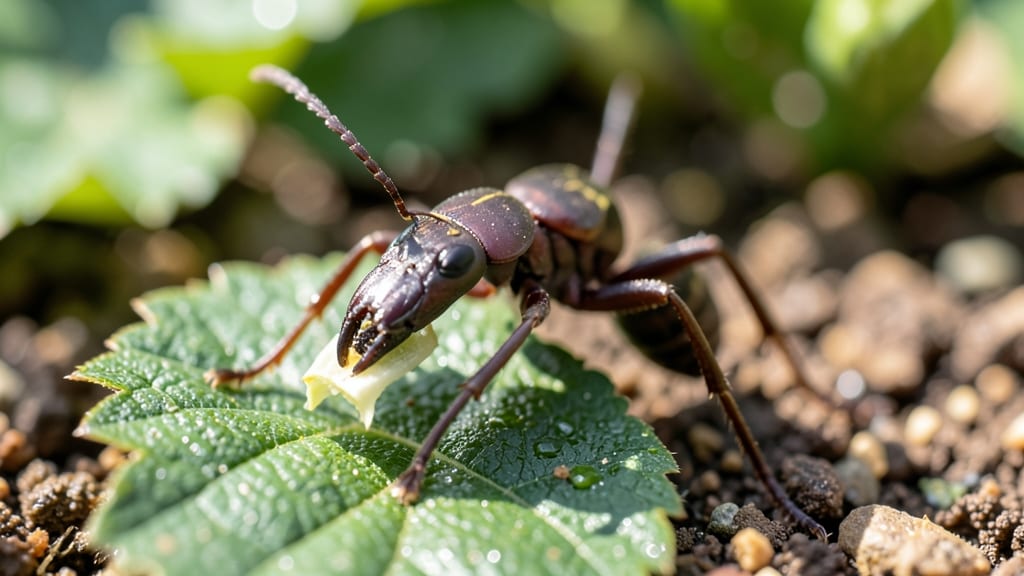
Texas leaf cutter ants are effectively killed by borax-based baits, horticultural oils, or neem oil sprays, as well as diatomaceous earth applied directly to trails. Fast-acting chemical solutions like fipronil or bifenthrin eliminate colonies quickly, while organic methods demand consistent reapplication for complete control.
These pests are particularly vulnerable to desiccants like borax and diatomaceous earth, which disrupt their waxy exoskeletons and cause fatal dehydration. 🔥 Horticultural oils work by smothering ants and blocking their respiratory systems, while neem oil's natural compounds interfere with their growth hormones.
Chemical treatments like fipronil provide immediate results but require careful handling around pets and plants.
For gardeners, placement matters—baits should be positioned near active trails or nest sites, and neem oil mixtures should be applied during dry conditions to maximize effectiveness. Always follow label instructions for safety, especially when using stronger chemical options.
💡 In This Article
- How Borax and Diatomaceous Earth Destroy Leaf Cutter Ants
- Step-by-Step Guide to Applying Ant Killers in Gardens
How borax and diatomaceous earth destroy leaf cutter ants
Borax works by disrupting the waxy exoskeleton of Texas leaf cutter ants through a process called osmotic dehydration. When ants ingest borax-based baits, the compound draws moisture out of their bodies at a cellular level, causing fatal dehydration within 24-48 hours.
This happens because borax is a hygroscopic substance—it absorbs water molecules from surrounding tissues, including the ants' hemolymph (their insect equivalent of blood). The effect is gradual but relentless, making it especially effective for colony elimination when placed near active trails.
Diatomaceous earth (DE), on the other hand, operates through physical abrasion. The microscopic silica particles in food-grade DE have sharp, jagged edges that puncture the ants' cuticles when they walk across treated areas.
This creates tiny wounds that disrupt their protective wax layer, leading to rapid water loss and death from dehydration. Unlike borax, DE doesn't require ingestion—ants die simply from direct contact with treated trails.
However, its effectiveness drops significantly in humid conditions (above 60% humidity) because moisture coats the particles, reducing their abrasive power. For best results, apply DE during dry weather and reapply after rain.
The key difference between these methods lies in their mechanism of action and application requirements. Borax-based baits need to be consumed by worker ants, who then share the poison with the colony through trophallaxis (food-sharing behavior).
This makes placement critical—baits should be near nest entrances or along heavily trafficked trails. Diatomaceous earth, however, works as a contact poison, so it's ideal for treating large areas where ants are actively moving.
Both methods are non-toxic to plants but require careful handling to avoid inhaling the fine DE particles.
Horticultural oils take a different approach by creating a physical barrier that suffocates ants. When sprayed on trails or nest sites, these oils coat the ants' exoskeletons and spiracles (breathing pores), blocking oxygen exchange.
The oils also contain azadirachtin in neem-based formulations, which interferes with the ants' molting process and disrupts their growth hormones. This dual-action makes neem oil particularly effective against colonies, though it requires reapplication every 7-10 days due to weather exposure. The advantage?
It's pet-safe when used correctly and won't harm beneficial insects like bees.
For gardeners dealing with persistent infestations, combining methods often yields the best results. For example, using borax baits near the nest while applying diatomaceous earth to trails creates a two-pronged attack. The baits eliminate the colony from within, while DE prevents new ants from reaching the food source.
Always monitor treatment areas—ants may temporarily relocate if their primary trails are blocked, so consistency is key to long-term control. 🔥
One common misconception is that these natural methods work instantly. In reality, full colony eradication can take 2-4 weeks, depending on the size of the nest and environmental conditions. Chemical options like fipronil or bifenthrin offer faster knockdown (within 24-72 hours) but come with stricter safety protocols.
The choice ultimately depends on your tolerance for wait times and whether you prioritize organic solutions or faster results.