
Pests and Diseases
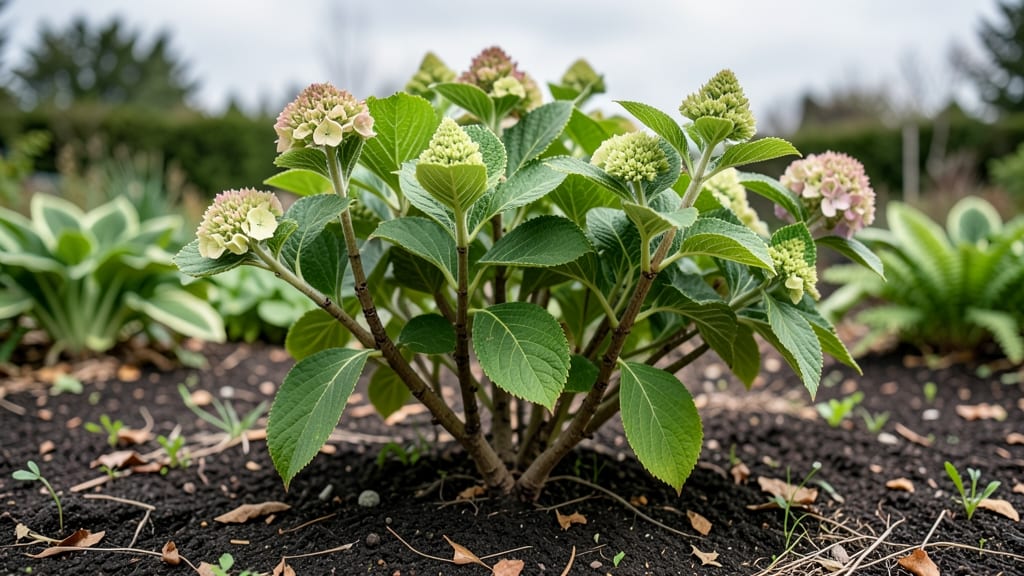
Hydrangeas leaf out in spring when soil temperatures hit 50°F—a window that shifts by weeks depending on your zone, from late March in the South to May in colder climates.
If you’ve ever wondered why your 🌸 hydrangeas look dormant all winter only to burst into life at different times each spring, the answer lies in their growth cycle—and your climate zone.
Timing these leafouts correctly can mean the difference between vibrant blooms and a disappointing season. In Zone 6a, like many gardeners, you’ll likely spot the first buds swelling in April, but a late frost can push that back.
Below, I break down the exact timeline by region, how to spot early growth signals, and what to watch for to protect tender new leaves—so you can give your hydrangeas the best start possible.
Hydrangea leaf out timeline by USDA hardiness zones
Hydrangeas are famous for their stunning blooms, but their leaf-out timing varies dramatically depending on your USDA hardiness zone.
In colder zones like Zone 3-4, you might not see new growth until late May or early June, while Zone 8-9 gardeners often spot fresh leaves as early as February or March.
This timing isn’t random—it’s tied to winter chill requirements and last frost dates in your area.
The key difference lies in how hydrangea varieties handle cold dormancy. Oakleaf hydrangeas (Hydrangea quercifolia) are early leafers, often breaking dormancy 2-4 weeks sooner than Bigleaf hydrangeas (Hydrangea macrophylla). Meanwhile, Panicle hydrangeas (Hydrangea paniculata) tend to leaf out mid-season, balancing early and late bloomers.
| USDA Zone | Typical Leaf-Out Window | Early Bloomers (Oakleaf) | Late Bloomers (Bigleaf) | Key Factor |
|---|---|---|---|---|
| Zone 3-4 | Late May - Early June | Early June | Mid-June | Long winter chill |
| Zone 5-6 | Mid-April - Late May | Late April | Early June | Moderate frost risk |
| Zone 7-8 | Early March - April | February (mild winters) | March-April | Minimal winter chill |
| Zone 9 | January - February | January | February | No winter dormancy |
Soil temperature plays a bigger role than air temperature in triggering leaf-out. Most hydrangeas won’t break dormancy until the soil reaches 50-55°F.
In Zone 5-6, this often aligns with last frost dates, but in Zone 7-9, you might see leaves emerge weeks before the first frost warning. Use a soil thermometer to track this—it’s more reliable than guessing!
Frost dates also explain why early leafers (like Oakleaf) struggle in Zone 3. Their tender new growth can get damaged by late frosts in April or May. Meanwhile, late-leafing Bigleaf hydrangeas avoid this risk by waiting until after the last frost in Zone 5-6.
If you’re in a transitional zone (like Zone 6b
Another factor? Winter chill hours. Hydrangeas in Zone 4-6 need 500-1,000 hours below 45°F to set buds properly. Without enough chill, they may leaf out early but produce fewer or smaller blooms. In Zone 8-9, where winters are mild, some gardeners use artificial chilling (like refrigerated storage) to trick hydrangeas into blooming on schedule. Pro tip: If your hydrangeas leaf out too early in Zone 4-5, they’re likely not getting enough winter chill. Try moving them to a colder microclimate or mulching heavily in fall to simulate winter conditions. Conversely, in Zone 7-9, delayed leafing often means they’re waiting for warmer soil—so avoid heavy mulch in fall if you want earlier growth. Watch for bud swelling as your first clue. In Zone 6-7, you’ll often see buds plump up in late March, even if leaves don’t emerge for another 2-3 weeks. Bigleaf hydrangeas (like Endless Summer) may take longer to leaf out but reward you with longer bloom seasons if cared for properly. Oakleaf varieties, on the other hand, leaf out early but may need extra protection from late frosts. For gardeners in Zone 8-9, hydrangeas might leaf out so early that they look like they’ve been growing all winter. But don’t panic—this is normal! These zones have mild winters, so hydrangeas don’t enter true dormancy. Focus on watering consistently once leaves appear, as dry spells can stress new growth. In Zone 3-4, patience is key—wait until soil warms to 60°F before watering heavily to encourage root growth. Finally, remember that container-grown hydrangeas leaf out 1-2 weeks earlier
Signs your hydrangeas are ready to leaf out (and what to watch for)
Spotting when your hydrangeas are about to leaf out can feel like reading a secret garden code—but it’s all about understanding their dormancy signals. Most hydrangeas begin their spring awakening when soil temperatures hit a consistent 45°F (7°C), not when air temperatures rise.
This subtle shift triggers buds to swell, often weeks before leaves appear above ground.
First, look for bud swelling along the stems. Healthy buds will plump up like tiny green beads, signaling the plant is breaking dormancy. In Oakleaf hydrangeas, these buds often appear first, followed by Bigleaf varieties.
Pay attention to the color change too—buds shift from brown to a vibrant greenish hue when ready to burst.
⚠️ callout warning ⚠️
Hydrangeas leaf out based on soil warmth, not air temps. Cold mornings with 50°F (10°C) air but 45°F (7°C) soil? Your buds are already waking up—even if it feels chilly. Use a soil thermometer to check 2-3 inches deep for accuracy.
✅ Pro Tip: Mulch retains soil heat, helping buds wake up 1-2 weeks earlier in cooler zones.
Another key sign is the leaf color shift in evergreen varieties like Oakleaf hydrangeas. Their leaves may start as dull bronze but brighten to lush green as growth accelerates.
For deciduous types, watch for new growth at the tips of branches—these are your first clues that the plant is pushing energy upward.
If your hydrangeas seem slow to leaf out, check for root stress or over-mulching. Too much mulch can suffocate roots, delaying growth. Also, late winter pruning can shock the plant—always prune after buds swell but before new leaves unfurl.
In Zone 5 or colder, protect tender shoots with frost cloth if nights dip below 32°F (0°C).
Timing matters for bloom production too. Early leafers (like Panicle hydrangeas) may bloom on old wood, while late leafers (like Bigleaf) need last year’s growth. Prune at the right time—after leafing but before blooms form—to ensure a full season of flowers.
Keep an eye on watering needs as buds swell. Hydrangeas need consistent moisture during this phase—deep watering 1-2 times per week prevents bud drop. If your soil feels dry 1 inch below the surface, it’s time to water.
Pair this with a balanced fertilizer (like 10-10-10) to fuel new growth.