
Pests and Diseases
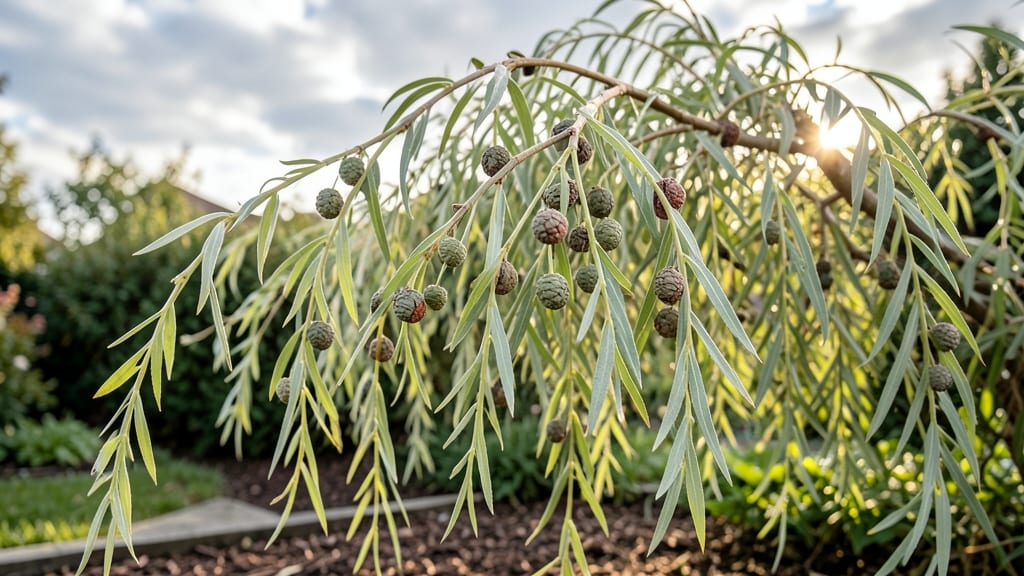
Those swollen, gnarled willow leaves aren't just weird—they're willow leaf gall, a common but harmless pest problem caused by tiny wasps or fungi. 🌿 I've seen entire willow trees turn into living sculptures from these growths, and while they look dramatic, they rarely hurt the tree's health.
The key is knowing how to manage them without harming your willow.
These galls form when wasps lay eggs in leaf tissue or when fungi infect the plant, triggering abnormal growth. The result? Those classic rounded or spiky lumps that make willows look like something from a fairy tale.
Most gardeners worry they're damaging, but in reality, willow trees handle them like a champ—though heavy infestations can weaken the plant over time.
Removing them is simple: just snip off the worst galls with clean pruners during dormant seasons (late fall or early spring). For organic control, encourage natural predators like birds and parasitic wasps.
A strong willow tree with proper care will bounce back faster than you'd expect, and next year's galls will be fewer and far between.
Prevention is about keeping your willow healthy—water deeply during droughts, prune for airflow, and avoid over-fertilizing. If you're dealing with a young tree, watch for early signs of gall formation so you can act before it spreads.
The goal isn't to eliminate galls completely (they're part of nature's quirks), but to keep your willow thriving despite them.
The Hidden Triggers Behind Leaf Galls
Willow leaf galls—those odd, swollen deformities on tree foliage—aren’t just random quirks of nature. They’re the result of a complex interaction between insects, fungi, and plant biology.
Understanding why these galls form helps you spot them early and take action. Below, we break down the key culprits and their science-backed mechanisms.
Most willow leaf galls are triggered by tiny, specialized insects called gall wasps (family Cynipidae) or gall midges (family Cecidomyiidae). These pests don’t just nibble—they hijack the plant’s growth hormones to create protective nurseries for their larvae. Here’s how it works:
- Egg-laying precision: Female wasps or midges insert their eggs into leaf tissue, often near veins. Their saliva contains jassoid hormones, which signal the plant to overproduce cells around the egg.
- Cell division chaos: The plant’s normal growth regulators (like auxin and cytokinin) get disrupted. Cells multiply uncontrollably, forming the gall’s characteristic bump or pouch.
- Larval protection: The gall’s thickened walls shield the developing insect from predators and harsh weather, ensuring its survival.
Pro tip: 🔍 Galls caused by insects often have tiny holes or exit tunnels—look for these signs to confirm the culprit.
Not all galls are insect-driven. Some are caused by fungal infections, particularly from pathogens like Taphrina species. These fungi exploit weak spots in the willow’s defense system:
- Spore invasion: Fungal spores land on leaves, often after rain or high humidity. They penetrate the leaf surface through natural openings (like stomata) or wounds.
- Hormone manipulation: The fungus secretes ethylene and other signaling molecules, tricking the plant into forming abnormal growths. Unlike insect galls, fungal galls are usually powdery or discolored.
- Environmental triggers: Fungal galls thrive in wet, shaded conditions. Poor air circulation or overwatered soil increases risk.
Pro tip: 🌡️ Fungal galls often appear in clusters during damp springs—monitor willows after heavy rains.
Galls rarely appear on healthy willows. Instead, they target trees under stress from:
| Stress Factor | How It Helps Galls Form |
|---|---|
| 💧 Overwatering or drought | Fluctuating moisture weakens cell walls, making leaves easier targets for insects/fungi. |
| ✂️ Poor pruning practices | Over-pruning or wrong timing (e.g., cutting in late fall) stresses the tree, reducing its ability to repel pests. |
| 🌿 Nutrient deficiencies | Low nitrogen or potassium makes leaves less resilient; galls thrive on malnourished foliage. |
| 🐛 Existing pest damage | If aphids or mites have already fed on the tree, its defenses are compromised for secondary gallmakers. |
Pro tip: ✨ Prevent stress by mulching properly, watering deeply but infrequently, and fertilizing in early spring.
Now that you know the why, the next step is action—stay tuned for organic removal methods and pruning tips to reclaim your willow’s health!
Practical Fixes for Twisted Leaves
Removing and preventing willow leaf galls—those unsightly, knobby growths caused by tiny wasps—requires a mix of targeted action and smart long-term care. Below, we’ve mapped out simple, organic solutions based on the root cause, from immediate fixes to seasonal prevention.
Cause: Early-stage galls (small, firm bumps) signal the wasp larvae are still developing. Fix:
- 🔪 Trim infected leaves with sharp pruners, cutting ½ inch below the gall to avoid spreading. Dispose of clippings in a sealed trash bag (not compost).
- 🌧️ Rinse leaves with a soapy water spray (1 tsp mild castile soap per gallon of water) to deter wasps and remove eggs. Spray early morning or evening to avoid harming beneficial insects.
- 🔥 Burn or deep-bury heavily infested branches (if local regulations allow) to eliminate larvae.
Pro Tip: 💡 Wear gloves! Some galls ooze a sticky sap that can irritate skin.
Cause: Adult wasps (like Pontania species) lay eggs in young willow leaves, triggering gall formation. Fix:
- 🌿 Plant companion species near your willow to confuse wasps:
- Rosemary (strong scent repels insects)
- Marigolds (deter pests naturally)
- Dill or fennel (attracts predatory wasps that eat gall-makers)
- 🕷️ Encourage gall midge predators like parasitic wasps (Brachymeria spp.) by avoiding broad-spectrum pesticides.
- 🧴 Apply neem oil spray (1 tbsp neem oil + 1 tsp soap per gallon of water) every 7–10 days during spring/summer. This disrupts wasp egg-laying and larval development.
Warning: ⚠️ Avoid neem oil if temperatures exceed 90°F (32°C)—it can harm leaves.
Cause: Weak, stressed, or overcrowded willows attract more wasps. Fix:
- ☀️ Optimize sunlight and airflow:
- Thin out dense branches to reduce humidity (galls thrive in damp conditions).
- Space young willows 10–15 feet apart to prevent overcrowding.
- 💧 Water deeply but infrequently:
- Overwatering stresses roots, making willows vulnerable. Water 1–2 times per week (adjust for clay soil).
- Mulch with wood chips (2–3 inches) to retain moisture without suffocating roots.
- 🌿 Fertilize lightly in early spring:
- Use a balanced organic fertilizer (5-5-5 or compost tea) to boost resilience. Avoid high-nitrogen—it promotes soft, wasp-friendly growth.
Seasonal Checklist:
| Season | Task | Why It Works |
|---|---|---|
| Early Spring | Prune dead/galled branches | Removes overwintering larvae |
| Late Spring | Apply neem oil + companion plants | Stops new wasp activity |
| Summer | Monitor for new galls | Early action prevents spread |
| Fall | Rake up fallen leaves | Reduces hiding spots for overwintering wasps |
- ❌ Don’t use chemical pesticides—they kill beneficial insects and can harm willow health.
- ❌ Avoid pruning in fall/winter—dormant trees are more susceptible to disease.
- ❌ Skip the soap in sprays—it can damage leaves if overused (stick to 1–2 treatments per season).
Final Thought: 🎯 Willow leaf galls are annoying but rarely fatal to the tree. With consistent pruning, natural deterrents, and good willow hygiene, you can keep your tree thriving—and wasps at bay!
Frequently asked questions
Are willow leaf galls harmful to my tree?
Willow leaf galls are usually harmless to mature, healthy trees. While they look dramatic, they rarely cause serious damage. However, heavy infestations can weaken young or stressed willows by diverting energy from growth. Monitor your tree's overall health—if leaves yellow or drop excessively, take action to reduce gall formation.
What's the best time of year to remove willow leaf galls?
Prune galls during late fall or early spring when the tree is dormant. This prevents stressing the willow during active growth periods. Avoid pruning in summer when wasps are most active. For severe cases, you can also remove galls in late winter before new growth begins.
Will cutting off galls make more appear?
No, removing galls won't cause more to form. The galls themselves are a response to wasp eggs or fungal spores—they don't reproduce like other pests. However, if the underlying cause (stressed tree or wasp activity) isn't addressed, new galls may develop. Think of pruning as maintenance, not a cure-all.
Can I use homemade sprays to prevent willow leaf galls?
Yes! Try a neem oil spray (1 tbsp neem oil + 1 tsp soap per gallon of water) applied every 7-10 days during spring/summer. For a simpler option, mix 1 tsp mild castile soap in a gallon of water and spray leaves to deter wasps. Always test sprays on a small leaf area first.
Why do some willow trees get galls while others don't?
Healthy willows with good airflow and proper nutrition resist galls better. Trees under stress from overwatering, poor soil, or overcrowding attract more gall wasps. Location matters too—willows in shady, damp areas are more vulnerable. Focus on growing strong trees to naturally reduce gall problems.