
Leaf Blower
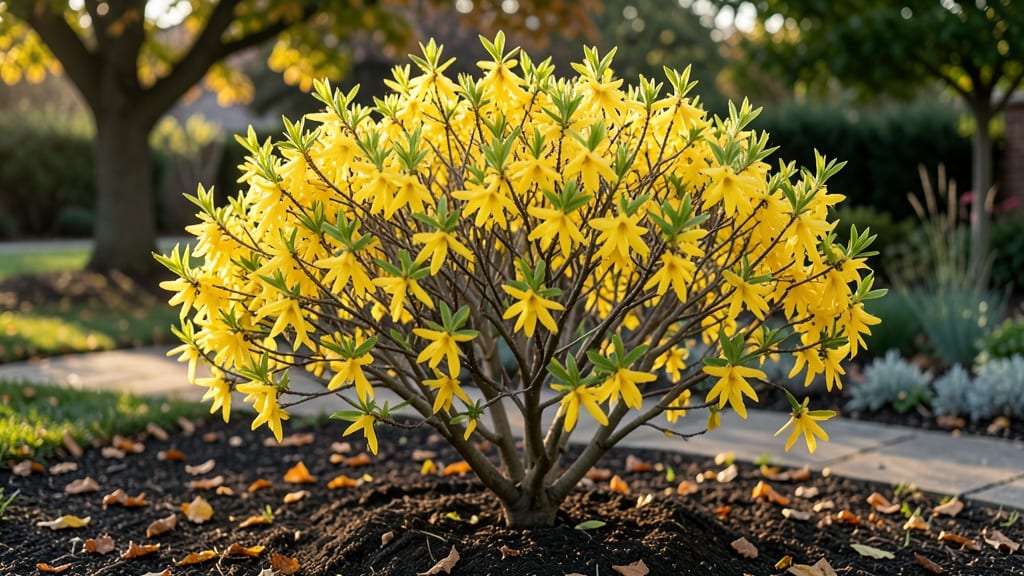
A yellow leafed bush almost always points to underlying stress—whether from nutrient imbalances, improper watering, pest infestations, or disease. The most common culprits are nitrogen deficiency, fungal infections like powdery mildew, or environmental factors such as overwatering or poor drainage. Start by examining the leaf pattern and edges to narrow down the issue before applying targeted solutions like balanced fertilizers, pruning, or organic pest control.
Yellowing leaves rarely appear without a reason, and understanding the specific pattern is key to diagnosing the problem. 🌿 For example, yellow leaves that start at the bottom often signal nitrogen deficiency, while yellowing with brown edges typically points to overwatering or salt buildup in the soil.
I always recommend checking the soil moisture first—dry soil usually means underwatering, while soggy soil suggests root rot or poor drainage. Many gardeners overlook environmental factors like light exposure, which can cause leaves to yellow if the bush isn't getting enough sunlight or is exposed to harsh afternoon rays.
Once you've identified the root cause, the fix becomes much clearer. For instance, if the issue is nutrient-related, a slow-release fertilizer can provide steady nourishment, while fungal infections often respond well to copper-based sprays or neem oil.
Pruning isn't just about removing yellow leaves—it's also about improving airflow to prevent future issues. The key is consistency: address the problem early, and your bush will recover faster than you might expect.
💡 In This Article
- Diagnosing Yellow Leaves on Bushes: Root Causes and Symptoms
- Step-by-Step Fixes for Yellow Leafed Bushes by Problem Type
Diagnosing yellow leaves on bushes: root causes and symptoms
The science behind yellowing leaves lies in chlorophyll breakdown—a process called senescence. When bushes lack essential nutrients like nitrogen (the building block of chlorophyll), leaves turn yellow because the plant can't produce enough of this green pigment.
For example, nitrogen-deficient leaves often start yellowing at the older, lower leaves first, since the plant prioritizes sending nutrients to new growth. This is why a soil test showing low nitrogen (below 0.1% by weight) is a red flag for many gardeners.
Water stress is another major culprit, but the symptoms differ based on whether you're overwatering or underwatering. Overwatering causes yellowing with brown, crispy edges because roots suffocate in soggy soil, preventing nutrient uptake.
The soil pH also plays a role—most bushes thrive in slightly acidic soil (pH 6.0-7.0), but alkaline conditions (above 7.5) can lock out essential nutrients like iron and manganese, leading to yellowing between leaf veins. 🌱 This "interveinal chlorosis" is a classic sign of nutrient deficiencies caused by poor soil chemistry.
Fungal and bacterial infections often create distinct patterns too. Powdery mildew, for instance, causes yellowing followed by a white, powdery coating on leaves, while root rot from overwatering produces yellowing paired with wilting and mushy stems.
Pest damage like aphids or spider mites creates stippled or mottled yellowing because these pests suck plant sap, disrupting chlorophyll production. The key is examining the leaf undersides—tiny webs or clusters of insects often reveal the culprit before symptoms appear.
Environmental factors like light exposure can also trigger yellowing. Bushes in low-light conditions often develop pale yellow leaves because they can't perform photosynthesis efficiently, while those exposed to direct afternoon sun may scorch, turning yellow with brown patches.
Even windburn can cause yellowing on exposed leaves, especially in delicate varieties like hydrangeas. The solution here is strategic placement—moving bushes to partial shade or using windbreaks can prevent further damage.
Don't overlook the role of seasonal changes. Some bushes naturally shed older leaves in spring, but if more than 30% of leaves yellow suddenly, it's worth investigating.
For example, azaleas may yellow if their soil stays too wet during winter, while boxwoods often react to boxwood blight, a fungal disease that causes yellowing followed by blackened leaves. The key is to compare your bush's symptoms to these common patterns before jumping to conclusions.
One often-missed detail is the leaf texture. Yellow leaves that feel soft or spongy usually indicate overwatering or disease, while crispy, dry yellowing often points to underwatering or high soil salinity.
Paying attention to these subtle clues can save you from misdiagnosing the problem—and wasting time on the wrong fix. 🔍