
Pruning
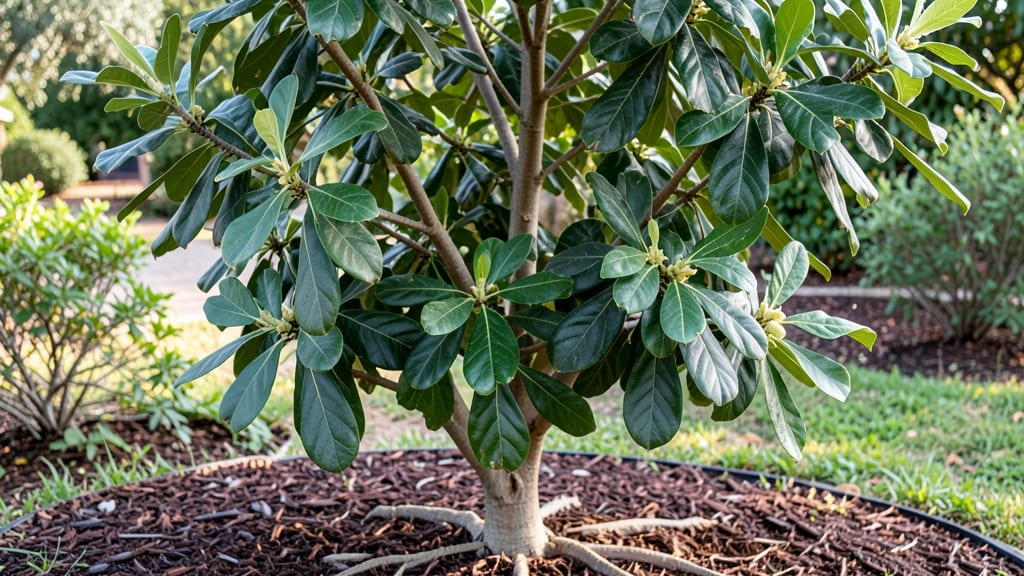
The avocado tree leaf identification your plant offers is like a silent language—one that reveals its health with every shade, spot, or curl. Whether it’s vibrant green or marred by alarming yellow, every leaf holds clues about what your tree truly needs.
I’ve spent years translating those signals into actionable care, and I’m sharing the visual cues that make diagnosis straightforward.
Healthy leaves are glossy, dark green, and firm to the touch, with smooth edges and no visible damage. But when you spot yellowing between veins, brown spots, or curling edges, those are red flags for common issues like fungal infections, nutrient deficiencies, or pest infestations.
The key is catching problems early—before they spread to the rest of the tree.
By the end of this guide, you’ll confidently spot the difference between a leaf that just needs a little TLC and one signaling a serious issue.
We’ll cover what each symptom means, how to treat it, and when to call in reinforcements. Your tree’s future depends on reading these signs right.
No more guessing games—just clear, practical steps to keep your avocado tree thriving. Let’s decode those leaves together and get your tree back to its healthiest self.
Understanding Leaf Trouble Signs
Avocado trees communicate their health through their leaves—sometimes in ways that can be confusing or alarming. If your tree’s foliage isn’t looking its best, it’s likely responding to environmental stressors, pests, or diseases.
Here’s a breakdown of the most common why it happens scenarios, explained in simple terms with actionable insights.
Avocado trees are heavy feeders, and when their diet is off, leaves show the first signs of distress. Here’s what’s missing—and how to fix it:
- Yellowing Between Veins (Chlorosis) - Cause: A lack of magnesium or iron in the soil. These nutrients are essential for chlorophyll production, and avocados struggle to absorb them when soil pH is too high (alkaline). - Why It Happens: Avocados thrive in slightly acidic to neutral soil (pH 6.0–7.0).
If your soil is alkaline (pH >7.0), iron and magnesium become "locked" and unavailable. Even if the soil has these nutrients, the tree can’t access them. - Actionable Fix: - Test your soil (DIY kits are cheap and easy).
If pH is >7.0, amend with sulfur or peat moss to lower it gradually. - Apply chelated iron or Epsom salt (magnesium sulfate) as a foliar spray or soil drench.
For severe cases, use iron sulfate granules mixed into the top 6 inches of soil. - Pro Tip: 💡 Avocados also need zinc and manganese—if chlorosis persists, test for these too.
- Brown or Crinkled Leaves with Yellow Spots - Cause: Potassium deficiency or excess salt in the soil. - Why It Happens: Potassium regulates water movement and enzyme activity. If the tree isn’t getting enough (common in sandy or leached soils), leaves burn at the edges and develop necrotic spots.
Salt buildup (from over-fertilizing or poor drainage) can also block nutrient uptake. - Actionable Fix: - Flush the soil with water to reduce salt buildup. - Apply a balanced fertilizer (like 6-6-6 or 10-10-10) with extra potassium. Banana peel tea (steep peels in water for a week) is a natural, potassium-rich remedy. - Avoid overwatering—avocados hate soggy roots.
Leaves aren’t just food for avocados—they’re also a buffet for pests. Here’s how insects sabotage your tree and what’s really going on:
- Holes, Skeletons, or Sticky Residue - Culprits: Avocado lace bugs, mealybugs, or caterpillars (like the avocado moth). - Why It Happens: - Lace bugs pierce leaves to suck sap, leaving yellow stippling and black fecal spots.
Their eggs are laid on the undersides of leaves, hatching into nymphs that do even more damage. - Mealybugs cluster in leaf axils, excreting honeydew that attracts sooty mold (a black fungal growth). - Caterpillars (like the avocado seed moth) chew through leaves, leaving irregular holes or "windows." - Actionable Fix: - Handpick large pests or use a strong stream of water to dislodge them. - Apply neem oil (mix 2 tbsp per gallon of water) or insecticidal soap to smother soft-bodied pests like mealybugs. - For lace bugs, spinosad (a natural bacterial pesticide) is effective. Pro Tip: 🎯 Prune and destroy heavily infested leaves to break the pest cycle.
- Webbing or Silken Tubes on Leaves - Culprit: Avocado spider mites or scale insects. - Why It Happens: - Spider mites thrive in dry, hot conditions and spin fine webs on the undersides of leaves.
They suck sap, causing stippling and leaf drop. - Scale insects attach to leaves/stems, creating waxy bumps.
They weaken the tree by siphoning nutrients. - Actionable Fix: - Increase humidity around the tree (mist leaves or use a drip irrigation system). - Spray with water to knock off mites, then apply horticultural oil or sulfur-based miticides. - For scale, scrub off infested areas with a soapy cloth or use dormant oil in winter.
Diseases often start as small leaf spots but can spread rapidly if conditions are right. Here’s what’s infecting your avocado—and how to stop it:
- Black or Dark Brown Spots with Yellow Halos - Diseases: Avocado root rot (fungal) or anthracnose (bacterial/fungal). - Why It Happens: - Root rot (caused by Phytophthora fungi) thrives in waterlogged soil.
The fungus attacks roots first, then spreads upward, causing leaf yellowing and spotting. - Anthracnose (from Colletotrichum fungi) loves wet, humid conditions.
It creates sunken, dark lesions on leaves, often with a yellow border. - Actionable Fix: - Improve drainage—raise the tree on a mound or amend soil with compost and perlite. - Avoid overhead watering—water at the base only.
Use drip irrigation to keep foliage dry. - Fungicides: Apply copper-based sprays (for anthracnose) or phosphite fungicides (like Subdue) for root rot. Pro Tip: 🌡️ Remove and destroy infected leaves immediately to prevent spread.
- White or Gray Fuzzy Growth on Leaves - Disease: Powdery mildew (fungal). - Why It Happens: This fungus loves warm, humid weather and poor air circulation.
It coats leaves in a white, powdery film, blocking sunlight and stunting growth. - Actionable Fix: - Space trees 15–20 feet apart for airflow. - Spray with baking soda solution (1 tsp baking soda + 1 tbsp oil + 1 gallon water) or neem oil. - Prevent recurrence by avoiding nitrogen-heavy fertilizers (they encourage soft, mildew-prone growth).
Sometimes, leaves react to their surroundings—not just what’s in the soil, but what’s around it.
- Leaf Scorch or Curling
- Cause: Heat stress, windburn, or sudden temperature swings.
- Why It Happens:
- Avocados are tropical but can handle mild winters. Extreme heat (>95°F) or dry winds cause leaves to lose moisture faster than roots can replace it, leading to edge scorching or curling.
- Cold snaps (below 30°F) can also damage leaves, causing them to turn black or crispy.
- Actionable Fix:
- Shade cloth (30–50%) can protect young trees in scorching climates.
- Mulch heavily (4–6 inches of organic mulch) to regulate soil temperature.
- Windbreaks (like bamboo screens or hedges) reduce desiccating winds.
- Wilting or Drooping Leaves - Cause: Underwatering or overwatering. - Why It Happens: - Avocados need consistent moisture but hate soggy roots.
Too little water = wilting; too much = root suffocation and fungal infections. - Actionable Fix: - Check soil moisture—stick your finger 2 inches deep. If dry, water deeply.
If muddy, hold off. - Water deeply but infrequently (1–2 times per week, depending on climate). Pro Tip: 💡 Use a moisture meter for accuracy.
Final Note: Most leaf issues are fixable with the right diagnosis and care. Start by identifying the pattern (edges, centers, undersides) and eliminating one variable at a time (water
Fixing Leaf Issues Fast
When your avocado tree’s leaves start whispering warnings—whether through yellowing, spots, or curling—it’s time to act. Below are practical, step-by-step solutions tailored to common leaf problems, complete with prevention tips to keep your tree thriving. Think of this as your leaf-care first-aid kit!
Cause: Yellow leaves often signal iron deficiency (chlorosis), overwatering, or root rot. Fix:
- Test the Soil 🔍
- Dig a small hole (6 inches deep) near the tree’s drip line. If the soil smells sour or is waterlogged, you’re overwatering.
- Fix: Let the soil dry out between waterings. Avocado trees prefer well-draining soil—amend with perlite or sand if needed.
- Fertilize for Iron 🌱
- Use an iron chelate fertilizer (like Iron Sulfate) or a citric acid-based supplement (avocados love slightly acidic soil, pH 6.0–7.0).
- How to apply: Mix into the top 2 inches of soil or spray foliarly (follow label instructions).
- Pro tip: 💡 Epsom salt (magnesium sulfate) can help if yellowing appears between veins—dissolve 1 tbsp in a gallon of water and spray leaves weekly for 2–3 weeks.
- Check Watering Habits 💧
- Avocados hate soggy roots. Water deeply but infrequently—only when the top 2–3 inches of soil are dry.
- Fix: Adjust your watering schedule or improve drainage with gravel or raised beds.
Prevention: ✔ Mulch with wood chips (2–3 inches) to retain moisture without suffocating roots. ✔ Avoid heavy clay soil—plant in sandy loam or amend existing soil. ✔ Monitor soil pH annually with a test kit.
Cause: Brown spots, holes, or a velvety mold (like on stems) often mean fungal diseases (e.g., anthracnose, root rot) or pests (avocado lace bugs, mites, or snails).
🔥 Fungal Issues (Anthracnose, Root Rot)
Fix:
- Prune Infected Leaves ⏰
- Remove all spotted or moldy leaves with sterilized pruners (wipe with rubbing alcohol between cuts).
- Dispose of infected debris in a sealed bag—do not compost.
- Fungicide Spray 🍄
- Use copper fungicide (like Bonide Copper Fungicide) or neem oil (1 tsp per quart of water + a drop of dish soap as a surfactant).
- Spray early morning or late evening for 7–10 days, covering both sides of leaves.
- Improve Airflow 🌬️
- Thin out dense foliage to reduce humidity near the tree.
- Fix: Prune branches to create gaps for airflow.
Prevention: ✔ Water at the base (avoid wetting leaves) to prevent fungal spores from spreading. ✔ Space trees 15–20 feet apart to reduce crowding. ✔ Solarize soil (cover with clear plastic for 4–6 weeks in summer) to kill fungal pathogens.
🐜 Pest Problems (Lace Bugs, Mites, Snails)
Fix:
- Blast Off Pests 💦
- Lace bugs/mites: Spray with soapy water (1 tbsp mild dish soap + 1 quart water) or neem oil.
- Snails/slugs: Set up beer traps (bury a container filled with beer) or use iron phosphate bait.
- Introduce Beneficial Insects 🐞
- Release ladybugs or predatory mites to control pests naturally.
- Horticultural Oil 🛡️
- Apply dormant oil (like JMS Stylet Oil) in early spring to smother overwintering pests.
Prevention: ✔ Inspect leaves weekly—catch pests early! ✔ Remove weeds (they harbor pests). ✔ Use reflective mulch (like aluminum foil) to deter snails.
Cause: Curling leaves often mean viral infections (like avocado sunblotch) or environmental stress (wind, salt, or herbicide drift).
Fix:
- Isolate the Tree 🚫
- If you suspect a virus, remove the tree immediately—viruses are not curable and spread easily.
- Test with a plant disease clinic for confirmation.
- Reduce Stress Factors 🌪️
- Windburn? Wrap young trees in burlap or plant near a windbreak.
- Salt damage? Flush soil with fresh water (if near a road or coastal area).
- Herbicide drift? Move the tree or shield with cardboard during spraying.
- Boost Tree Health 💪
- Fertilize with balanced NPK (10-10-10) to strengthen resilience.
- Mulch heavily (4–6 inches) to protect roots.
Prevention: ✔ Avoid overhead irrigation (reduces fungal/viral spread). ✔ Test soil for salinity if near coastlines. ✔ Quarantine new plants for 2–3 weeks before introducing to your grove.
| Problem | Fast Solution | Prevention Tip |
|---|---|---|
| Dry, Crispy Edges | Increase humidity (mist leaves) or move to shade. | Use anti-transpirant spray in dry climates. |
| Wilting Leaves | Check for root rot—dig up and trim blackened roots. | Plant in well-draining soil. |
| Stunted Growth | Apply fish emulsion fertilizer (high in nitrogen). | Prune regularly to encourage airflow. |
Final Pro Tip: 🌡️ Keep a leaf journal—note changes in color, texture, and timing. Patterns help diagnose issues faster next time!
By tackling problems early and methodically, your avocado tree will bounce back with lush, healthy leaves in no time. 🍃💚
Frequently asked questions
How do I tell if my avocado tree leaves are healthy?
Healthy avocado leaves are deep, glossy green, about 4-8 inches long, and have smooth edges with no tears or holes. They should feel firm when touched, with no yellowing, brown spots, or curling. Check both the top and undersides—healthy leaves have no visible pests or sticky residue.
What does it mean if my avocado leaves are yellowing?
Yellowing leaves usually indicate nutrient deficiencies (like iron or magnesium), overwatering, or root rot. If yellowing appears between the veins, it's likely a magnesium deficiency. Check soil moisture—if soggy, you're overwatering. For iron deficiency, test your soil pH and consider chelated iron supplements.
Can I identify pests just by looking at the leaves?
Yes! Look for these clues: tiny holes or skeletons = caterpillars; black fecal spots = lace bugs; white cottony masses = mealybugs; and fine webbing = spider mites. Examine the undersides of leaves—pests often hide there. For confirmation, use a magnifying glass or take close-up photos.
How do I know if my avocado tree leaves are diseased?
Diseased leaves often show dark brown spots with yellow halos (anthracnose), white powdery coatings (powdery mildew), or blackened, mushy areas (root rot). Fungal diseases thrive in humid conditions, so check for poor airflow. Remove infected leaves immediately and apply copper-based fungicide if needed.
Will new avocado tree leaves look different from mature ones?
Young leaves are often smaller, lighter green, and more delicate than mature ones. They may also have a slightly fuzzy texture. As they age, they'll develop the characteristic leathery, glossy finish of healthy avocado foliage. Don't confuse normal growth stages with disease—just monitor for sudden changes.