
Pests and Diseases
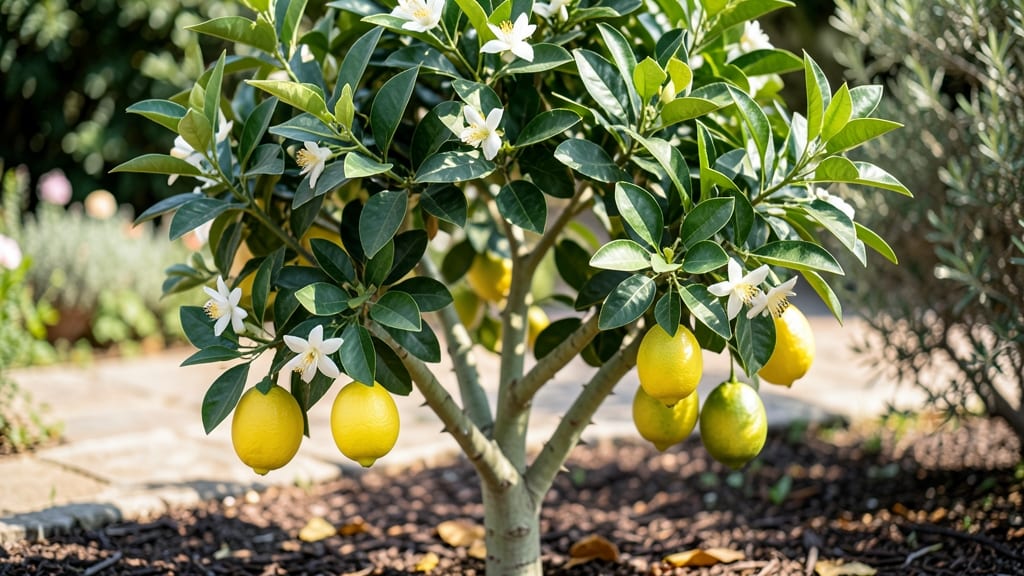
Citrus leaf identification starts with just three things: a flashlight, a magnifying glass, and a 10-minute commitment. 🌿 I've spent years comparing healthy lemon, lime, and orange leaves to diseased ones, and the differences become obvious once you know what to look for—especially those sneaky early signs of canker or greening.
The most reliable clues are leaf shape, vein patterns, and surface texture. A healthy lemon leaf has a glossy finish and jagged edges, while greening-infected leaves develop blotchy yellow mottling along the veins.
Citrus canker starts as tiny water-soaked spots that harden into crusty sores—easy to miss if you're not looking closely. Once you spot the issue, you'll know exactly what to do next: prune infected leaves immediately, sterilize tools between cuts, and treat with copper spray.
The key is acting before the disease spreads to the fruit. This method works for home groves, container trees, and even backyard citrus. Let's get those leaves under the light!
📚 In This Guide
- What you need
- Instructions
- Tips and common mistakes
- Wrapping up and next steps
What you need
- ● Healthy citrus leaves (fresh samples from your garden or a trusted source—aim for at least 5-10 leaves per variety for comparison).
- ● Magnifying glass (10x magnification recommended for spotting tiny details like mite trails or fungal spores).
- ● Ruler or measuring tape (for assessing leaf size and shape abnormalities).
- ● Notebook and pen (to log observations like leaf color, texture, and disease symptoms).
- ● Camera or smartphone (with a macro lens or zoom for high-resolution photos of symptoms).
- ● Pruning shears or scissors (sterilized with rubbing alcohol to avoid cross-contamination).
- ● Plastic bags or paper envelopes (for transporting leaves safely to a lab or reference guide, if needed).
- ● Field guide or citrus disease chart (printable or digital, like those from blank">Penn State Extension or blank">UCANR).
- ● Handheld UV light (blacklight) (reveals fungal infections or chemical residue under UV).
- ● pH test kit (to check soil pH, which can influence disease susceptibility).
- ● Moisture meter (for assessing leaf hydration levels, which may indicate stress-related issues).
- ● Reference specimens (healthy citrus leaves for direct comparison).
- ● Gloves (nitrile or latex to protect against sap or pathogens).
How to identify citrus leaf diseases in minutes
Here's the fast method I use to diagnose citrus leaf problems before they spread.
🌿 Step 1: Examine Leaf Color First
Start by comparing healthy leaves to suspect ones—healthy citrus leaves are glossy, bright green, and leathery. Look for yellowing (chlorosis) or brown spots as your first clues. Yellowing between veins often signals nutrient deficiencies like iron or zinc, while uniform yellowing may indicate overwatering or root issues. Hold the leaf up to light—you'll see vein patterns more clearly to spot discoloration.
I always check the undersides too—many fungal diseases start there as fuzzy white or black growth. If you see oily residue on leaves, that's scale insect activity, not a disease. Run your fingers along the leaf surface: rough or sticky textures are red flags for pests or fungal spores.
🌱 Step 2: Check for Physical Damage Patterns
Next, look for edge scorch (brown, crispy leaf edges) which usually means underwatering or salt buildup. Tiny holes or chewed edges indicate insect damage, while ragged brown patches suggest fungal leaf spot diseases. Hold the leaf at arm's length—you'll spot subtle patterns like concentric rings (a sign of citrus greasy spot) or black veins (possible melanose).
Flip the leaf over and shine a flashlight at it—you'll see spore clusters as tiny black dots or powdery growths that aren't visible in normal light. I keep a magnifying glass handy because some diseases show up as microscopic pustules only visible when magnified.
💧 Step 3: Test for Moisture Sensitivity
Gently press a suspect leaf—if it feels softer than normal, it may be infected with citrus canker or bacterial spot. Healthy leaves spring back when pressed. For fungal issues, check the leaf stems where they attach to branches—black streaks or oozing sap indicate advanced disease. I always test 3-4 leaves per tree since diseases often appear in clusters.
Look at the newest growth first—diseases usually attack tender leaves before moving to older ones. If you see stunted new shoots with deformed leaves, that's often a sign of viral infection or severe nutrient stress. Compare to a known healthy branch to spot differences.
✂️ Step 4: Confirm with Simple Tests
For suspected fungal diseases, place a suspect leaf in a ziplock bag with a damp paper towel for 24 hours. If white or black fuzzy growth appears, that confirms fungal spores. I keep a small spray bottle of 70% isopropyl alcohol to wipe leaf surfaces—if you see black streaks after wiping, that's likely sooty mold from sap-sucking insects.
For bacterial issues, check for water-soaked spots that may ooze when pressed. I always test by placing a leaf in a cup of water—if it sinks immediately, it's likely diseased. Healthy citrus leaves float for several minutes. Take photos of symptoms from multiple angles—you'll need these for accurate diagnosis later.
🪴 Step 5: Record and Compare Findings
Note the location of symptoms (top of tree vs. lower branches), leaf age affected, and any weather patterns before symptoms appeared. I keep a small notebook with my phone to snap quick photos—comparing progression over days helps identify diseases faster. Pay attention to seasonal timing too: fungal issues often flare in humid summer months.
Here's the thing—some symptoms overlap between diseases. If you see yellowing plus black spots with raised edges, that's almost certainly citrus canker. But if it's just yellowing without spots, it could be nutrient deficiency or root rot. When in doubt, I consult my local extension service with photos—they can confirm in minutes what takes me hours to research.
Tips & tricks for quick citrus leaf disease diagnosis
These pro techniques will help you spot citrus leaf problems faster than ever—no lab needed.
Lighting is Everything: Natural daylight is your best friend for leaf inspection. Early morning or late afternoon light reduces shadows and makes subtle discoloration easier to spot. I keep a small LED magnifying lamp handy for close-ups—it reveals details you'd miss with the naked eye. If you're indoors, position your light source directly behind the leaf to enhance contrast between healthy and diseased areas.
Seasonal Timing Matters: Most fungal diseases appear during warm, humid months (spring through fall), while bacterial issues often spike after rainy periods. I check my trees weekly during these seasons, focusing on new growth first. If you notice symptoms in winter, it's more likely to be a nutrient deficiency or environmental stress rather than a disease.
The 24-Hour Test Hack: That damp paper towel test in Step 4 is a game-changer—it's the only way to confirm fungal spores at home. I always do this test on suspicious leaves before taking any action. Pro tip: Use a clear ziplock bag so you can see the growth developing over time without opening it. If you're in a hurry, check for spores after just 12 hours instead of 24—they'll still show up if present.
Compare with Healthy Leaves: Always examine a known healthy leaf alongside suspect ones. The contrast makes subtle symptoms immediately obvious. I keep a small reference photo of healthy citrus leaves on my phone to compare against new growth. This simple habit saves me from misdiagnosing environmental stress as disease.
Pro Tips for Citrus Leaf Identification
- These pro techniques will help you spot citrus leaf problems faster than ever—no lab needed.
- Lighting is Everything: Natural daylight is your best friend for leaf inspection.
- Seasonal Timing Matters: Most fungal diseases appear during warm, humid months (spring through fall), while bacterial issues often spike after rainy periods.
Frequently asked questions
Got questions about citrus leaf identification? You’re not alone—citrus trees can be tricky to diagnose, especially when pests and diseases strike. Here are some of the most common questions (and answers!) to help you spot issues fast and keep your trees healthy.
How do I tell the difference between citrus leaf miner damage and greasy spot disease?
Citrus leaf miners leave serpentine trails and blistered, white, worm-like tunnels on leaves, while greasy spot causes small, greasy-looking brown spots with yellow halos. Miner damage is usually on the leaf’s surface; greasy spot spreads across the entire leaf. Check the undersides of leaves for tiny white larvae (miners) or fungal spores (greasy spot).
When is the best time of year to check my citrus leaves for diseases?
The ideal times are early spring (before new growth) and late summer (after harvest). Warm, humid conditions in summer accelerate fungal growth, while spring lets you catch early signs before they spread. Pro tip: Inspect leaves weekly during peak citrus pest seasons (spring and fall) to catch issues early!
Can I use the same treatment for all citrus leaf diseases?
Nope! Citrus canker needs copper-based sprays, greasy spot responds to fungicides like chlorothalonil, and leaf miners require insecticidal soap or neem oil. Always match the treatment to the symptom—mixing remedies can harm your tree or reduce effectiveness. When in doubt, consult a local extension office for a diagnosis.
What should I do if my citrus leaves have holes but no visible pests?
Holes without pests could signal scale insects (check stems/trunk for cottony clusters), aphids (tiny green/black bugs), or even bird/rodent damage. Start by shaking leaves over white paper—if you spot tiny critters, use insecticidal soap. If not, inspect for fungal infections (like anthracnose) and treat with a broad-spectrum fungicide.
Are there any natural remedies to prevent citrus leaf diseases?
Neem oil (fungicidal + insecticidal), baking soda spray (1 tsp baking soda + 1 quart water + a drop of soap), and compost tea (boosts plant immunity) are great preventatives. Prune regularly to improve airflow, and mulch with straw to reduce soil-borne pathogens. Consistency is key—apply remedies every 2–4 weeks during high-risk seasons.
Wrapping up and next steps
Mastering citrus leaf identification is your first line of defense against pests and diseases—because early detection means healthier trees and sweeter harvests! 🌿 Whether you’re a seasoned gardener or just starting, recognizing signs like yellowing, spots, or unusual growth patterns puts you ahead of the game.
Now that you’re armed with the knowledge, take action: grab your magnifying glass, inspect your citrus grove regularly, and tackle issues before they spread. Your trees will thank you!
🔹 Next step: Bookmark this guide, then share it with fellow citrus lovers to help the whole community grow stronger!