
Pruning
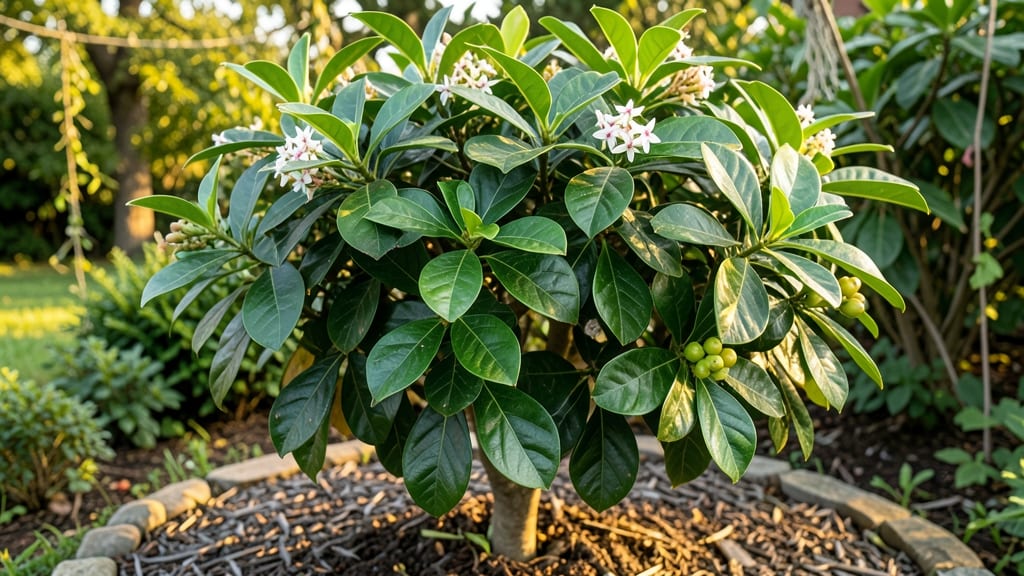
Mastering curry leaf tree care means fresh, fragrant leaves for cooking year-round—no grocery store needed. 🌿 The secret to its success? Mimicking its natural tropical habitat with just a few key adjustments, whether you're growing it in pots or the ground.
This evergreen shrub thrives in bright, indirect light and well-draining soil that stays slightly moist but never soggy. Unlike fussy plants, it adapts well to containers, making it perfect for patios or kitchens. Pruning is minimal—just shape it once a year to encourage bushier growth and easier leaf harvesting.
You’ll harvest tender leaves within 6-12 months, and the plant keeps producing for decades with proper care. The aroma alone makes it worth the effort, but the flavor? That’s the real reward.
Works indoors or outdoors in USDA zones 10-12, though container growers can bring it inside during winter. Let’s get yours thriving!
📚 In This Guide
- What you need
- Instructions
- Tips and common mistakes
- Wrapping up and next steps
What you need
- ● Potting Mix: Well-draining, slightly acidic soil (pH 6.0–7.5). Mix 2 parts garden soil, 1 part sand or perlite, and 1 part compost for optimal drainage.
- ● Curry Leaf Sapling or Cuttings: Healthy nursery-grown saplings (6–12 inches tall) or 4–6 inch cuttings from mature trees.
- ● Fertilizer: Balanced organic fertilizer (e.g., 10-10-10 NPK) or compost tea. Apply every 2–3 months during growing seasons.
- ● Watering Can or Hose: With a gentle spray nozzle for hydration without damaging leaves.
- ● Pruning Shears: Sharp, bypass-type shears (for small branches, <1 inch thick).
- ● Pruning Saw: For thicker branches (1–2 inches). Opt for a curved blade for cleaner cuts.
- ● Gloves: Heavy-duty gardening gloves to protect against thorns and sap.
- ○ Disinfectant: 70% isopropyl alcohol or a pruning sealant (optional but recommended to prevent disease).
- ● Mulch: Organic mulch (e.g., straw or wood chips) to retain moisture and regulate soil temperature.
- ● Support Stakes: For young trees (3–4 feet tall) to prevent toppling in windy conditions.
- ● Drip Irrigation System: Automates watering for consistent moisture.
- ● Humidity Tray: A shallow tray with pebbles and water to boost humidity in dry climates.
- ● Plant Food Spikes: Slow-release fertilizers for low-maintenance nutrition.
Step-by-step guide to cultivating a thriving curry leaf tree
Here’s how to nurture this fragrant, fast-growing tree—no green thumb required.
🌱 Step 1: Select the Right Location for Planting
Curry leaf trees (Murraya koenigii) crave full sun—at least 6-8 hours daily—so choose a spot with southern or western exposure. I always test the site first by observing how much direct sunlight it gets over a week. If your yard has dappled shade, pick the sunniest corner available.
Well-draining soil is non-negotiable. These trees despise soggy roots, so amend heavy clay with 3-4 inches of compost or a 50/50 mix of garden soil and coarse sand. Dig a hole twice as wide as the root ball but no deeper—planting too low suffocates the roots and invites rot.
☀️ Step 2: Establish Watering and Light Routines
Water deeply 2-3 times weekly during the first year, ensuring the top 6 inches of soil stay moist but not waterlogged. You’ll know it’s right when water drains freely from the bottom of the pot or soil. After the first year, reduce to once weekly—curry leaf trees are surprisingly drought-tolerant once established.
If your tree starts dropping leaves, it’s usually a light signal. Move it to a sunnier spot immediately—leggy growth or pale leaves mean it’s stretching for more light. A grow light works in a pinch, but natural sunlight yields the best flavor and fragrance.
✂️ Step 3: Prune Strategically for Shape and Health
Pruning isn’t just about aesthetics—it’s about encouraging dense, leafy growth. I trim once in late winter (just before new shoots appear) and again in early summer after the monsoon season. Always use sterilized pruning shears to avoid spreading disease.
Cut back overly long branches to half their length, focusing on the outer edges to maintain an open, airy shape. Never remove more than 25% of the foliage at once—this tree recovers slowly from heavy pruning. Collect the clippings and compost them; the leaves are just as aromatic as the mature ones!
🪴 Step 4: Fertilize for Vigorous Growth
Feed your curry leaf tree twice yearly—once in early spring (March) and again in mid-monsoon (July). I use a balanced 10-10-10 fertilizer applied at half-strength to avoid burning the roots. Spread the granules 3 inches away from the trunk and water deeply afterward to activate them.
Yellowing leaves? That’s your cue to switch to an iron supplement—curry leaf trees are prone to chlorosis in alkaline soils. A chelated iron spray applied every 4-6 weeks during growing season restores the green in no time. Stop fertilizing in fall and winter—the tree enters dormancy and doesn’t need extra nutrients.
⏰ Step 5: Protect Against Pests and Seasonal Shifts
Watch for aphids or scale insects, which love the sap of young leaves. I spray a soapy water solution (1 tsp mild dish soap per quart of water) on the undersides of leaves weekly during spring and summer. For severe infestations, neem oil works like a charm—just mix 1 tbsp per gallon of water and spray at dusk.
In winter, reduce watering to once every 10-14 days unless your region experiences frost. Curry leaf trees are tender perennials—they’ll drop leaves if temperatures dip below 50°F, but they bounce back once warmth returns. If you live in a cold climate, potted trees can be moved indoors near a sunny window during winter months.
Tips & tricks for perfect curry leaf tree cultivation
Here’s what nobody tells you about keeping your curry leaf tree thriving with minimal fuss—these are the details that separate a struggling sapling from a flourishing kitchen staple.
Location is Everything: That 6-8 hours of full sun isn’t just a suggestion—it’s non-negotiable for flavor and growth. I’ve seen curry leaf trees in partial shade grow leggy and weak, while those in full sun develop intense fragrance and dense foliage. If your yard has limited sun, consider a south-facing window or supplement with a grow light during winter months when daylight shortens. The key is replicating the bright, tropical conditions these trees evolved in.
Soil Science Matters: The 3-4 inches of compost or 50/50 soil-sand mix isn’t just about drainage—it’s about creating the perfect air-to-water ratio around roots. I’ve learned the hard way that compacted soil leads to root rot. Test your soil’s drainage by digging a hole, filling it with water, and timing how long it takes to drain. If it’s still wet after 6 hours, amend more sand or perlite. Pro tip: Add a handful of biochar to the planting hole for extra microbial activity that boosts nutrient uptake.
Pruning Precision: When you’re cutting back those overly long branches to half their length, focus on the outer edges to maintain that open, airy structure. I always prune just above a leaf node where new growth will emerge. And here’s a secret: The 25% foliage rule is flexible if you’re pruning for pest control or safety—just space out heavy pruning sessions by at least 3 months to avoid stressing the tree. Those composted clippings? They’re packed with flavor—use them in curries or teas for an authentic touch.
Seasonal Strategy: The twice-yearly feeding schedule in spring and mid-monsoon aligns perfectly with the tree’s natural growth cycles. But here’s what I’ve discovered: In regions with hot summers, add a third feeding in late summer to support the intense growth phase. For the chelated iron spray, I’ve found that applying it in the early morning prevents leaf burn from the sun’s intensity. And remember—fall and winter dormancy means zero fertilizing, but you can still give the soil a light mulch to protect roots from temperature swings.
Pro Tips for Curry Leaf Tree Care
- Here’s what nobody tells you about keeping your curry leaf tree thriving with minimal fuss—these are the details that separate a struggling sapling from a flourishing kitchen staple.
- Location is Everything: That 6-8 hours of full sun isn’t just a suggestion—it’s non-negotiable for flavor and growth.
- Soil Science Matters: The 3-4 inches of compost or 50/50 soil-sand mix isn’t just about drainage—it’s about creating the perfect air-to-water ratio around roots.
Frequently asked questions
Got questions about keeping your curry leaf tree thriving? You’re not alone! Here are answers to the most common concerns—from pruning tips to troubleshooting—so you can grow a lush, productive tree with confidence.
How often should I prune my curry leaf tree?
Prune your curry leaf tree lightly 2–3 times a year: once after harvest (spring/summer), again in late summer for shape, and a final light trim in winter to remove dead branches. Avoid heavy pruning—this tree blooms on old wood! Focus on airflow and sunlight exposure to prevent disease.
Can curry leaf trees survive winter frost?
Curry leaf trees (Murraya koenigii) are tropical/subtropical and struggle in frost below 25°F (-4°C). If you live in colder zones, grow it in containers and move it indoors or to a greenhouse during winter. Use mulch to insulate outdoor plants, but expect leaf drop if temps dip too low.
How do I harvest curry leaves without harming the tree?
Pick leaves sparingly—never take more than 1/3 of the foliage at a time. Use clean scissors or your fingers to pluck young, tender leaves (they’re more flavorful!). Avoid stripping branches bare, as this stresses the tree. Harvest in the morning for the strongest aroma and nutrients.
Why are my curry leaf tree’s leaves turning yellow?
Yellowing leaves usually signal overwatering, nutrient deficiency (like iron or nitrogen), or pests (e.g., aphids or mites). Check soil moisture—curry trees hate soggy roots. Feed with a balanced fertilizer (20-20-20) every 2–3 months. For pests, spray with neem oil or insecticidal soap.
Can I grow a curry leaf tree from cuttings?
Take 4–6 inch semi-hardwood cuttings in spring/summer, dip the base in rooting hormone, and plant in moist perlite/sand mix. Keep humidity high (use a plastic bag) and place in bright, indirect light. Roots should form in 4–8 weeks. This is cheaper than buying saplings!
Are there curry leaf tree alternatives for colder climates?
If your climate is too harsh for curry leaf trees, try these flavorful substitutes:
- Bay leaves (Laurus nobilis): Hardy to 10°F (-12°C), but less aromatic.
- Lemongrass (Cymbopogon citratus): Grows in zones 9–11; use stems in curries.
- Ginger (Zingiber officinale): Adds warmth to dishes; thrives in containers.
Wrapping up and next steps
Caring for a curry leaf tree is a rewarding journey that brings fragrant greenery and culinary benefits to your space—with minimal effort! 🌿 From well-draining soil to strategic pruning and pest vigilance, these trees thrive when given the right love.
Whether you’re a seasoned gardener or a beginner, the key is consistency and patience.
Now that you’re armed with expert tips, why not take the next step? Start by inspecting your tree this week, trim any overgrowth, and watch it flourish year-round. Happy growing! 🌱