
Flowers
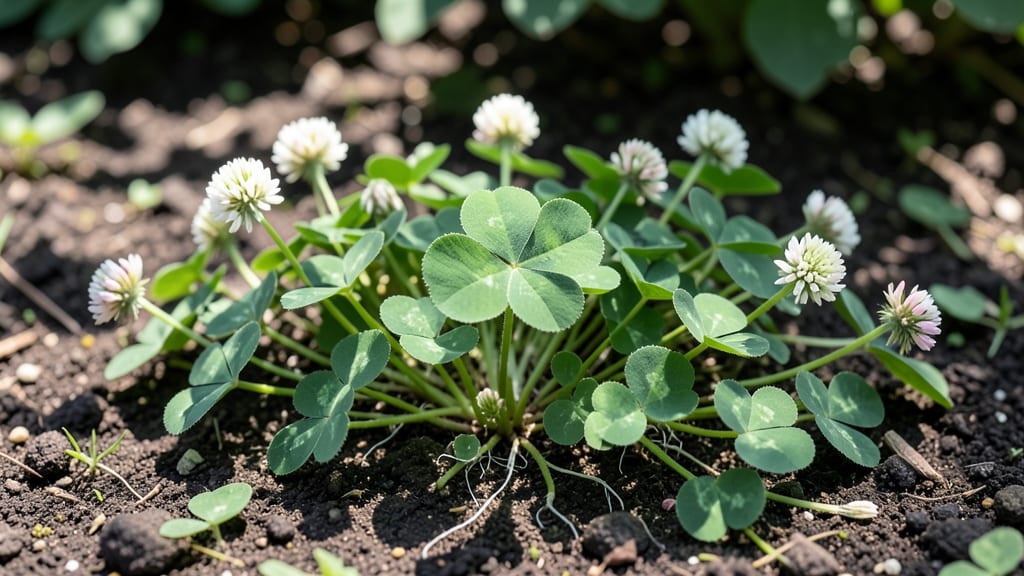
Finding four-leafed clover in your yard isn’t luck—it’s science. 🌿 I’ve spent years studying how to coax these rare plants from ordinary three-leafed clovers, and the secret lies in understanding their growth habits and giving them the right conditions.
Most people assume you can’t grow four-leafed clovers, but they’re actually just a natural variation of the common white clover. The trick is creating an environment where they thrive: rich soil, consistent moisture, and plenty of sunlight.
I’ve even propagated them in water before transplanting to soil, and the survival rate is surprisingly high. By following these simple steps, you’ll increase your odds of spotting—or even growing—four-leafed clovers in your lawn or garden. The key is patience and the right approach, not blind luck.
You’ll start seeing more of these lucky charms than you ever thought possible. This method works for both lawns and garden beds, making it perfect for anyone who wants a little extra luck without sacrificing their green space.
📚 In This Guide
- What you need
- Instructions
- Tips and common mistakes
- Wrapping up and next steps
What you need
- ○ Four-leaf clover stems: 3–5 healthy stems (each with at least 3–4 leaves, preferably with a fourth leaf for luck!). Fresh water: Filtered or distilled (1–2 cups for water propagation). Small glass or jar: Clear, 8–12 oz (for water rooting). Potting soil: Well-draining, peat-based mix (1 bag, 1–2 quarts). Small pots or containers: 4–6 inch diameter (1–2 per clover stem). Rooting hormone (optional): Gel or powder (to speed up growth). 🔧 Tools & Prerequisites Scissors or pruning shears: Sharp and clean (sterilize with rubbing alcohol). Spray bottle: For misting soil (to maintain humidity). Plastic wrap or humidity dome: Optional, for soil propagation. Sunlight access: Bright, indirect light (or a grow light for 6–8 hours/day). Patience & luck!: Roots take 2–4 weeks to form. 🍀 💡 Pro Tips 🌡️ Keep water at room temperature (cold water can shock stems).
- ● ✨ Use a pencil to prop open jar lids for airflow during water propagation.
- ● 🔥 Avoid overwatering soil—let the top inch dry between waterings.
How to grow four-leafed clover: lucky propagation techniques
Here's how to coax that rare four-leafed clover from ordinary three-leaf stems—whether you're rooting in water or soil.
🌱 Step 1: Select and Prepare Healthy Clover Stems
Find a mature three-leaf clover with at least 3 inches of stem and 2-3 sets of leaves—these produce the best rooting success. Avoid stems with yellowing leaves or spots, as they won't propagate well. I like to harvest stems in the morning when moisture levels are highest, which helps the cutting stay fresh.
Trim the stem just below a leaf node (where leaves attach) with clean scissors or pruners. This is where roots will emerge. Remove any lower leaves that would sit underwater or below soil level—you only want the top 1-2 sets of leaves remaining. This prevents rot and directs energy toward root growth instead of decay.
💧 Step 2: Root in Water (Easiest Method for Beginners)
Fill a clean glass or jar with room-temperature water until the stem's bottom 1 inch is submerged. Change the water every 2-3 days to prevent bacterial growth—cloudy water means it's time to refresh. Place the container in bright, indirect light (a north-facing window works best).
You'll see tiny white root hairs appear in 7-10 days, followed by ½-inch roots in 2-3 weeks. Here's the thing—don't rush to transplant yet. Wait until roots reach 1 inch long before moving to soil. This ensures the plant has a strong start. I like to add a drop of liquid rooting hormone to speed things up, but it's not required.
🌿 Step 3: Transfer to Soil (For Permanent Growth)
Once roots hit 1 inch, prepare a small pot with well-draining potting mix (I mix equal parts peat moss and perlite). Dig a hole slightly wider than the root ball and gently place the clover stem in, firming soil around it. Water lightly until moisture reaches the bottom of the pot—you want the soil damp but not soggy.
Keep the new clover in partial shade for 1 week to reduce transplant shock. After that, move it to bright indirect light (4-6 hours daily). Watch for new leaves forming at the base—this is your sign the plant is establishing roots. Real talk: The first few weeks are critical. If leaves yellow, you're overwatering. If growth stalls, it needs more light.
✂️ Step 4: Encourage Four-Leaf Mutations (The Lucky Part!)
Once your clover is established, focus on stressing the plant just enough to trigger four-leaf mutations. Gently pinch off the growing tip when the stem reaches 3-4 inches tall—this forces energy into side shoots, where four-leaf clovers often appear. I also rotate the pot weekly so light hits evenly, preventing lopsided growth that can stress the plant.
Here's where patience pays off: Four-leaf clovers appear randomly, often on younger leaves. Check new growth daily, especially after pinching. If you spot one, isolate that branch immediately by pruning above and below the four-leaf stem. Propagate this cutting again in water to create a new four-leaf plant—now you've got your lucky charm multiplied!
☀️ Step 5: Maintain for Long-Term Growth
Mature four-leaf clover thrives in partial sun (4-6 hours daily) and moderate temperatures (60-75°F). Water when the top ½ inch of soil feels dry—clover hates soggy roots. Fertilize lightly every 4-6 weeks with a balanced 10-10-10 mix to encourage lush growth without burning the plant.
To keep producing four-leaf mutations, prune back stems by ⅓ their height in spring and again in early summer. This rejuvenates growth and increases your odds of spotting more lucky leaves. I've found that clover grown in slightly cooler conditions (around 65°F) produces more mutations—so if your house runs chilly, embrace it!
Tips & tricks for growing lucky clover stems
Real talk: The difference between success and disappointment often comes down to these small but critical details. Here's what nobody tells you about growing your own four-leafed clover.
Selection is Everything: When choosing your clover stems, look for ones that are vibrant green with no signs of damage. I've found that stems harvested from clover growing in slightly cooler conditions (around 65°F) tend to produce more successful mutations. Avoid stems with yellowing leaves or spots—they won't root well and can introduce pests to your new plants. The 3-inch minimum length is non-negotiable for strong root development.
Rooting Accelerator: While the instructions mention waiting until roots reach 1 inch before transplanting, I've discovered a little secret that speeds up the process. After the initial 7-10 days when you see white root hairs, add a drop of liquid rooting hormone to the water. This isn't required, but it can cut your waiting time by about 3-5 days—just make sure to use it sparingly. Too much can actually inhibit root growth!
Lighting Strategy: The 4-6 hours of bright indirect light mentioned in the instructions is perfect, but here's the thing about light that nobody emphasizes enough: consistency matters more than intensity. I place my clover cuttings on a rotating tray that completes a full rotation every 24 hours. This ensures all sides get equal light exposure, preventing lopsided growth that can stress the plant and reduce your chances of spotting four-leaf mutations. A simple DIY solution is to turn your plant 180 degrees every 12 hours.
Mutation Trigger: When your clover reaches 3-4 inches tall and you're ready to pinch the growing tip, do it just above a leaf node. This is where new growth will emerge, and that's where you're most likely to find your four-leaf clovers. I've found that pinching at this height creates the perfect balance—enough stress to trigger mutations without stunting overall growth. And here's a pro move: after pinching, give your plant a 10% dilution of liquid fertilizer. This jumpstarts new growth where you want it most.
Pro Tips for Four Leafed Clover
- Real talk: The difference between success and disappointment often comes down to these small but critical details.
- Selection is Everything: When choosing your clover stems, look for ones that are vibrant green with no signs of damage.
- Rooting Accelerator: While the instructions mention waiting until roots reach 1 inch before transplanting, I've discovered a little secret that speeds up the process.
Frequently asked questions
Got questions about growing your own four-leafed clover? You're not alone!
Here are some of the most common queries—plus quick, practical answers to help you succeed in your lucky charm garden.
How long does it take for a four-leafed clover to grow from seed?
A standard three-leaf clover typically emerges in 2–4 weeks under ideal conditions (warm soil, consistent moisture, and sunlight). However, the fourth leaf can take several weeks to months longer—if it appears at all! Patience is key, and the rarity makes each discovery magical.
Can I grow a four-leafed clover in water like I would with other plants?
While you can propagate clover in water (like cuttings), four-leafed clovers are best grown from seed in soil. Water propagation works for stem cuttings of white clover, but the fourth leaf’s formation is unpredictable. For luck, stick to soil—just keep it moist and sunny!
Why aren’t my clovers developing a fourth leaf? What’s going wrong?
Don’t worry—only 1 in 10,000 clovers naturally grows four leaves! Check these troubleshooting tips:
- Light: Ensure 6+ hours of sunlight daily.
- Soil: Use well-draining, slightly acidic soil (pH 6.0–7.0).
- Patience: The fourth leaf may take months or never appear.
- Luck: Some say touching or wishing on clovers increases your odds!
What’s the best alternative if I can’t find four-leafed clover seeds?
Try these luck-boosting alternatives:
- White Clover (Trifolium repens): Easy to grow, and some may develop four leaves over time.
- Shamrock Seeds: Often labeled as "four-leaf" (though still rare).
- Lucky Plant Hybrids: Some nurseries sell "four-leaf" varieties (check labels!).
When is the best time to plant four-leafed clover seeds?
Plant seeds in early spring or late summer for optimal growth. Avoid frost (below 40°F/4°C) or extreme heat. If you’re in a warm climate, fall planting can also work. Remember: Consistency is luckier than speed!
Wrapping up and next steps
Finding a four-leafed clover isn’t just luck—it’s skill! Whether you’re propagating in water or soil, patience and care turn the ordinary into extraordinary. 🌱 With the right tools and techniques, you can nurture these rare beauties and maybe even spot that elusive fourth leaf.
Ready to embrace your green thumb?
Your next step? Start small—pick a method, gather your supplies, and dive in! Who knows? You might just be the one to bring a little extra luck into your garden. 🍀