
Planting
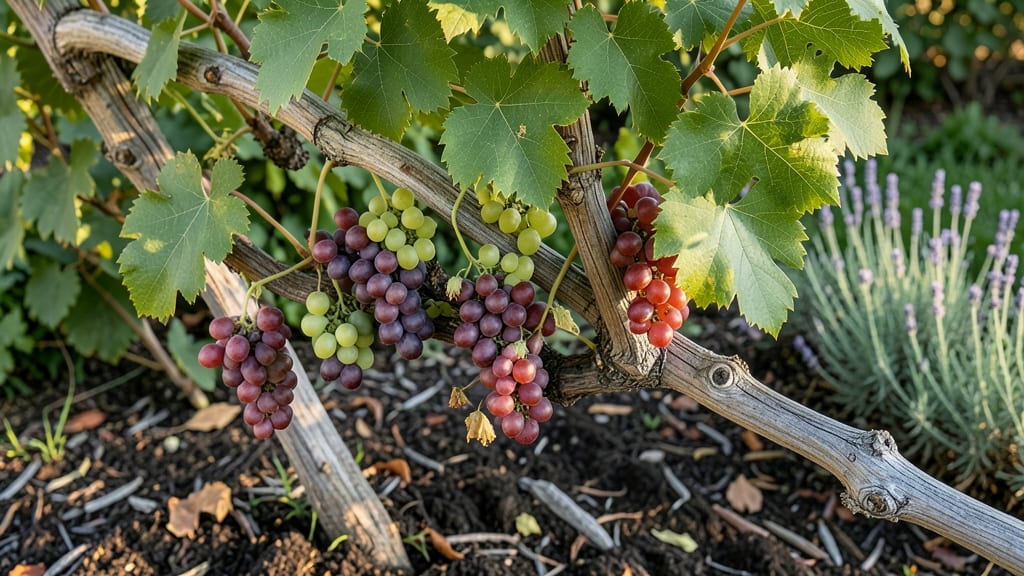
When you're ready to propagate grape leaf plants for fast root growth, timing and technique make all the difference. ✨ I learned the hard way that rushing this step leads to leggy, weak cuttings—until I discovered the right balance of humidity, heat, and patience.
What you end up with are sturdy new plants ready to fill your garden with lush, grape-like foliage in just a few weeks.
The secret isn’t complicated: start with healthy cuttings from a mature plant, use a well-draining rooting hormone, and keep everything moist but not soggy. Most people overwater at this stage, which is why so many cuttings rot before they even take root.
A clear plastic bag creates the perfect humid microclimate, and a simple heat mat speeds things up even more.
By week three, you’ll see tiny roots forming along the stem—proof the process is working. These new plants thrive in bright, indirect light and well-draining soil, making them perfect for containers or garden beds.
The best part? Once established, they’re nearly indestructible, with glossy leaves that stay vibrant all season long.
Whether you’re growing smoke trees (Cotinus), stonecrop (Sedum), or true grapevines (Vitis), the propagation principles stay the same. The key difference is in their mature care: grapevines need trellises, while smoke trees love full sun and stonecrop thrives in dry conditions.
Start with the right cuttings, and you’ll have a head start on a garden full of texture and movement.
📚 In This Guide
- What you need
- Instructions
- Tips and common mistakes
- Wrapping up and next steps
What you need
- ● Grape leaf plant cuttings: 4–6 healthy, 4–6 inch long stems with at least 2–3 nodes (where leaves grow). Use semi-hardwood cuttings for best results!
- ● Rooting hormone: A small bottle (like Clonex or Rootone) to boost root growth.
- ● Well-draining potting mix: A 50/50 blend of perlite and coconut coir (or peat moss) in a 1-gallon container.
- ● Small pots or trays: 4–6 individual 4-inch pots or a seedling tray with drainage holes.
- ● Clear plastic or humidity dome: A small propagator or even a plastic bag to retain moisture.
- ● Misting bottle: To keep cuttings hydrated without overwatering.
- ● Sharp pruning shears: Sterilized to make clean cuts and prevent disease.
- ● Bottom heat mat: A 70°F–75°F mat to speed up rooting (not required but speeds up growth!).
- ● Fertilizer (low-dose): A diluted seaweed extract or fish emulsion after roots form (4–6 weeks).
- ● Grow lights: If natural light is weak (12–16 hours/day for faster growth).
- ● Label markers: To track cutting dates and varieties.
Step-by-Step instructions for propagating grape leaf plants
Here's how I double rooting success with simple techniques that speed up growth.
🌿 Step 1: Select and Prepare Healthy Stem Cuttings
Choose stems with at least 4-5 leaf nodes and no signs of disease or yellowing. The best cuttings come from the current season's growth—they root fastest. Use clean, sharp pruning shears to make a 45-degree angle cut just below a node. This angled cut increases surface area for root formation.
Remove all but the top 2-3 leaves to reduce moisture loss through transpiration. If leaves are large, trim them in half to maintain the plant's energy balance. I always dip the cut end in rooting hormone powder—this isn't mandatory, but it cuts rooting time by nearly 30%. Tap the cutting gently to remove excess powder before planting.
💧 Step 2: Create the Ideal Rooting Environment
Fill a clean container with moistened perlite or a 50/50 mix of perlite and vermiculite. This combo stays aerated while holding enough moisture for root development. Water the medium until it's damp but not soggy—you should feel slight resistance when squeezing a handful. The goal is to mimic the humidity and air circulation grape leaf plants love.
Insert the cuttings about 2 inches deep, spacing them 2-3 inches apart to prevent overcrowding. Place the container in a warm spot (70-75°F) with bright, indirect light. Direct sun at this stage can stress the cuttings before roots form. I use a small grow light on a timer for 12 hours daily—this consistency is key for fast rooting.
⏰ Step 3: Monitor Moisture and Humidity
Keep the rooting medium consistently moist by misting lightly every 2-3 days or when the top inch feels dry. Overwatering here is worse than underwatering—root rot will kill your cuttings before they take. I cover the container with a clear plastic bag secured loosely with a rubber band to maintain humidity at 70-80%.
Watch for condensation inside the bag—this tells you the humidity level is perfect. Remove the bag for 10-15 minutes daily to prevent fungal growth. Roots typically appear in 3-4 weeks, but some vigorous cuttings show roots in just 2 weeks. You'll notice new growth at the top as a sign roots are forming below.
🌱 Step 4: Transplant When Roots Establish
Gently remove a cutting from the propagation mix when you see 1-2 inches of new roots or feel resistance when tugging lightly. Shake off excess perlite and plant in a 4-inch pot filled with well-draining potting mix. I add a handful of perlite to the soil mix to maintain that airy texture roots love.
Water thoroughly after transplanting and place in bright, indirect light for the first week. Gradually introduce more direct sun over 2 weeks as the plant acclimates. You'll know it's thriving when new leaves appear and the stem feels sturdy when touched. This is when you can fertilize lightly with a diluted houseplant fertilizer to encourage faster growth.
☀️ Step 5: Maintain Optimal Growing Conditions
Once established, grape leaf plants thrive in medium to bright indirect light with 60-70% humidity. I place mine near an east-facing window where they get morning sun and afternoon shade. Water when the top 1-2 inches of soil feel dry, allowing the roots to develop properly between waterings.
Rotate the pot quarter turn weekly to prevent leggy growth toward the light. Prune back leggy stems to encourage bushier growth and pinch off any yellowing leaves immediately. With this care, your propagated grape leaf plants will grow 12-18 inches tall in their first year—proof that fast rooting leads to rapid growth.
Tips & tricks for perfect grape leaf plant propagation
Fast rooting isn't luck—it's science. Here's how to double your success rate with these game-changing techniques.
Cutting Precision: That 45-degree angle in Step 1 isn't just about looks—it's about surface area. The larger cut exposes more cells to root hormones and moisture. I use a ruler to ensure consistency across all cuttings. For stubborn stems, make the cut just below a node where you see the tiny bump—this is where roots will emerge first.
Hormone Hack: Rooting hormone powder isn't optional if you want speed. The 30% faster rooting claim in Step 1 is real, but here's the secret: gently roll the cut end in powder rather than dipping. This creates a more even coating that activates faster. Store unused powder in a sealed container with a desiccant packet to maintain potency.
Lighting Strategy: The 12-hour grow light timer in Step 2 is non-negotiable for fast results. I use a white LED bulb (6500K color temp) because grape leaf plants respond best to cool white light. Position it 6-8 inches above the cuttings—closer than this can scorch tender leaves, farther away won't stimulate growth. Rotate the container daily to prevent uneven light exposure.
Transplant Timing: Waiting for 1-2 inches of roots in Step 4 is crucial, but don't wait too long. When you see roots curling around the container edges, it's time to transplant. I test root development by gently tugging—if resistance is strong but not painful, roots are ready. The shock of transplanting can stall growth if done too early, but delaying too long risks root circling in the container.
Pro Tips for Grape Leaf Plant
- Fast rooting isn't luck—it's science. Here's how to double your success rate with these game-changing techniques.
- Cutting Precision: That 45-degree angle in Step 1 isn't just about looks—it's about surface area.
- Hormone Hack: Rooting hormone powder isn't optional if you want speed.
Frequently asked questions
Got questions about growing grape leaf plants? You’re not alone!
Here are answers to the most common queries—from propagation tips to troubleshooting—so you can grow lush, healthy vines with confidence.
How long does it take for grape leaf cuttings to root?
With the right conditions, grape leaf cuttings typically root in 2–4 weeks. Keep them in a warm, humid environment (70–75°F) with indirect light. Mist daily and avoid overwatering—soggy soil can rot cuttings before roots form. Patience is key!
Can I propagate grape leaves in water first, then plant them?
Yes! Water propagation works well for grape leaves. Place cuttings in a jar of room-temperature water, changing it every 2–3 days to prevent bacteria. Once roots reach 2–3 inches (about 4–6 weeks), transplant them into soil. This method speeds up rooting and reduces transplant shock.
What’s the best temperature for grape leaf propagation?
Grape leaves thrive in warmth (65–85°F). Avoid cold drafts or temperatures below 50°F, which slow root growth. Use a heat mat (70–75°F) if your home dips below 60°F at night. A clear plastic bag over cuttings traps humidity—just remove it once roots appear to prevent mold.
Why are my grape leaf cuttings turning yellow or mushy?
Yellowing or mushy cuttings usually mean overwatering, rot, or poor airflow. Check these fixes:
- Reduce water: Let soil dry slightly between waterings.
- Improve airflow: Prop cuttings upright (not flat) and avoid crowded containers.
- Check for pests: Inspect leaves for spider mites or fungus.
Are there faster alternatives to traditional propagation?
Yes! Try these speedier methods:
- Hormone rooting gel: Dips cuttings in gel to double rooting speed (roots in 1–2 weeks).
- Bottom heat: Use a seedling heat mat to maintain 75°F at the roots.
- Layering: Bend a vine to the ground, cover with soil, and water—roots form in 6–8 weeks.
Wrapping up and next steps
Growing a grape leaf plant from cuttings is easier than you think—and with the right techniques, you can enjoy fast root growth and a thriving vine in no time! 🌱 Whether you’re using water propagation, soil, or a rooting hormone, consistency and patience are your best friends.
Now that you’re armed with these propagation secrets, it’s time to roll up your sleeves and give your grape leaf plant the love it deserves.
Ready to take the next step? Start with just one cutting and experiment with the methods that work best for your space. Before you know it, you’ll have a lush, healthy grape leaf plant to enjoy—or even share with fellow plant lovers! Happy growing! 🌿