
Pests and Diseases
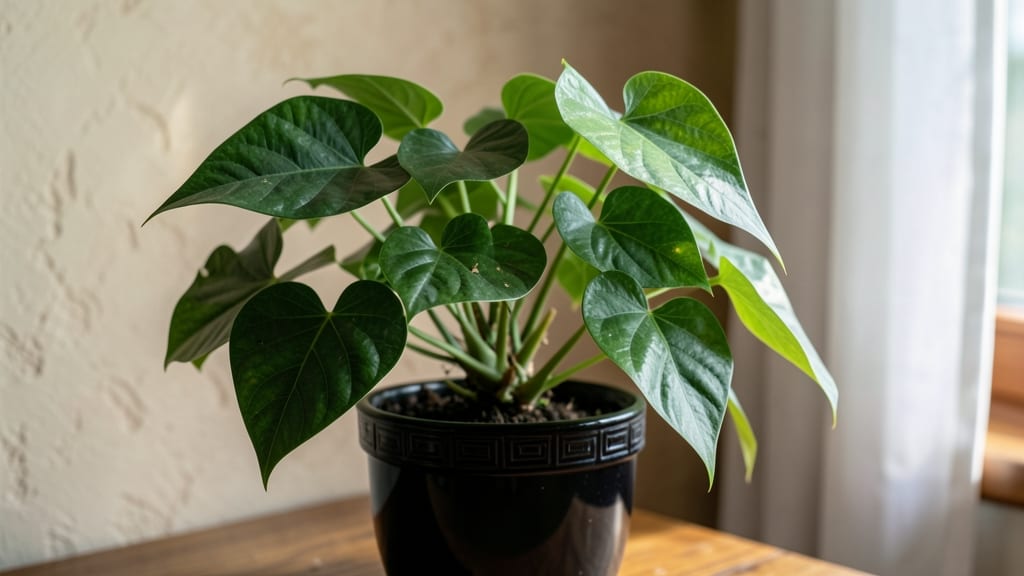
Finding the perfect heart shape leaf name for your garden is like discovering a secret language—each plant tells a story. 🌿 These velvety, glossy, or silvery leaves add drama year-round, whether you're designing a shady border or a sun-drenched container.
Heuchera, Coleus, and Caladium aren’t just fillers; they’re the stars of the show, their deep purples, fiery oranges, and lush greens creating visual poetry in any space.
I’ve designed countless gardens where these plants steal the show—especially in spots where flowers can’t compete. Heuchera thrives in shade, its coppery leaves glowing like embers, while Coleus bursts with tropical vibrancy in full sun.
Pair a deep burgundy Caladium with silver-leaved dusty miller for a moody, high-contrast statement that feels like a living painting. The best part? They’re low-maintenance once planted.
Your garden borders or containers will transform into a textured masterpiece with just a few strategic placements.
Imagine a silver Heuchera spilling over a pot’s edge, framed by chartreuse Coleus—it’s the kind of detail that makes neighbors pause and ask, “What’s that?” (Spoiler: It’s the plant that makes your garden unforgettable.)
For a foolproof start, mix three shades in one container—cool, warm, and bright—for instant impact. These plants handle partial shade to full sun, so they adapt to almost any spot. Let’s turn your garden into a foliage gallery where every leaf has a story to tell.
Behind The Leaf’s Love Symbol
Heart-shaped leaves—those lush, romantic-looking foliage gems—can turn into a gardener’s nightmare when they start deforming, yellowing, or dropping prematurely. But why does this happen? The answer often lies in a mix of environmental stressors, pest invasions, and plant health issues.
Let’s break down the science behind the most common culprits so you can diagnose—and fix—the problem before it spreads.
Heart-shaped leaves, like those of Heuchera (commonly called coral bells) or Coleus, thrive in moderate climates. When temperatures swing too drastically—whether from sudden heatwaves or late-season frosts—the plant’s metabolic processes go haywire.
- How it happens: Rapid temperature changes disrupt photosynthesis and transpiration (the plant’s way of "sweating" to regulate heat). Cells in the leaf edges or veins may plasmolyze (lose water and shrink), causing curling or scorch marks.
- Science deep dive: The enzyme rubisco, which helps convert CO₂ into energy, becomes less efficient in extreme heat. Meanwhile, cold snaps can freeze water in leaf tissues, leading to ice crystal formation that ruptures cell walls.
- Actionable fix:
- 🌿 Mulch heavily (3–4 inches of organic mulch) to insulate roots and stabilize soil temps.
- 💦 Water deeply in the late afternoon to cool leaves naturally (evaporative cooling).
- ❄️ Use frost cloths in fall/winter for tender varieties like Coleus.
Heart-shaped leaves are a buffet for pests like aphids, spider mites, and Japanese beetles. These critters don’t just nibble—they inject toxins, sap nutrients, and leave behind a trail of damage that mimics disease.
| Pest | Damage Signs | Why It Happens |
|---|---|---|
| Spider Mites | ✔️ Yellow stippling (tiny white/yellow dots) ✔️ Silky webbing on undersides ✔️ Leaf edges curling inward | These microscopic pests pierce cells to suck sap, triggering a defense response that causes chlorosis (loss of green pigment). Their saliva also contains toxic enzymes that disrupt cell membranes. |
| Aphids | ✔️ Sticky honeydew residue ✔️ Crinkled, puckered leaves ✔️ Black sooty mold (fungus growing on honeydew) | Aphids inject salivary proteins that alter plant hormones, causing abnormal growth (like heart-shaped leaves twisting into galls). Their feeding also blocks stomata (leaf pores), reducing gas exchange. |
| Japanese Beetles | ✔️ Large, irregular holes ✔️ Skeletonized leaves (veins remain) ✔️ Wilting despite adequate water | These beetles chew leaf tissue aggressively, severing vascular bundles that transport water and nutrients. The plant’s jasmonic acid defense response (which triggers leaf curling) can also be overactivated, leading to deformities. |
Actionable fix:
- 🕵️ Inspect leaves daily (especially undersides) with a magnifying glass.
- 💦 Blast pests off with water (aphids hate this!) or use neem oil (1 tsp per quart of water, spray every 5–7 days).
- 🐝 Encourage predators: Ladybugs, lacewings, and parasitic wasps love eating these pests.
Heart-shaped leaves are sensitive to water stress, whether from drought or soggy soil. Both extremes throw off the plant’s turgor pressure (the water pressure that keeps leaves plump and upright).
- Underwatering:
- Leaves lose turgor and wilt, often curling downward at the edges.
- Cells shrink unevenly, causing a "crinkled" look (like a dried-up heart shape).
- Permanent damage occurs when 50% of leaf cells lose water.
- Overwatering:
- Roots suffocate from lack of oxygen, triggering anaerobic respiration (which produces toxic ethanol).
- Leaves turn yellow between veins (a sign of iron deficiency, since roots can’t absorb nutrients).
- Fungal pathogens like Phytophthora thrive in waterlogged soil, causing leaf rot.
Actionable fix:
- 🌱 Test soil moisture by sticking your finger 2 inches deep—water if it’s dry.
- 🚰 Use well-draining soil (mix in perlite or sand for heart-shaped plants like Heuchera).
- 🌧️ Avoid overhead watering; use drip irrigation or soaker hoses to keep foliage dry.
Pathogens like powdery mildew, bacterial leaf spot, and root rot can turn vibrant heart-shaped leaves into a sad, splotchy mess. These infections exploit weak spots—often caused by stress from the factors above.
| Disease | Symptoms | Why It Happens |
|---|---|---|
| Powdery Mildew | ✔️ White, powdery coating (like flour dust) ✔️ Yellowing between veins ✔️ Leaves thicken and distort | A fungus (Erysiphe spp.) that thrives in humid, stagnant air. It penetrates the leaf cuticle and feeds on nutrients, triggering abscisic acid (a plant hormone that causes curling and stunted growth). |
| Bacterial Leaf Spot | ✔️ Water-soaked brown spots with yellow halos
✔️ Spots ooze when wet
✔
How to solve itWhen your heart-shaped leaves start telling a story of distress—whether through discoloration, holes, or wilting—don’t panic! These bold beauties (like Heuchera, Coleus, or Hosta) are tougher than they look. Below, we’ve mapped out practical fixes for common problems, paired with prevention tips to keep your garden thriving year-round. No chemicals required—just green thumbs and a little know-how. Cause: Heart-shaped leaves often scream for help when they’re either starving (nutrient deficiency) or drowning (overwatering). Yellowing edges or veins? Likely a micronutrient shortage (like iron or magnesium). Mushy leaves or yellowing between veins? Your plant’s roots are gasping for air. Fix It: 🔥 Step 1: Diagnose the Problem
🍳 Step 2: Adjust Watering
👨🍳 Step 3: Feed Your Plant
🌡️ Prevention Tips: ✅ Mulch well (2–3 inches of organic mulch) to retain moisture and regulate soil temp. ✅ Test your soil every 2–3 years. Amend with compost if nutrients are low. ✅ Water at the base, not overhead, to prevent fungal issues and evaporation. Cause: Slugs, snails, deer, rabbits, or Japanese beetles love munching on tender heart-shaped leaves. If your plants look like a Swiss cheese buffet, it’s time to call an intervention. Fix It: 🔪 Step 1: Identify the Culprit
👨🍳 Step 2: Manual & Organic Defense
🎯 Prevention Tips: ✅ Water in the morning so leaves dry quickly (slugs love dampness). ✅ Remove debris where pests hide (leaves, rocks, boards). ✅ Encourage predators: Ladybugs and birds eat beetles and caterpillars—plant dill or sunflowers to attract them. Cause: Heart-shaped leaves can fry from too much sun, wind, or salt buildup (if you’re near a road or use tap water with high minerals). Brown, crispy edges are their way of saying, “Too much heat, not enough love!” Fix It: ⏰ Step 1: Adjust Light & Airflow
💡 Step 2: Flush the Soil
🌡️ Prevention Tips: ✅ Group plants with similar needs to create a microclimate. ✅ Mulch heavily to protect roots from temperature swings. ✅ Avoid fertilizing in extreme heat—it burns roots. Before reaching for solutions, run through this quick checklist:
💪 Remember: Heart-shaped leaves are dramatic but resilient. A little troubleshooting goes a long way—your garden’s bold foliage will thank you with vibrant, healthy leaves all season long! 🌿✨ Frequently asked questions about heart-shaped leaves
1
Which plants have the most iconic heart-shaped leaves?The most popular heart-shaped leaf varieties include Hoya kerrii (the "sweetheart plant"), Heuchera (coral bells), Coleus blumei, and Caladium (elephant ears). For containers, try Fittonia (nerve plant) or Alternanthera—both offer striking foliage in compact forms.
2
Can I grow heart-shaped leaves indoors?Hoya kerrii thrives as a low-light houseplant, while Fittonia and Coleus adapt well to bright indirect light. Use well-draining pots with 20-30% perlite to prevent root rot. Rotate plants weekly for even growth—heart-shaped leaves grow toward light!
3
How do I pair heart-shaped leaves in garden designs?Create contrast by combining three shades: Try deep burgundy Caladium with silver Heuchera and chartreuse Coleus for a moody, high-impact look. For containers, layer trailing Fittonia with upright Hoya kerrii—the vertical and horizontal textures complement each other beautifully.
4
Why are my heart-shaped leaves curling or yellowing?Yellowing between veins usually signals iron deficiency (chlorosis), while curling often means underwatering or pest damage. Check soil moisture (should be damp but not soggy) and inspect leaves for aphids or spider mites. Apply chelated iron and neem oil spray for a quick fix.
5
Are heart-shaped leaves toxic to pets?Most heart-shaped foliage plants are non-toxic, but Caladium and Dieffenbachia (similar leaves) contain calcium oxalate crystals that can irritate pets if ingested. Keep these away from curious cats and dogs. For pet-safe options, choose Hoya kerrii or Fittonia. |