
Pests and Diseases
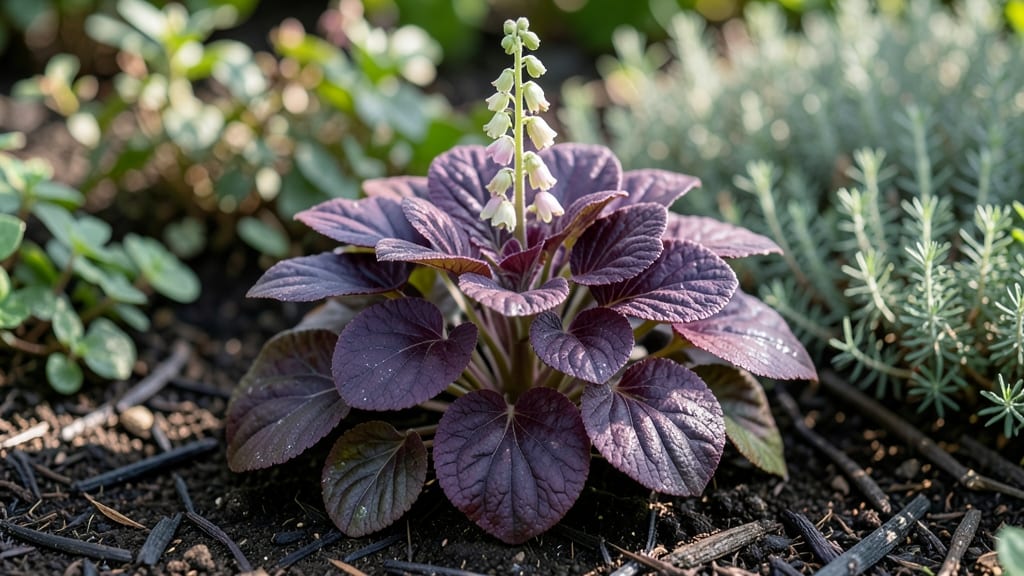
The heart-shaped leaf name of Hebe, coleus, and sweet potato vine makes them nature’s little love notes to gardeners—easy to grow and impossible to resist. 🌿 I’ve filled my containers with these plants because they bring instant charm while asking for almost nothing in return.
The key is matching their care to their natural habits: some thrive in shade, others beg for sun, and all reward you with lush foliage that begs to be touched.
Start with coleus, the beginner’s dream—its bold, heart-shaped leaves come in every color but green, and it grows happily in 6 hours of sunlight or less. Sweet potato vine is the climber’s best friend, smothering trellises in vibrant leaves that last all summer.
Meanwhile, Hebe (often called false heather) brings a woody, shrubby texture with its tiny heart-shaped leaves, perfect for borders or pots. All three handle neglect better than most houseplants, though they’ll reward proper care with nonstop growth and vibrant color.
You’ll end up with plants that look like they belong in a botanical garden, not your backyard.
The heart-shaped leaves add a romantic touch to any space, whether you’re filling window boxes, hanging baskets, or even indoor terrariums. Sweet potato vine even produces edible tubers if you let it go wild—though most gardeners grow it purely for the foliage.
No matter which you choose, these plants adapt to containers, borders, or even indoor growing. The secret? Well-draining soil and occasional deadheading to keep them flowering (if they do). Once established, they’re basically foolproof—ideal for gardeners who want beauty without the fuss.
Behind The Leaf’s Love-Shaped Twist
That charming heart-shaped leaf isn’t just a quirky plant quirk—it’s often a cry for help from your botanical buddy! Whether you’re growing Hevea brasiliensis (rubber plant), Aphelandra squarrosa (zebra plant), or a Coleus variety, these leaf shapes can signal underlying issues.
Let’s break down the real culprits behind this romantic leaf formation.
Plants are sensitive to temperature swings, and extreme conditions can warp their growth patterns. Heart-shaped leaves often pop up when:
- Cold drafts (like AC vents or winter winds) stunt cell division, causing uneven expansion.
- Heat stress (above 90°F/32°C) disrupts photosynthesis, leading to malformed leaves.
- Rapid temperature shifts confuse the plant’s metabolic processes, triggering abnormal leaf shapes.
Actionable fix: Keep your plant in a stable environment (ideal temps: 65–75°F/18–24°C). Use a thermometer to monitor fluctuations and avoid placing it near heating/cooling sources.
Water is the lifeblood of leaf formation, and imbalances can turn your plant’s foliage into a heart-shaped puzzle. Here’s how:
- Overwatering causes root suffocation, limiting nutrient uptake. The plant compensates by producing smaller, misshapen leaves.
- Underwatering leads to cellular dehydration, stunting growth and causing leaves to curl or flatten into heart shapes.
- Inconsistent moisture (like sporadic watering) disrupts the plant’s growth rhythm, leading to irregular leaf development.
Actionable fix:
- Check soil moisture with your finger—water only when the top 1–2 inches are dry.
- Use well-draining pots with drainage holes to prevent soggy roots.
- Mist leaves lightly in dry climates to maintain humidity.
Leaves are like tiny factories, and without the right nutrients, their "assembly line" breaks down. Heart-shaped leaves often hint at:
| Nutrient | Role in Leaf Growth | Signs of Deficiency |
|---|---|---|
| Nitrogen (N) | Promotes cell expansion and chlorophyll production. | Yellowing leaves, stunted growth, and small, thick heart-shaped leaves. |
| Magnesium (Mg) | Essential for photosynthesis and enzyme function. | Interveinal chlorosis (yellowing between veins) and deformed leaves. |
| Calcium (Ca) | Strengthens cell walls during growth. | Weak, cupped, or heart-shaped leaves with brittle edges. |
Actionable fix: Fertilize with a balanced liquid fertilizer (e.g., 10-10-10) every 4–6 weeks. For deficiencies, use targeted supplements like Epsom salt (for magnesium) or lime (for calcium).
Some tiny invaders don’t just nibble—they alter leaf development. Pests like:
- Spider mites suck sap, starving leaves of nutrients and causing them to pucker or form heart shapes.
- Aphids excrete honeydew, which can lead to fungal infections that distort new growth.
- Thrips damage leaf tissue, triggering abnormal cell regeneration and misshapen leaves.
Actionable fix:
- Inspect leaves (especially undersides) for webs, sticky residue, or tiny bugs.
- Blast pests off with water or use neem oil spray weekly.
- Introduce beneficial insects like ladybugs or lacewings for natural control.
Not all heart-shaped leaves are a red flag—some plants are hardwired for it! For example:
- Hevea brasiliensis (rubber plant) naturally produces lobed or heart-shaped leaves as it matures.
- Some Coleus varieties are bred for irregular leaf shapes, including heart-like patterns.
- Juvenile growth stages often feature smaller, heart-shaped leaves that evolve into the mature form.
Actionable fix: If your plant is otherwise healthy (vibrant color, steady growth), embrace the quirk! But if new leaves consistently deform, revisit the other causes above.
Fixing and Preventing Leaf Issues
When your plant’s leaves start developing irregular shapes—like unexpected heart-like formations—it’s a sign something’s off. The good news? Most problems have simple fixes. Below, we’ve mapped common causes to actionable solutions, plus tips to keep your plant thriving long-term.
Fix:
- 🔥 Check the Soil – Stick your finger 1–2 inches deep. If it’s soggy, your plant is drowning.
- 🍳 Repot if Needed – Use a pot with drainage holes and fresh, well-draining potting mix (a blend of peat, perlite, and vermiculite works well).
- ⏰ Adjust Watering – Water only when the top inch of soil feels dry. Less is often more!
Prevention:
- 💡 Use a moisture meter to avoid guesswork.
- ✨ Add a layer of gravel at the bottom of the pot for extra drainage.
Fix:
- 👨🍳 Inspect Leaves – Look for sticky residue (honeydew), tiny webs, or crawling bugs.
- 🔪 Treat with Neem Oil – Mix 1 tsp neem oil with 1 quart of water, spray thoroughly, and repeat weekly.
- 🌡️ Isolate the Plant – Keep it away from others until pests are gone.
Prevention:
- 🎯 Wipe leaves with a damp cloth weekly to deter pests.
- 🌿 Introduce beneficial insects like ladybugs for natural pest control.
Fix:
- 📊 Test Soil pH – Most plants prefer a slightly acidic soil (pH 6.0–7.0). Adjust with lime (to raise pH) or sulfur (to lower it).
- 🥗 Balance Fertilizer Use – Over-fertilizing burns roots; under-fertilizing starves them. Use a slow-release fertilizer and follow package instructions.
- 🍎 Flush the Soil – Run water through the pot for 10–15 minutes to leach excess salts.
Prevention:
- ✨ Fertilize seasonally (spring and summer) rather than year-round.
- 💪 Use organic compost for a steady nutrient supply.
Fix:
- 🔥 Move to Ideal Conditions – Most houseplants thrive in indirect light (east or north-facing windows) and temps between 65–75°F (18–24°C).
- 🍳 Acclimate Gradually – If moving outdoors, do it slowly to avoid shock.
- 🌿 Avoid Drafts – Keep away from AC vents, heaters, or cold windows.
Prevention:
- 💡 Use sheer curtains to filter harsh sunlight.
- 🎯 Monitor humidity—mist leaves or use a humidifier if air is too dry.
Pro Tip: 🌱 When in doubt, observe! Leaf shape changes often signal stress—adjust one condition at a time (water, light, or soil) to pinpoint the issue. Most plants bounce back with the right care!
Frequently asked questions
What are the most common plants with heart-shaped leaves?
Some of the most popular plants featuring heart-shaped leaves include coleus (with its vibrant, patterned foliage), sweet potato vine (a fast-growing climber), and Hebe (often called false heather). Other great options are rubber plants (Ficus elastica) and Aphelandra squarrosa (zebra plant), which develop these shapes as they mature.
Can I grow heart-leaf plants indoors?
Many heart-leaf plants thrive indoors, especially coleus and sweet potato vine, which do well in bright, indirect light. Place them near east or north-facing windows. Hebe also adapts well to indoor conditions if given proper drainage and moderate light.
Why do some plants develop heart-shaped leaves when others don’t?
Heart-shaped leaves are often the result of natural growth patterns or environmental stress. Some plants (like coleus) are bred for irregular leaf shapes, while others may develop them due to nutrient deficiencies, temperature fluctuations, or inconsistent watering. Always check soil moisture and light exposure first!
How do I care for heart-leaf plants in containers?
Use well-draining potting mix and containers with drainage holes to prevent root rot. Most heart-leaf plants prefer moderate watering—water when the top inch of soil feels dry. Fertilize lightly every 4-6 weeks during growing season, and rotate containers occasionally for even growth.
Are heart-shaped leaves always a sign of a problem?
Not necessarily! Many plants naturally produce heart-shaped leaves, especially as juveniles or mature specimens. However, if new growth consistently develops this shape along with yellowing or stunted growth, it may indicate stress from over/under-watering, pests, or nutrient deficiencies.