
Shrubs
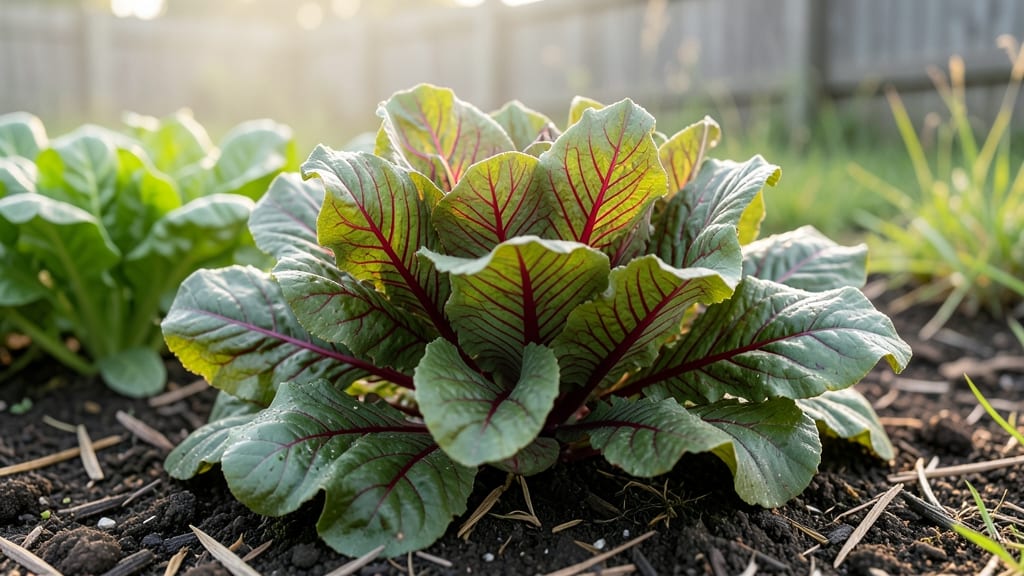
A lettuce leaf with red veins creeping across your plants? That’s your lettuce’s SOS signal—and it’s easier to fix than you think. 🌱 I’ve saved dozens of wilting heads by spotting the exact cause in minutes, whether it’s a simple nutrient tweak or hidden pests playing hide-and-seek in the soil.
The most common culprits are phosphorus deficiency (those deep red veins), magnesium stress (yellowing between veins), or even slugs munching at night. Grab a magnifying glass and flip the leaves—you’ll spot the difference between nutrient needs and creepy-crawly invaders in under 10 minutes.
With the right fix—whether it’s a quick Epsom salt rinse, crushed eggshells, or a neem oil spray—your lettuce will bounce back faster than you can say “harvest.” The key is acting fast before the whole head turns into a red-veined mess.
Works for butterhead, romaine, and loose-leaf varieties alike. Let’s turn those sad stems into crisp, vibrant greens again—no fancy tools or gardening degree required.
Understanding Red Veins in Lettuce
If your lettuce leaves are developing striking red veins, don’t assume it’s a sign of poor health—it could actually be a natural (or sometimes problematic) response to environmental or biological factors.
Below, we break down the most common causes, complete with scientific explanations and actionable insights to help you address the issue.
Red veins often signal a magnesium or calcium deficiency, but they can also appear due to an excess of nitrogen or phosphorus. Lettuce thrives in balanced soil, and disruptions in these key nutrients can trigger stress responses, including vein discoloration.
- Magnesium: This mineral is crucial for chlorophyll production. A deficiency causes veins to turn red or purple as the plant struggles to synthesize enough energy. Look for yellowing between veins (interveinal chlorosis) alongside the red streaks.
- Calcium: Poor calcium uptake (often due to cold soil or overwatering) can lead to red veins, especially in younger leaves. Calcium helps cell walls stay rigid—without it, leaves may also develop blossom-end rot-like symptoms.
- Nitrogen/Potassium Overload: Too much synthetic fertilizer can "burn" the plant, causing red veins as a stress signal. Test your soil to check pH (ideal: 6.0–7.0) and nutrient levels.
💡 Pro Tip: Amend soil with Epsom salt (for magnesium) or crushed eggshells (for calcium). For fertilizer burns, flush the soil with water and reduce synthetic inputs.
Lettuce is a cool-season crop, and extreme heat or insufficient light can trigger red veins as a survival mechanism. When stressed, plants produce anthocyanins—antioxidant pigments that protect cells from damage.
- Heat Stress: Temperatures above 80°F (27°C) can cause lettuce to bolt (send up a flower stalk) or develop red veins. The plant shifts resources to protect itself, often at the expense of leaf quality.
- Light Deficiency: Inadequate sunlight (especially in shaded spots) slows photosynthesis, leading to red veins as the plant conserves energy. Shade-loving varieties like Buttercrunch may tolerate this better than leaf lettuce.
- Cold Damage: Frosts or near-freezing temps can cause red veins, particularly in red-veined lettuce varieties (e.g., Red Sails). However, if the veins darken unexpectedly in a cold-hardy type, it may signal cold stress or fungal infection.
🌡️ Actionable Fix:
- Move containers to a partial shade spot during peak afternoon heat.
- Use row covers or cloche tunnels to protect from cold snaps.
- Extend growing season with LED grow lights (12–14 hours/day) if natural light is lacking.
While red veins can be cosmetic, they may also indicate an underlying infection or pest infestation. Fungal, bacterial, or viral pathogens can disrupt nutrient transport, leading to discoloration.
| Cause | Symptoms Beyond Red Veins | Solution |
|---|---|---|
| Downy Mildew (Bremia lactucae) | Grayish-purple fungal growth on undersides of leaves; yellowing between veins. | Remove infected leaves immediately. Apply copper fungicide or neem oil preventatively. |
| Viral Infection (e.g., Lettuce Mosaic Virus) | Mottled leaves, stunted growth, and red veins paired with crinkling or puckering. | Remove infected plants completely to prevent spread. Use resistant varieties (e.g., Jericho) next season. |
| Aphids or Spider Mites | Sticky residue (honeydew), tiny webs, or distorted growth. Red veins may appear as a secondary stress response. | Spray with soapy water or introduce ladybugs for natural pest control. |
✨ Prevention Tip: Rotate crops annually to avoid soil-borne pathogens. Space plants 12–18 inches apart to improve airflow and reduce humidity-related diseases.
Not all red veins are a cause for alarm! Some lettuce varieties are bred to have naturally red or purple veins, especially in heirloom or ornamental types.
- Decorative Varieties: Cultivars like Lollo Rossa or Red Oakleaf feature striking red veins as a desirable trait. These are not signs of distress.
- Anthocyanin Production: Some lettuces produce red pigments in response to UV light exposure, a natural defense mechanism. This is common in loose-leaf types grown in full sun.
🔍 How to Tell the Difference:
- Check your seed packet or plant tags—if the variety is listed as "red-veined," it’s likely genetic.
- Observe leaf structure: Natural red veins are evenly distributed and paired with healthy green tissue. Stress-related veins often appear patchy or irregular.
Quick Fixes for Vibrant Greens
Reviving lettuce with red veins doesn’t have to be a mystery—just a few targeted tweaks can restore your greens to their crisp, fresh glory in minutes.
Below, we’ll break down the most common causes of those unsightly red streaks and provide practical, step-by-step solutions to bring your lettuce back to its best. Plus, we’ll share prevention tips so you can keep your greens looking lush for weeks!
If your lettuce leaves are turning red from the veins outward, excess moisture (or soggy soil) is often the culprit. Lettuce thrives in consistently moist but well-drained conditions—too much water stresses the plant, leading to discoloration.
How to Revive It:
- 🌱 Step 1: Check the Soil Stick your finger 1 inch deep into the soil. If it feels squishy or muddy, your lettuce is drowning. Let it dry out slightly before watering again.
- 💦 Step 2: Adjust Watering Habits
- Water only at the base (never overhead) to prevent fungal issues.
- Use a spray bottle for delicate greens or a drip irrigation system for even moisture.
- Morning watering is best—it gives leaves time to dry before evening.
- 🔄 Step 3: Improve Drainage If your pot lacks drainage holes, transfer your lettuce to a new container with holes or add a layer of perlite to the bottom for better airflow.
💡 Prevention Tip:
- Test soil moisture before watering—lettuce wilts faster than it recovers from overwatering!
- Use a self-watering planter if you tend to forget watering schedules.
Red veins can also signal too much direct sun, especially in hot climates. Lettuce prefers partial shade (3–4 hours of morning sun max). When exposed to harsh afternoon rays, leaves can develop reddish-brown patches along the veins.
How to Revive It:
- 🌿 Step 1: Move to Shade Relocate your lettuce to a spot with dappled sunlight or under a light shade cloth (30–50% coverage). Avoid full sun until temperatures drop.
- 💧 Step 2: Hydrate & Cool Down
- Mist leaves lightly with water in the evening to lower their temperature.
- Use a reflective mulch (like white gravel) around the base to deflect heat.
- 🌱 Step 3: Harvest & Regrow If the damage is severe, snip the outer red-tinged leaves and let the inner greens recover. Lettuce often regrows from the base!
💡 Prevention Tip:
- Grow lettuce in spring or fall—avoid summer heatwaves.
- Choose heat-tolerant varieties like ‘Jericho’ or ‘Black Seeded Simpson’ for warmer climates.
Red veins can sometimes indicate early-stage fungal infections (like downy mildew) or bacterial leaf spot, especially if paired with yellowing or slimy patches.
How to Revive It:
- 🔍 Step 1: Identify the Problem
- Fungal? Look for white powdery spots or fuzzy growth on undersides.
- Bacterial? Check for water-soaked, translucent patches.
- 🧼 Step 2: Clean & Treat
- Prune infected leaves immediately with sterilized scissors (wipe with rubbing alcohol).
- Spray with neem oil (1 tsp per quart of water) or a copper fungicide (follow label instructions).
- 🌿 Step 3: Improve Airflow
- Space plants 6–12 inches apart to reduce humidity buildup.
- Avoid overhead watering—use a soaker hose instead.
💡 Prevention Tip:
- Rotate crops—don’t plant lettuce in the same spot year after year.
- Sterilize tools between uses to prevent spreading pathogens.
Ironically, over-fertilizing with nitrogen can cause red veins by burning the plant’s vascular system. Lettuce needs balanced nutrients—too much of one can throw off the others.
How to Revive It:
- 🧪 Step 1: Test Your Soil Use a DIY soil test kit or send a sample to your local extension office. Healthy lettuce soil should have a pH of 6.0–7.0.
- 🍽️ Step 2: Adjust Fertilizer
- Stop nitrogen-heavy feeds (like blood meal or manure) immediately.
- Switch to a balanced fertilizer (e.g., 5-5-5 or 10-10-10) or compost tea for a gentle boost.
- 💧 Step 3: Flush the Soil Water deeply to leach out excess salts, then let the soil dry slightly before re-fertilizing.
💡 Prevention Tip:
- Side-dress with compost instead of synthetic fertilizers for slow-release nutrients.
- Follow the “less is more” rule—lettuce needs light feeding, not heavy doses.
Some red veins are simply part of lettuce’s natural lifecycle, especially in older leaves. If your greens are otherwise crisp and healthy, harvesting the outer leaves can encourage fresh growth.
How to Revive It:
- 🗡️ Step 1: Snip the Old Leaves Use clean scissors to cut off the outermost red-veined leaves at the base. This redirects energy to newer growth.
- 🌱 Step 2: Encourage Regrowth
- Keep soil moist (not soggy) to support new leaves.
- Add a light mulch (like straw) to retain moisture and cool roots.
- 📅 Step 3: Plan for Successive Planting If your lettuce is bolting (going to seed), it’s time to pull and replant with a new batch for a fresh harvest.
💡 Prevention Tip:
- Harvest young leaves (4–6 weeks after planting) for the sweetest, crispiest greens.
- Choose slow-bolting varieties like ‘Romaine’ or ‘Buttercrunch’ for longer harvest windows.
For quick revival, try this express fix:
- Trim any severely damaged leaves.
- Soak roots in cool water for 5 minutes to refresh them.
- Repot (if needed) into fresh, well-draining soil.
- Place in indirect light and water lightly for 24 hours.
With these solutions, your lettuce should bounce back in no time—and you’ll be back to enjoying crisp, vibrant greens in your salads! 🥗✨
Frequently asked questions
Are red veins in lettuce always a sign of a problem?
Not necessarily! Some lettuce varieties like Lollo Rossa or Red Oakleaf naturally have red veins as part of their genetic makeup. Check your seed packet—if it mentions "red-veined," this is perfectly normal. However, if the veins appear suddenly or are paired with yellowing between veins, it's likely a nutrient deficiency or stress signal.
What nutrients cause red veins in lettuce?
Red veins most commonly indicate a magnesium or calcium deficiency. Magnesium deficiency often shows as red/purple veins with yellowing between them, while calcium issues appear in younger leaves. For magnesium, use Epsom salt (1 tablespoon per gallon of water). For calcium, try crushed eggshells mixed into the soil or a light application of lime.
Can too much sun cause red veins in lettuce?
Yes! Lettuce prefers partial shade, especially in hot climates. When exposed to intense afternoon sun (above 80°F/27°C), leaves develop red veins as a stress response. Move your plants to a shadier spot and water deeply in the morning to help them recover. A light shade cloth (30-50% coverage) can also protect delicate leaves.
How do I tell if red veins are from disease or natural causes?
Check for these clues: Natural red veins appear evenly distributed and are paired with healthy green tissue. Disease-related veins often come with additional symptoms like fuzzy growth (fungal), water-soaked patches (bacterial), or distorted leaves (viral). If you see these extra signs, remove infected leaves immediately and treat with neem oil or copper fungicide.
Will harvesting red-veined leaves help my lettuce recover?
Snipping the outer red-veined leaves encourages new growth from the center. Use clean scissors to cut at the base, leaving the inner greens intact. Keep the soil moist (not soggy) and add a light mulch to retain moisture. This method works especially well for loose-leaf varieties that regrow continuously.