
Pests and Diseases
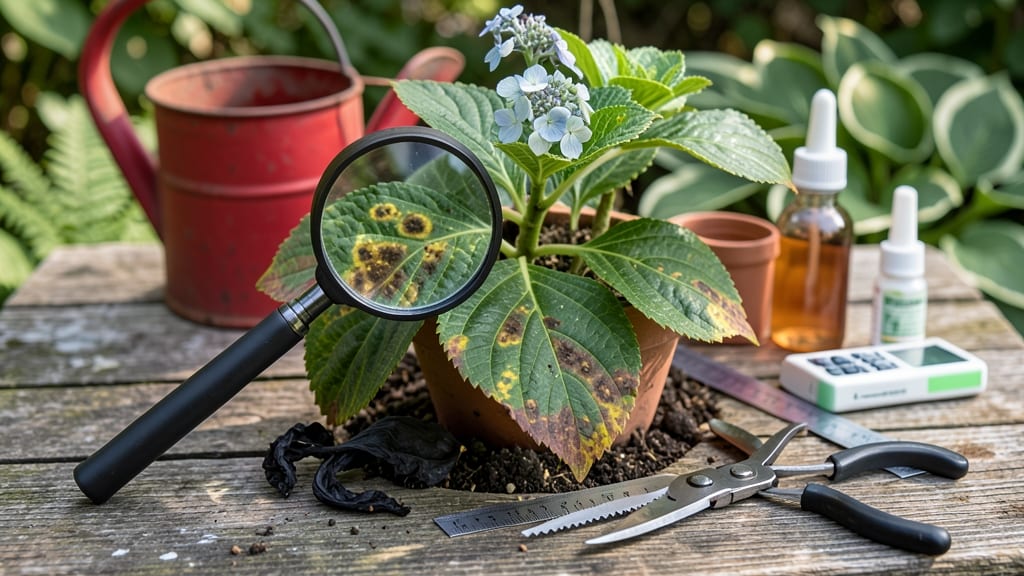
Seeing pictures of hydrangea leaf problems? 🌿 That crunchy brown edge or sudden yellowing isn't just bad luck—it's a message, and this guide decodes it fast.
I've spent three summers diagnosing hydrangea leaf problems, and the key to saving your plant is spotting the issue early before it spreads like wildfire.
The most common culprits are fungal diseases (like powdery mildew or leaf spot), pests (aphids, lace bugs, or spider mites), or environmental stress from too much sun or not enough water.
Each problem has a distinct look—brown spots with yellow halos, holes, curling, or stunted growth—and knowing what you're dealing with cuts treatment time from weeks to days. You'll learn to identify each issue by sight, then treat it with targeted solutions that actually work.
No more guessing whether to spray fungicide or adjust your watering schedule. The first step is matching the symptom to the cause, and I've got the visual clues you need to do it right. This works for bigleaf, oakleaf, and panicle hydrangeas alike.
Let's get those leaves looking healthy again—starting with the pictures that show you exactly what to watch for.
Root Causes of Leaf Troubles
Understanding why hydrangea leaves develop problems starts with recognizing the environmental stressors, biological threats, and cultural mistakes that trigger them. These issues rarely appear in isolation—often, multiple factors combine to weaken your plant, making it vulnerable.
Below, we break down the most common culprits behind hydrangea leaf problems, from fungal infections to nutrient deficiencies, so you can address the real issue—not just the symptoms.
Hydrangeas thrive in specific growing conditions, and when those needs aren’t met, leaves react with visible distress. Here’s how environmental factors play a role:
1. Extreme Temperature Swings 🥶🔥
Hydrangeas prefer moderate climates (USDA Zones 4–9) but struggle when temperatures drop below 20°F (-7°C) or exceed 90°F (32°C) for prolonged periods. - Cold Damage: Freezing temps cause brown, crispy edges or blackened leaves (a sign of cold burn).
Ice crystals rupture cell walls, leading to necrosis (dead tissue). - Heat Stress: High heat + low humidity = scorched, yellowing leaves (especially on panicle hydrangeas).
The plant transpires too much water, and chlorophyll breaks down under UV stress. - Solution: Mulch heavily in winter (3–4 inches of shredded bark) and provide afternoon shade in summer. Choose heat-tolerant varieties like Hydrangea paniculata ‘Limelight’ if you live in hot zones.
2. Poor Watering Practices 💦🚫
Hydrangeas hate soggy roots and dry spells—both lead to leaf problems. - Overwatering: Leads to root rot (caused by Phytophthora or Pythium fungi), which blocks nutrient uptake.
Symptoms: Yellowing leaves, wilting despite wet soil, and a foul smell at the base. - Underwatering: Causes leaf scorch (brown, papery edges) and drooping.
Chronic drought weakens the plant, making it susceptible to pests. - Solution: Water deeply 1–2 times per week (1–1.5 inches per session) and improve drainage with raised beds or amended soil. Mulch to retain moisture and regulate soil temp.
3. Light Exposure Issues ☀️🌑
- Too Much Sun: Leaves bleach out (chlorosis) or develop sunburn spots (white/yellow patches). Hydrangeas need morning sun + afternoon shade in hot climates.
- Too Little Light: Leaves grow pale, leggy, and sparse, and flowers fail to develop.
Hydrangeas need at least 4–6 hours of filtered light daily. - Solution: Plant in dappled shade (under trees with high canopies) or use shade cloth (30–50%) in intense sunlight. Morning sun is ideal—afternoon heat is the enemy.
When hydrangeas are stressed, pests and diseases move in fast. Here’s how they exploit weak plants:
4. Fungal Infections 🍄💥
Fungi thrive in humid, poorly ventilated conditions and attack hydrangeas in three main ways: - Powdery Mildew (Erysiphe cichoracearum): Appears as white, powdery patches on upper leaf surfaces.
It blocks sunlight, causing yellowing. - Why it happens: High humidity (70%+) + tight plant spacing + poor airflow. - Fix: Space plants 3–5 feet apart, water early in the day, and apply neem oil or sulfur spray preventatively. - Leaf Spot Diseases (Septoria or Alternaria): Causes dark, circular spots with yellow halos.
Spots enlarge and merge, leading to premature leaf drop. - Why it happens: Overhead watering (splashes spores onto leaves) + wet foliage for >12 hours. - Fix: Water at the base, remove infected leaves immediately, and apply copper fungicide at first sign. - Root Rot (Phytophthora spp.): Silent killer—leaves yellow and wilt before roots decay.
Check for mushy, black roots and stinky soil. - Why it happens: Compacted, waterlogged soil + poor drainage. - Fix: Repot in fresh, well-draining soil (add perlite/pine bark) and avoid saucers that trap water.
5. Pest Infestations 🐜🐛
Pests sap nutrients or transmit diseases, leading to stunted growth and leaf damage. - Aphids 🐜: Tiny green/black bugs that cluster on new growth, causing sticky honeydew (leads to sooty mold).
Leaves curl and distort. - Why they strike: Soft, tender new growth (aphids love it!) + crowded plants. - Fix: Blast off with water spray or use insecticidal soap. - Spider Mites 🕷️: Tiny red/yellow pests that spin webs on undersides.
Leaves turn stippled (white/yellow dots) and fall off. - Why they thrive: Dry, hot conditions (they hate humidity). - Fix: Increase humidity (mist plants) and spray neem oil weekly. - Japanese Beetles 🐞: Skeletonize leaves (eat tissue between veins), leaving lace-like patterns. - Why they attack: Flowering hydrangeas (they’re drawn to blooms). - Fix: Handpick at dawn or use milky spore bacteria for long-term control.
Even the best hydrangea growers make common mistakes that lead to leaf problems:
6.
Soil pH Imbalances 📉📈 Hydrangeas are pH-sensitive—their blue/pink flower color changes with pH, but leaf health suffers if extremes occur. - Too Acidic (pH <5.5): Causes chlorosis (yellowing between veins) as the plant can’t absorb iron. - Too Alkaline (pH >6.5): Leads to brown, crispy edges and poor nutrient uptake. - Solution: Test soil pH with a home kit and amend with: - For acidic soil: Elemental sulfur or peat moss. - For alkaline soil: Aluminum sulfate or pine needles.
7.
Nutrient Deficiencies 💀🍃 Yellowing leaves often signal nutrient starvation, but the location of discoloration tells you exactly what’s missing: | Symptom | Likely Deficiency | Quick Fix | |---------------------------|-----------------------|----------------------------------------| | Yellow leaves (oldest first) | Nitrogen (N) | Apply balanced fertilizer (10-10-10) or compost. | | Yellow between veins (chlorosis) | Iron (Fe) or Magnesium (Mg) | Use chelated iron or Epsom salt (1 tbsp/gallon water). | | Purple stems/leaves | Phosphorus (P) | Feed with bone meal or rock phosphate. | | Brown leaf edges | Potassium (K) | Use wood ash or potassium sulfate. |
8.
Pruning at the Wrong Time ⏳✂️ - Pruning old wood (mophead/bigleaf types) in late summer/fall removes next year’s blooms. - Over-pruning stresses the plant, leading to weak growth and pest susceptibility. - Solution: Prune after flowering (for mophead/bigleaf) or in late winter (panicle types). Never cut more than 1/3 of the plant in one season.
Pro Tip: 💡 Keep a plant journal—note when symptoms appear, recent weather changes, and care adjustments. Patterns will reveal the root cause faster!
Fixing Hydrangea Leaf Issues Fast
Now that you’ve identified the problem, let’s get your hydrangeas back to their lush, vibrant best! Each issue requires a slightly different approach, but the good news is that most fixes are simple and effective.
Below, we’ve mapped out practical, step-by-step solutions for the most common hydrangea leaf problems—plus prevention tips to keep your plants thriving long-term.
Fix:
- 💧 Adjust Your Watering Routine
- Hydrangeas hate soggy roots! Let the top 1–2 inches of soil dry out between waterings. Stick your finger in the soil—if it’s damp, wait a day or two.
- Improve drainage by amending the soil with perlite, sand, or compost (20–30% mix). If your pot lacks drainage holes, repot your hydrangea ASAP.
- 🍽️ Feed with the Right Fertilizer - Iron deficiency? Sprinkle chelated iron granules around the base (follow package instructions) or use an iron supplement like Ironite. - General nutrient boost? Use a balanced, slow-release fertilizer (10-10-10 or 20-20-20) in early spring and mid-summer.
Avoid high-nitrogen fertilizers—they can burn roots.
- 🌞 Check Light Exposure
- Too much sun (especially in hot climates) can cause chlorosis (yellowing between veins). Move your hydrangea to partial shade (4–6 hours of morning sun).
💡 Prevention Tip:
- Test your soil’s pH—hydrangeas prefer 5.0–6.0. If it’s too alkaline, add sulfur or peat moss to lower the pH gradually.
Fix:
- 🚰 Increase Water Consistency
- Brown, crispy edges = thirsty leaves! Water deeply 1–2 times per week (more in extreme heat). Use mulch (2–3 inches of shredded bark or pine needles) to retain moisture.
- Morning watering is best—it reduces evaporation and fungal risks.
- 🌬️ Shield from Scorching Sun
- If your hydrangea is in a hot, dry spot, provide afternoon shade with a lightweight shade cloth (30–50% coverage).
- Mist leaves on very hot days (but avoid wetting flowers to prevent mildew).
- 🌱 Trim Damaged Foliage
- Snip off severely browned leaves with sterilized pruners to redirect energy to healthy growth.
💡 Prevention Tip:
- Group hydrangeas with other plants to create a microclimate that stays cooler and more humid.
Fix:
- 🕷️ Identify & Attack the Culprit
- Japanese beetles? Handpick them into soapy water or use neem oil spray (repeat every 5–7 days).
- Aphids or spider mites? Spray with a strong stream of water first, then apply insecticidal soap or horticultural oil.
- Slugs/snails? Set up beer traps (bury a shallow dish filled with beer) or use iron phosphate bait.
- 🌿 Strengthen Plant Defenses
- Encourage beneficial insects like ladybugs and lacewings by planting marigolds, dill, or fennel nearby.
- Prune heavily infested leaves and dispose of them in sealed bags (not compost).
💡 Prevention Tip:
- Install row covers in early spring to block pests before they arrive.
- Avoid over-fertilizing with nitrogen—it attracts soft-bodied pests like aphids.
Fix:
- 💨 Improve Airflow
- Space plants 2–3 feet apart and prune to open the canopy for better air circulation.
- Remove and destroy infected leaves immediately (don’t compost them!).
- 🍄 Treat with Fungicides
- Baking soda spray: Mix 1 tsp baking soda + 1 tbsp horticultural oil + 1 quart water + a drop of dish soap. Spray every 7–10 days.
- Neem oil or copper fungicide: Apply every 2 weeks until the issue clears.
- 🌧️ Adjust Watering Habits
- Water at the base (avoid wetting leaves) and water early in the day so foliage dries quickly.
💡 Prevention Tip:
- Plant hydrangeas in full sun (but with afternoon shade in humid areas)—fungi thrive in damp, shady conditions.
- Avoid overhead sprinklers—use drip irrigation instead.
Fix:
- 🌱 Check for Root Rot
- Gently dig around the roots—if they’re mushy, black, or smell foul, your hydrangea has root rot.
- Repot immediately in fresh, well-draining soil and trim all mushy roots with sterilized shears.
- 🚰 Revive with Proper Care
- Reduce watering to every 5–7 days and ensure the pot has drainage holes.
- Move to a shadier spot temporarily while it recovers.
- 💊 Boost Recovery with Fertilizer
- Use a low-nitrogen, high-phosphorus fertilizer (like 5-10-5) to encourage root regrowth.
💡 Prevention Tip:
- Never let hydrangeas sit in saucers of water—empty saucers after watering.
- Use containers with drainage—terracotta pots help prevent rot better than plastic.
Final Thought: Most hydrangea leaf problems are easily reversible with the right care! Start with one fix at a time, monitor progress, and soon your plant will be bouncing back with fresh, healthy leaves. 🌸
(Need a visual guide? Check out our diagnostic chart for quick fixes!)
Frequently asked questions about hydrangea leaf problems
Why do my hydrangea leaves turn brown at the edges?
Brown edges usually mean underwatering or heat stress. Check soil moisture—hydrangeas need 1-1.5 inches of water weekly. For container plants, ensure drainage holes exist. If the issue persists, provide afternoon shade during hot months.
What do yellow leaves on hydrangeas mean?
Yellowing often signals nutrient deficiencies or overwatering. Check leaf patterns: Yellow between veins = iron/magnesium deficiency (use Epsom salt). Yellow oldest leaves first = nitrogen deficiency (apply balanced fertilizer). Always verify soil moisture first—soggy roots cause yellowing too.
How can I tell if my hydrangea has powdery mildew?
Look for white, powdery patches on upper leaf surfaces—this fungal disease thrives in humid conditions. Unlike other spots, it won't turn brown. Improve airflow by spacing plants 3-5 feet apart and water early in the day. Treat with neem oil or sulfur spray for prevention.
Are holes in hydrangea leaves normal?
No! Holes indicate pest activity—most commonly Japanese beetles or slugs. Japanese beetles create lace-like patterns while slugs leave irregular holes. Handpick beetles at dawn or use beer traps for slugs. Neem oil helps deter both pests.
Can I save my hydrangea if the leaves are completely black?
Black leaves often mean fungal infection or severe cold damage. For fungal issues, prune affected leaves immediately and apply copper fungicide. If cold damage, protect next year with 3-4 inches of mulch. If roots are healthy, new growth should emerge. Monitor closely for improvement.