
Leaf Blower
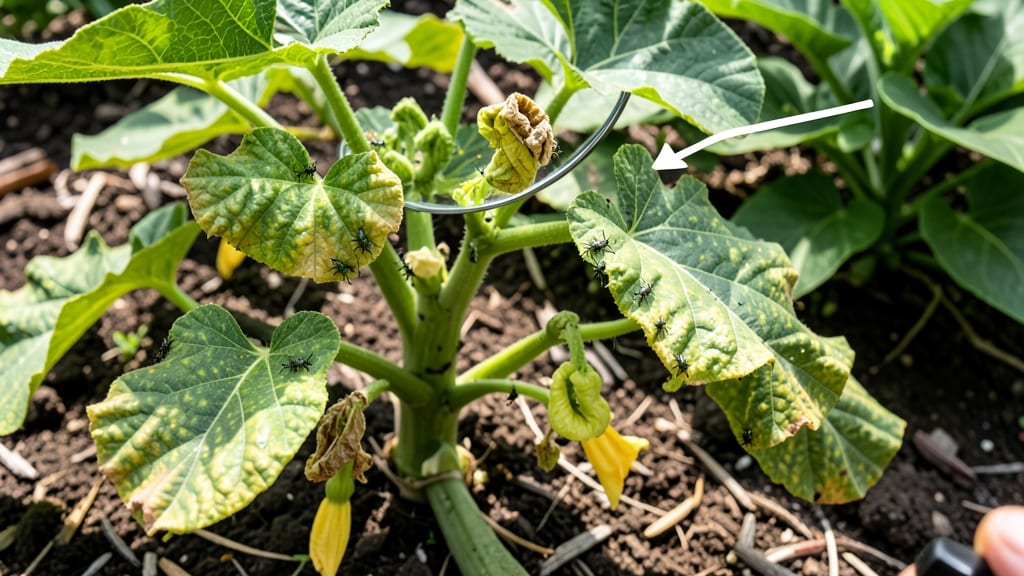
Squash leaf curl turns your thriving vines into twisted, yellowing messes overnight—🌿 and copper spray is the secret weapon that stops it in its tracks.
I’ve watched this fungal disease (or viral mimic) ruin entire harvests, but the right spray applied at the first sign of curled leaves can save your plants. The key? Acting fast and choosing the right copper formula for your garden’s needs.
Most cases start with stunted growth and puckered leaves, then spread like wildfire if humidity and warm nights hang around. Copper works by disrupting fungal spores on contact—no soil disruption, no harsh chemicals lingering.
For viral leaf curl (which copper won’t fix), focus on removing infected plants immediately and sterilizing tools between uses. Prevention? Resistant varieties like ‘Early Prolific’ or ‘Zucchini ‘Black Beauty’ cut risks by half.
You’ll see improvement within 7-10 days of treatment if it’s fungal—leaves unfurl, new growth stays crisp, and your plants rebound like nothing happened. The spray also prevents powdery mildew, so it’s a two-for-one fix.
Just avoid spraying when rain’s forecasted (it washes off) and rotate with neem oil for stubborn cases. Your next harvest won’t know what hit it.
For long-term defense, prioritize airflow (space plants 2-3 feet apart) and clean up debris after harvest. If viral curl strikes, quarantine the patch for a season—this disease hitches rides on aphids and spreads faster than you’d think.
Copper spray won’t cure everything, but it’s your best shot at a lush, productive squash season.
Root Causes of Leaf Distortion
Squash leaf curl and other viral deformities in your garden aren’t just random acts of nature—they’re often the result of specific, actionable triggers. Understanding these causes is the first step to reclaiming healthy, vibrant plants.
Let’s break down the science behind why your squash leaves might be curling, yellowing, or stunting.
The most common culprit behind squash leaf curl is viruses, particularly those transmitted by insects. Here’s how they work:
- Whiteflies & Aphids as Vectors: These tiny pests don’t just feed on your plants—they spread Squash Leaf Curl Virus (SLCV) or Cucumber Mosaic Virus (CMV) while moving between plants.
When an infected insect probes a healthy leaf, it injects viral particles, triggering symptoms within days. - How Viruses Disrupt Growth: Once inside, viruses hijack the plant’s cellular machinery, causing: - Stunted growth (viruses interfere with chlorophyll production). - Leaf curling (abnormal cell division in response to viral proteins). - Yellowing or mosaics (disrupted nutrient transport in veins). - Actionable Insight: 🔍 Early detection is key.
Remove infected plants immediately and isolate new squash seedlings to prevent spread.
Not all leaf curl is viral—environmental factors can mimic symptoms or weaken plants, making them more susceptible to infections.
- Extreme Heat Stress: - Squash thrives in 70–85°F (21–29°C).
Above 90°F (32°C), leaves may curl to reduce water loss—a survival mechanism, not a disease. - Signs it’s heat-related: Curling starts on older leaves, edges remain green, and no yellow spots appear. - Fix: Provide shade cloth (30–50% coverage) and mulch to retain soil moisture.
- Irregular Watering:
- Overwatering: Leads to root rot and nutrient deficiencies, causing leaves to curl upward.
- Underwatering: Triggers wilting and curling as leaves conserve moisture.
- Test: Stick your finger 1–2 inches into the soil. If it’s dry, water deeply; if soggy, reduce frequency.
- Poor Soil Drainage:
- Compacted or clay-heavy soil traps excess water, suffocating roots and causing leaf edge curling.
- Solution: Amend soil with compost or perlite and ensure raised beds or containers have drainage holes.
Leaf curl can also stem from deficiencies or toxicities in the soil, though symptoms often differ from viral infections.
| Nutrient Issue | Symptoms | Quick Fix |
|---|---|---|
| Magnesium Deficiency | Yellowing between leaf veins (interveinal chlorosis) + curling | Apply Epsom salt (1 tbsp/gallon water) every 2 weeks. |
| Potassium Deficiency | Scorched leaf edges + curling | Use potassium-rich fertilizer (like banana peel tea). |
| Nitrogen Toxicity | Dark, glossy leaves + curling | Flush soil with water; reduce fertilizer. |
| Calcium Deficiency | New leaves curl upward (cup-shaped) | Sprinkle crushed eggshells or use calcium nitrate. |
- Pro Tip: 🌡️ Test your soil (DIY kits cost $10) to confirm imbalances before guessing treatments.
While less common than viruses, fungal spots (like those caused by Pseudoperonospora cubensis) can weaken leaves, making them curl as the plant fights infection.
- Downy Mildew:
- Symptoms: Yellow spots on top leaves, purple fuzz on undersides, and curling.
- Why it happens: Thrives in humid, shady conditions (60%+ humidity).
- Prevent: Space plants for airflow, water at soil level (not overhead), and apply copper spray (see our fix guide!).
- Bacterial Leaf Spot:
- Symptoms: Small, water-soaked spots that turn yellow/brown and curl edges.
- Spread: Via contaminated tools or splashing water.
- Fix: Sterilize pruners with rubbing alcohol, remove infected leaves, and avoid overhead watering.
Sometimes, the problem isn’t biological—it’s mechanical.
- Root Disturbance:
- Transplanting squash without root pruning or deep watering can cause shock, leading to curled leaves.
- Solution: Hardening off seedlings (acclimating to outdoor conditions) and watering thoroughly post-transplant.
- Wind or Hail Damage:
- Physical trauma can cause localized curling or tearing.
- Fix: Use row covers in windy areas and stake tall varieties for support.
Use this quick checklist to narrow down the cause:
| Symptom | Viral | Environmental | Fungal/Bacterial |
|---|---|---|---|
| Curling starts on new growth | ✅ Yes | ❌ No | ❌ No |
| Yellow mosaics or spots | ✅ Yes | ❌ No | ✅ (if spots are present) |
| Whiteflies/aphids present | ✅ Yes | ❌ No | ❌ No |
| Edge scorching | ❌ No | ✅ (Potassium deficiency) | ✅ (Bacterial spot) |
| Purple fuzz on undersides | ❌ No | ❌ No | ✅ (Downy mildew) |
Next Steps: If you’ve ruled out environmental factors, isolate infected plants and focus on preventing insect vectors (neem oil, reflective mulch). For fungal issues, copper spray is your best defense—stay tuned for our fix guide!
How to Fix Wilted Squash Leaves
Squash leaf curl—whether caused by fungal infections, viral pathogens, or environmental stress—can be frustrating, but the right approach can restore your plants to health. Below are practical, step-by-step solutions tailored to the root cause, along with prevention tips to keep your squash thriving.
If your squash leaves show curling, yellowing, or stunted growth, act fast to prevent spread.
- 🔪 Snip off affected leaves using sterilized pruning shears (wipe with rubbing alcohol between cuts).
- 🗑️ Dispose of infected foliage in a sealed trash bag—do not compost to avoid reinfection.
- ⚠️ Warning: If the entire plant is severely infected (e.g., viral leaf curl), remove it entirely to stop the cycle.
Overwatering or poor drainage creates the perfect breeding ground for fungal leaf curl (like powdery mildew or downy mildew).
- 🌧️ Water at the base (not overhead) to keep leaves dry.
- ⏰ Water early in the day (before 10 AM) so foliage dries quickly.
- 💡 Pro Tip: Use drip irrigation or soaker hoses to reduce moisture on leaves.
- 🌱 Improve drainage by amending soil with compost or perlite if your garden retains too much water.
For fungal leaf curl, a copper-based fungicide is one of the most effective organic treatments.
- 🛒 Buy a ready-to-use copper spray (like Copper Soap or Bordeaux Mixture) or make a homemade version:
- Mix 1 tsp copper sulfate + 1 gallon water + 1 tsp dish soap (as a surfactant).
- 👨🍳 Spray thoroughly on both sides of leaves (focus on undersides where spores hide).
- ⏰ Apply every 7–10 days until symptoms fade, or as a preventive spray every 2–3 weeks during humid seasons.
- ⚠️ Safety First: Wear gloves and avoid spraying on hot days (copper can burn leaves).
If your squash has viral leaf curl (transmitted by aphids or infected seeds), there’s no cure—but you can contain and prevent it:
- 🐞 Eliminate aphids (the #1 virus spreader) with:
- 🌿 Neem oil spray (1 tbsp neem oil + 1 tsp soap + 1 quart water).
- 🕷️ Introduce ladybugs or lacewings (natural aphid predators).
- 🌱 Quarantine new plants for 2 weeks before adding them to your garden.
- 🌱 Use certified disease-free seeds from reputable suppliers.
- 🔥 Rotate crops—don’t plant squash (or cucurbits) in the same spot two years in a row.
A strong, healthy squash fights off pests and diseases better.
Here’s how to strengthen your plants: - 🌱 Feed with compost or balanced fertilizer (high in potassium and phosphorus) to support leaf health. - ☀️ Ensure full sun (6–8 hours/day)—weak, shaded plants are more susceptible. - 💧 Mulch with straw or grass clippings to retain moisture, suppress weeds, and regulate soil temp. - 🌿 Prune for airflow—remove overcrowded vines to reduce humidity (a fungal magnet).
Stop leaf curl before it starts with these easy habits: ✅ 🌱 Start with healthy seeds (avoid cheap, unknown sources). ✅ 🐞 Monitor for aphids weekly—use yellow sticky traps to catch them early. ✅ 🌧️ Water consistently—don’t let soil dry out completely, then flood. ✅ 🍄 Spray copper preventatively before symptoms appear (especially in humid climates). ✅ 🌿 Clean your garden tools after each use to avoid spreading pathogens.
By acting quickly and preventing future outbreaks, you can keep your squash plants lush, productive, and disease-free—no more wilted, curled leaves ruining your harvest! 🚀🌿
Frequently asked questions
How can I tell if my squash has viral leaf curl vs. fungal leaf curl?
Viral leaf curl shows yellow mosaics or spots on new growth, often with whiteflies or aphids present. Fungal curl appears as yellow spots with purple fuzz on undersides (downy mildew) or white powdery patches (powdery mildew). Viral cases have no spots—just stunted, twisted leaves.
Will copper spray work on viral leaf curl?
No, copper spray only treats fungal infections like downy mildew. For viral leaf curl, remove infected plants immediately and focus on aphid control (neem oil or ladybugs). Copper helps prevent fungal spread, but viruses require complete removal to stop.
How often should I apply copper spray for prevention?
Apply copper spray every 2–3 weeks during humid seasons or every 7–10 days if you’ve already seen early fungal signs. Avoid spraying on hot days (>90°F) or before rain—it needs time to dry.
Can I save a squash plant with severe leaf curl?
If it’s viral, remove the plant entirely—there’s no cure. For fungal curl, prune affected leaves, improve airflow, and apply copper spray. If only a few leaves are curled (not the whole plant), recovery is possible with treatment.
What’s the best way to sterilize garden tools to prevent spread?
Wipe pruners and tools with rubbing alcohol (70%+) or bleach solution (1 part bleach to 9 parts water) between uses. Rinse with water afterward. Never share tools between infected and healthy plants!