
Pruning
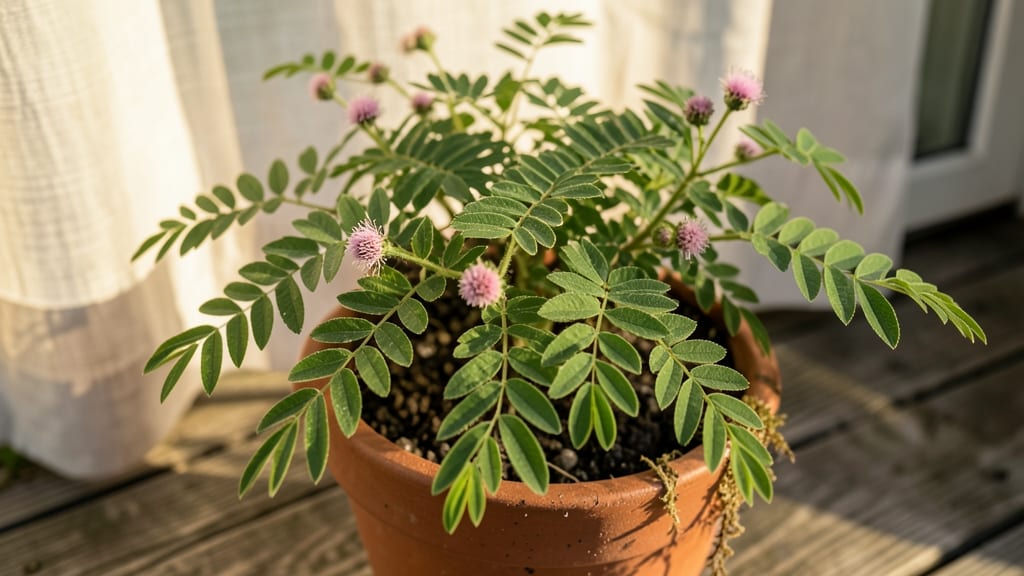
That five-point leaf you’re admiring might belong to a tree with five-point leaf—like the iconic Japanese maple or the bold chinaberry. 🌿 These trees steal the show with their dramatic foliage, but their pruning needs are often misunderstood.
I’ve pruned my chinaberry every spring for five years, and the difference between a scraggly mess and a lush, year-round canopy comes down to timing, technique, and knowing which branches to keep (and which to cut).
The key is late winter or early spring, when the tree’s energy is dormant but about to surge. Look for branches that cross, rub against each other, or grow straight up—they’re the first to go.
Thin out crowded spots by 20-30% to let light and air circulate, and never remove more than 25% of the canopy in one go, or you’ll shock the tree. My chinaberry now has a balanced shape that stays green even in winter, thanks to this simple rule.
You’ll notice new growth within 4-6 weeks of pruning, and the leaves will be brighter, denser, and more vibrant than before. The secret? Cut just outside the branch collar (that swollen bump where the branch meets the trunk) to prevent wounds that invite disease.
It’s not rocket science—just sharp pruners, a clear day, and a little patience. Works for maples, chinaberries, and even some citrus trees with palmate leaves. Here’s how to do it right the first time—no guesswork, just results.
The Science Behind Five-Point Leaves
If you’ve ever spotted a tree with leaves that seem to have an extra point—like a five-pointed star—you might be looking at a natural or pruning-induced phenomenon. While most trees grow leaves with three to seven lobes or points, a five-point leaf structure isn’t just random.
Several factors influence this unique trait, from genetics to environmental stress. Let’s break down the real reasons behind it.
Some tree species are hardwired to produce leaves with five points due to their genetic makeup. For example:
- Maple Trees (Acer spp.): Many maple varieties, like the Norway Maple (Acer platanoides) or Silver Maple (Acer saccharinum), naturally develop leaves with deep lobes—sometimes resembling five points when fully mature. This is a hereditary trait passed down through generations.
- Ginkgo Biloba: While their leaves are more fan-shaped, they can develop a bilobed structure that, under certain conditions, may appear to have five distinct points when viewed from above.
- Hybrid Varieties: Crossbreeding two species (e.g., a three-lobed oak with a five-lobed maple) can result in offspring with leaves that blend traits, sometimes producing five-pointed structures.
Actionable Tip: If you’re growing a tree known for five-pointed leaves, embrace its genetics! Prune to enhance its natural shape rather than fighting it.
Pruning isn’t just about trimming branches—it’s about directing how a tree grows. When you prune strategically, you can encourage the development of five-pointed leaves in some species:
- Selective Trimming of Terminal Buds: Removing the dominant terminal bud (the topmost bud on a branch) can cause lateral buds to grow more vigorously. In some trees, this leads to more lobed or segmented leaves as the plant compensates for lost growth.
- Thinning Out Dense Foliage: Overcrowded branches compete for sunlight and nutrients. By thinning out dense areas, you reduce stress on the tree, allowing it to produce larger, more complex leaves with additional points.
- Heading Back (Shortening Branches): Cutting back a branch by a third can stimulate new growth. In species like maples, this often results in juicier, more pronounced lobes on new leaves.
Pro Tip: Use clean, sharp pruning shears to make cuts just above a leaf node (bud). Avoid tearing the bark, which can stress the tree and lead to uneven growth.
Sometimes, trees grow five-pointed leaves as a survival mechanism in response to their environment. Stress factors like:
- Nutrient Deficiencies: A lack of key nutrients (e.g., nitrogen, magnesium, or zinc) can alter leaf development. For instance, zinc deficiency in maples often causes leaves to grow with extra lobes or points as the tree struggles to maximize photosynthesis.
- Water Stress: Both overwatering and drought can distort leaf shape. In dry conditions, some trees produce thicker, more segmented leaves to reduce water loss.
- Extreme Temperatures: Late frosts or heatwaves during leaf formation can cause abnormal growth patterns, including extra points or irregular shapes.
- Soil pH Imbalances: Acidic or alkaline soil can interfere with nutrient uptake. For example, high soil pH may limit iron availability, leading to deformed leaves in some species.
Fix It: Conduct a soil test to check pH and nutrient levels. Amend soil with compost or fertilizer as needed to restore balance.
Pests and diseases don’t just damage leaves—they can alter their growth entirely. Here’s how:
- Leaf Miner Larvae: These insects burrow into leaves, causing irregular growth patterns. In some cases, the tree may produce extra lobes or points in an attempt to “repair” damaged tissue.
- Fungal Infections (e.g., Anthracnose): Fungi like Anthracnose can distort leaf development, leading to abnormal shapes, including five-pointed structures in susceptible species like maples.
- Viral Infections (e.g., Maple Leaf Blotch): Viruses can cause mosaic patterns or extra segmentation in leaves, mimicking a five-pointed appearance.
Preventative Action: Inspect leaves regularly for holes, discoloration, or unusual growth. Treat pests with organic neem oil or fungicides if needed, and remove infected branches promptly.
Understanding these causes helps you work with your tree’s natural tendencies—whether you’re pruning for aesthetics or troubleshooting unexpected growth. Next, we’ll explore how to encourage (or correct) five-pointed leaves based on your tree’s needs.
Revive & Restore Your Five-Leaf Wonder
If your five-point leaf tree (likely a Pyracantha, Cotoneaster, or Hawthorn) is struggling with sparse foliage, yellowing leaves, or an unruly shape, don’t panic—it’s often fixable with the right care.
Below, we break down common issues and practical solutions to bring back that lush, dramatic greenery year-round. 🌿✨
Cause: Poor pruning habits, lack of seasonal trimming, or neglect. Fix:
Leggy branches or an unbalanced shape can be corrected with strategic pruning. Follow these steps:
- 🔪 Time it right: Prune in late winter or early spring (before new growth starts) or right after flowering (if applicable). Avoid heavy pruning in fall—it can stimulate tender new growth that won’t survive frost.
- 👨🍳 Cut back selectively: Remove up to 1/3 of the plant’s oldest or weakest branches at the base. Use clean, sharp pruners to make angled cuts just above a leaf node or bud.
- 🌿 Shape it up: For a denser look, trim back overly long branches by 1/2 to 2/3. Focus on the interior of the plant to encourage airflow and sunlight penetration.
- ⏰ Repeat annually: Light maintenance pruning in summer (pinching back new growth) keeps the tree compact and bushy.
Pro Tip: 💡 Never top your tree (cutting the main stem flat)—this leads to weak, stubby regrowth. Instead, prune to encourage a natural, full shape.
Cause: Overwatering, underwatering, nutrient deficiency, or disease (like fungal leaf spot). Fix:
| Symptom | Likely Cause | Solution |
|---|---|---|
| 🟡 Yellow leaves (bottom-up) | Overwatering or poor drainage | ✅ Adjust watering: Let soil dry 2–3 inches deep between waterings. Improve drainage by amending soil with compost or perlite. |
| 🟡 Yellow leaves (top-down) | Underwatering or root stress | ✅ Water deeply: Soak the root zone until water drains out the bottom. Mulch with 2–3 inches of organic mulch (like bark or wood chips) to retain moisture. |
| 🍃 Brown, crispy edges | Low humidity or nutrient burn | ✅ Boost humidity: Mist leaves occasionally (especially in dry climates). Fertilize with a balanced, slow-release fertilizer (10-10-10) in spring. |
| 🍄 Black spots or mold | Fungal disease (e.g., anthracnose) | ✅ Fungal treatment: Prune infected branches 1 inch below the spot. Spray with neem oil or copper fungicide (follow label instructions). Improve airflow by thinning dense areas. |
Prevention Tip: 🌡️ Avoid wetting leaves when watering—use drip irrigation or soaker hoses to keep foliage dry and reduce fungal risks.
Cause: Compacted soil, lack of fertilizer, or root damage. Fix:
Stunted growth or no new leaves? Your tree might be hungry or stressed. Try these fixes:
- 💪 Test your soil: Use a DIY soil test kit (available at garden centers) to check pH and nutrient levels. Five-point leaf trees thrive in slightly acidic to neutral soil (pH 6.0–7.0).
- 🍎 Feed it right: Apply a slow-release granular fertilizer in early spring and again after flowering. For a quick boost, use fish emulsion or compost tea mid-summer.
- 🔄 Aerate compacted soil: Loosen soil around the root zone with a garden fork or till in compost or aged manure to improve drainage and nutrient uptake.
- 🌱 Root check: If the tree was recently transplanted or hit by construction, gently scratch the soil surface to inspect for girdling roots (roots circling the trunk). Trim any that restrict growth.
Pro Tip: ✨ For container-grown five-point leaf trees, repot every 2–3 years with fresh potting mix to prevent root-bound stress.
Cause: Freeze-thaw cycles, salt spray (near roads), or lack of winter prep. Fix:
If your tree lost leaves or has brown, brittle branches after winter, it may need recovery care:
- 🌡️ Assess damage: Wait until late spring to prune winter-killed branches—they’ll turn darker brown and crispy. Cut them back to healthy green wood.
- 🛡️ Shield from salt: If near a road, flush the soil with water in early spring to remove salt buildup. Apply mulch to protect roots.
- 💦 Deep water in spring: Water thoroughly once a week (or more in drought) to encourage new growth.
- 🌿 Fertilize lightly: Use a low-nitrogen fertilizer (5-10-10) in early spring to avoid stressing weakened roots.
Prevention Tip: 🎯 Mulch heavily (4–6 inches) in fall with straw or leaves to insulate roots from freezing temperatures.
With these targeted solutions, your five-point leaf tree should bounce back with vibrant foliage and sturdy branches in no time. Consistency is key—stick to a seasonal pruning and care routine, and you’ll enjoy that dramatic, year-round greenery for years to come! 🌳🎉
Frequently asked questions
What are the most common trees with five-pointed leaves?
The most iconic examples include Japanese maples (Acer palmatum), chinaberry trees (Melia azedarach), and horse chestnuts (Aesculus hippocastanum). These trees are prized for their dramatic foliage and adapt well to pruning for shape and density.
Can I grow a five-point leaf tree in a container?
Yes! Dwarf varieties like dwarf Japanese maples or pyracantha thrive in containers. Use a well-draining potting mix and a pot with drainage holes. Repot every 2-3 years and prune regularly to maintain shape. Just ensure it gets at least 6 hours of sunlight daily.
Why do some five-point leaf trees lose their vibrant color?
Color fading often results from nutrient deficiencies (like iron or magnesium), overwatering, or lack of sunlight. Test your soil and fertilize with a balanced formula (10-10-10) in spring. Also, ensure the tree gets at least 4-6 hours of direct sunlight daily for optimal color.
How do I prune a five-point leaf tree to encourage more dramatic foliage?
Focus on selective pruning in late winter or early spring. Remove crossing or weak branches and thin out dense areas by 20-30%. Cut just above a leaf node to stimulate new growth. Avoid heavy pruning—never remove more than 25% of the canopy at once.
Are five-point leaf trees toxic to pets?
Some are! Chinaberry trees (Melia azedarach) and horse chestnuts contain toxins that can harm pets if ingested. Keep these trees away from curious pets or opt for pet-safe alternatives like Japanese maples. Always research before planting near animals.