
Pests and Diseases
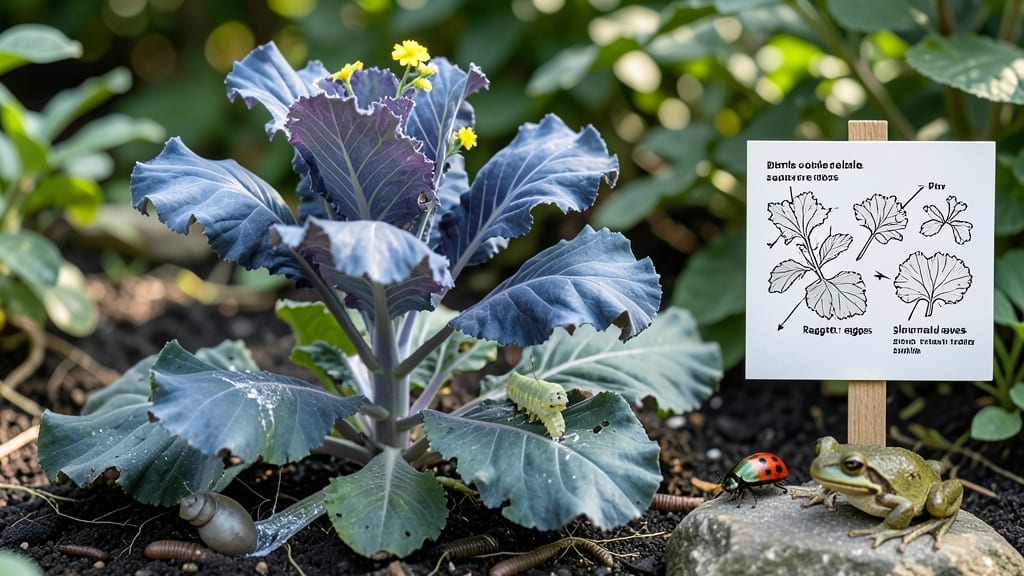
When your plants lose leaves overnight, what eats a leaf is often tiny jaws at work. 🌿 I’ve spent years tracking down the culprits—from ravenous caterpillars to sneaky slugs—and the good news is, most of these leaf-munchers have natural predators that can help you reclaim your garden without harsh chemicals.
The most common leaf-eaters include tent caterpillars (they spin silky webs), Japanese beetles (skeletonize foliage), and slugs (leave slime trails). Each leaves distinct damage: chewed edges, holes, or glossy trails. The key is identifying them early—before they strip your tomatoes, roses, or hostas bare.
You’ll learn how to invite beneficial insects (like ladybugs and lacewings) and use simple barriers (copper tape for slugs, row covers for beetles) to protect your plants. No more helplessly watching your hard work disappear—just targeted, effective solutions that work with nature.
Works for any garden, from containers to full-size beds, and adapts to regional pests. Let’s turn those leaf-eaters into a manageable challenge—starting with the right identification and remedies.
Nature’s Mouths: Why Leaves Vanish
Leaves don’t just disappear into thin air—they’re often the target of a hidden ecosystem of hungry creatures. Whether it’s a slow nibble from a caterpillar or a sudden defoliation by swarms of insects, the "disappearance" of leaves is a survival strategy for herbivores, decomposers, and even some predators.
Understanding why this happens helps gardeners protect their plants while respecting the delicate balance of nature.
Most leaf loss is caused by herbivorous insects and animals that rely on foliage as a primary food source. These creatures have evolved specialized mouthparts—like mandibles, rasping tongues, or piercing-sucking stylets—to efficiently strip nutrients from leaves. Here’s how it breaks down:
- Chewers (Mandibulate Munchers):
Beetles, caterpillars, and grasshoppers use mandibles (jaw-like structures) to bite through leaf tissue. Their saliva often contains enzymes that break down cellulose, making digestion easier. For example, a Japanese beetle can devour an entire rose leaf in minutes, leaving behind a lacy skeleton.
- Suckers (Piercing-Sucking Pests):
Aphids, spider mites, and leafhoppers insert stylets (hollow, needle-like mouthparts) into plant cells to suck out sap. While they don’t consume the entire leaf, their feeding weakens the plant, causing yellowing, curling, or stunted growth.
Some, like aphids, also excrete honeydew, a sugary waste that attracts mold and other pests.
- Scrapers (Rasping Feeders):
Caterpillars of moths and butterflies (e.g., gypsy moth larvae) use mandibles to scrape leaf surfaces, leaving behind a windowpane effect. Their feeding patterns are often irregular, unlike the clean edges left by chewers.
💡 Pro Tip: Look for frass (insect droppings) or silken webs (like those of tent caterpillars) to identify the culprit. Early detection means faster action!
Not all leaf loss is harmful—some creatures break down leaves to return nutrients to the soil. While this process benefits the garden long-term, it can also look like damage if left unchecked:
- Fungi and Bacteria:
Decomposer microbes (like leaf litter fungi) break down dead leaves, but some pathogenic fungi (e.g., powdery mildew) can infect living leaves, causing spots, rot, or premature drop. These organisms release enzymes that dissolve leaf tissue, often leaving behind mushy, discolored patches.
- Detritivores (Leaf Shredders):
Millipedes, slugs, and snails consume decaying leaves but may also attack healthy ones, especially in damp conditions. Their slime trails and irregular holes (often with silver slime) are dead giveaways.
🌡️ Key Factor: High humidity and organic matter buildup create the perfect conditions for decomposers. Rake up fallen leaves and improve drainage to reduce their impact on living plants.
Some leaf loss is indirect—predators or parasites force herbivores to flee, damaging leaves in the process. For example:
- Parasitoid Wasps:
These tiny wasps lay eggs inside caterpillars or beetle larvae. As the larvae grow, they consume the host from within, causing the herbivore to stop feeding or die prematurely. You might see mummified caterpillars or pupal cases hanging from leaves.
- Birds and Lizards:
While they don’t eat leaves, they prey on leaf-eating insects, causing herbivores to scatter and feed more aggressively before being eaten. Sudden spikes in leaf damage after a bird visit? That’s nature’s collateral damage.
✨ Ecological Balance: Predators keep herbivore populations in check. If you notice fewer pests but more leaf damage, it might mean predators are overworking the ecosystem—consider planting native flowers to support natural pest control.
Leaf loss is rarely random—it’s a deliberate act of survival. By recognizing the patterns, signs, and behaviors of these creatures, you can protect your garden without disrupting the natural order. Next up: How to Outsmart These Leaf Lovers.
Protect Your Plants Naturally
Now that you know what’s nibbling on your leaves, it’s time to take action—without resorting to harsh chemicals. The good news? Many of these leaf-munching pests have natural predators or simple, eco-friendly fixes. Below, we’ll match common causes to practical solutions, plus tips to keep your garden thriving long-term.
Fix: Create a slug-proof barrier or lure them away.
- 🔥 Copper tape trick: Wrap copper tape around pots or garden beds—slugs get a mild electric shock and avoid crossing it.
- 🍳 Beer traps: Bury a shallow dish filled with beer near plants. Slugs crawl in and drown (gross but effective!).
- 🌿 Natural repellents: Sprinkle diatomaceous earth (food-grade only) or crushed eggshells around plants—the sharp edges deter slugs.
- 🌙 Handpick at night: Slugs are most active after dark. Shine a flashlight and relocate them to a far-off garden or compost pile.
💡 Prevention tip: Water plants in the morning (not at night) to reduce slug activity, and remove hiding spots like thick mulch or debris.
Fix: Blast them away with water or introduce their natural enemies.
- 👨🍳 Spray with soapy water: Mix 1 tsp mild dish soap in 1 quart of water, then spray directly on pests (avoid overwatering plants).
- 🐝 Invite ladybugs & lacewings: These beneficial insects love aphids. Buy them online or plant flowers like dill and marigolds to attract them.
- 🌿 Neem oil spray: Mix 1 tbsp neem oil with 1 tsp mild soap and 1 quart of water. Spray on leaves to repel and kill soft-bodied insects.
- 🔪 Yellow sticky traps: Hang these near plants to catch flying pests like leafhoppers.
💡 Prevention tip: Encourage biodiversity—birds, frogs, and predatory insects will keep pest populations in check if given a habitat (like a small pond or wildflower patch).
Fix: Use physical barriers or deterrents.
- 🥘 Chicken wire fence: Wrap it around young plants or use it to create a 3-foot-high barrier for rabbits.
- 🌡️ Spicy repellents: Sprinkle cayenne pepper or garlic powder around plant bases—animals dislike the smell.
- 🎯 Motion-activated sprinklers: These startle deer and rabbits without harming them (great for larger gardens).
- 🌳 Plant thorny or aromatic shrubs: Roses, barberry, or lavender can act as natural deterrents.
💡 Prevention tip: Secure trash cans and remove fallen fruit—these attract squirrels and other critters.
Fix: Improve airflow and treat with natural fungicides.
- ⏰ Prune for airflow: Remove crowded branches or overgrown leaves to reduce humidity and fungal growth.
- 🌿 Baking soda spray: Mix 1 tbsp baking soda, 1 tsp oil, and 1 tsp soap in 1 quart of water. Spray on leaves to prevent fungal diseases.
- 🍎 Copper fungicide: Use an organic copper-based spray for stubborn issues like blight or mildew.
- 🌱 Rotate crops: If growing vegetables, avoid planting the same family in the same spot yearly to prevent soil-borne diseases.
💡 Prevention tip: Water at the base of plants (not overhead) and avoid watering late in the day to keep foliage dry.
🌱 Final Thought: Most leaf-eating problems can be solved with a little observation and proactive care. Start with one or two methods, monitor your plants, and adjust as needed. Your garden will thank you!
Frequently asked questions
What are the most destructive leaf-eating pests I should watch for?
Japanese beetles, tent caterpillars, and slugs are the top troublemakers. Japanese beetles skeletonize leaves by chewing between veins, while tent caterpillars spin silky webs and leave irregular holes. Slugs create shiny slime trails and chew smooth-edged holes—often targeting low-growing plants like lettuce and hostas.
How do I tell if my plants are being eaten by insects or animals?
Look for key clues: insects leave frass (tiny droppings), chewed edges, or webbing, while animals (like rabbits) create clean-cut damage and often target whole plants. Slugs leave slime trails, and deer leave large, ragged holes. Check for these signs before treating.
Are there any plants that naturally repel leaf-eaters?
Yes! Planting marigolds, lavender, or basil near vulnerable plants deters many pests. Marigolds repel Japanese beetles, while lavender keeps slugs and rabbits away. Basil also deters aphids and whiteflies. These companion plants work best when planted alongside your main crops.
Will neem oil harm beneficial insects like bees or ladybugs?
Neem oil is generally safe for bees and ladybugs if applied at dusk or dawn when they're less active. Avoid spraying directly on flowers where bees forage. For extra safety, use a 1% neem oil solution (1 tbsp per quart of water) and reapply only when pests reappear.
What should I do if my plants are already heavily damaged?
First, remove severely damaged leaves to prevent further spread. Then focus on revitalizing healthy growth: fertilize with compost, water deeply, and protect new leaves with row covers or neem oil. For persistent pests, introduce beneficial predators like ladybugs or parasitic wasps to restore balance.