
Trees
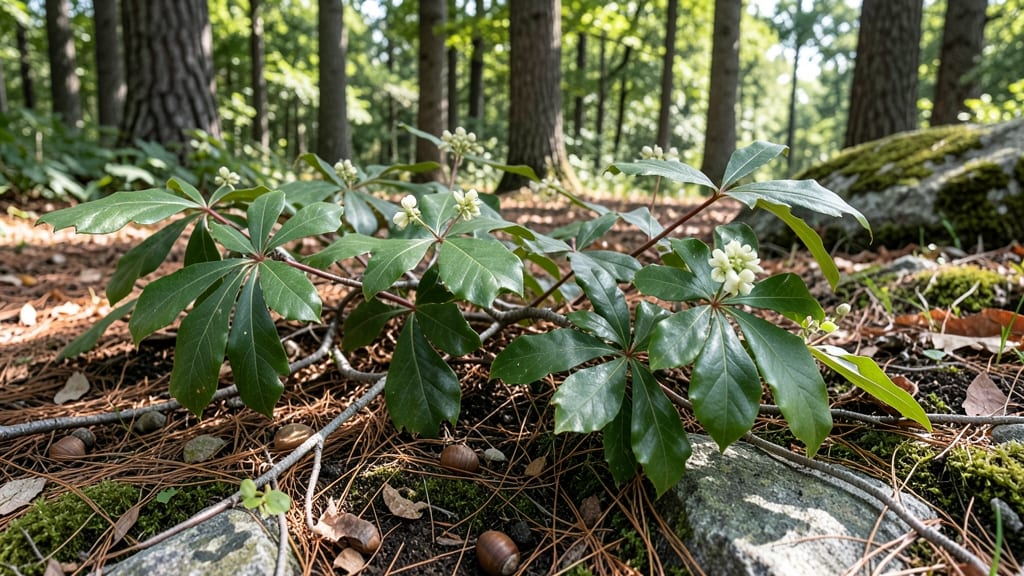
Spotting that 5-leaf poison oak vine can turn a peaceful hike into a rash nightmare—unless you know the trick. 🌿 The "leaves of three, let it be" rule is famous, but poison oak's fifth leaf is where it gets sneaky, often hiding in dense thickets or climbing trees.
One brush against its oily urushiol oil, and you're staring at itchy, blistering welts for days. The good news? Prevention is simpler than you think. Wear long sleeves when hiking, keep pets away from suspicious vines, and learn to spot the telltale fifth leaf before it spots you.
I've spent too many summers treating rashes to ignore this step—trust me, your skin will thank you. When exposure happens, act fast with cold compresses and over-the-counter hydrocortisone. The key is breaking the oil's spread before it binds to your skin.
For stubborn cases, natural remedies like colloidal oatmeal or jewelweed juice can ease the burn without harsh chemicals. This isn't just about avoiding it—it's about reclaiming your outdoor time without fear. Let's tackle this vine the smart way.
How Your Skin Reacts
When you encounter a 5-leafed vine and its irritating oils, your body doesn’t just take it lying down—it launches a full-blown defense. But why does this happen? The answer lies in a mix of chemistry, biology, and your immune system’s overzealous response.
Let’s break down the science behind the itch, the blisters, and the misery.
At the heart of the problem is urushiol, a clear, oily resin found in poison oak (and its cousins, poison ivy and poison sumac). This potent irritant isn’t just on the leaves—it’s in the roots, stems, and even the sap.
When you brush against the vine, the oil clings to your skin like an unwelcome guest at a party.
Urushiol is a contact allergen, meaning it doesn’t cause an immediate reaction like a burn or sting. Instead, it triggers an immune response over 12–48 hours later. Here’s how it works:
- Step 1: The Oil Binds – Urushiol molecules penetrate your skin’s outer layer (the epidermis) and latch onto skin proteins.
- Step 2: Immune Alarm Bells Ring – Your body mistakes urushiol as a harmful invader. Your immune system sends out T-cells (white blood cells) to “attack” the perceived threat.
- Step 3: Inflammation Goes Wild – The T-cells release cytokines (signaling proteins), which trigger inflammation. Blood vessels leak fluid, causing swelling, redness, and those signature blisters.
Pro Tip: 💡 Only 10–15% of people are highly sensitive to urushiol, but repeated exposure can make anyone more reactive over time.
Not everyone who touches poison oak ends up with a raging rash. So, what makes some folks more vulnerable? Genetics, exposure history, and even your skin’s natural barriers play a role.
| Factor | Why It Matters |
|---|---|
| Genetics | If your parents or siblings get severe reactions, you’re more likely to too. Some people inherit a hyper-sensitive immune response to urushiol. |
| Previous Exposure | Each time you’re exposed, your immune system “remembers” urushiol and ramps up its response. First-timers might get mild redness; repeat offenders? Full-blown blisters. |
| Skin Type & Damage | Broken skin (cuts, scrapes, or even dry patches) lets urushiol slip in deeper, worsening reactions. People with eczema or psoriasis may react more severely. |
| Age & Immune Strength | Children often have stronger reactions than adults (their immune systems are still learning). Older adults may also see more intense rashes due to weakened skin barriers. |
Did You Know? 🌡️ Heat and sweat can spread urushiol to other parts of your body—even if you didn’t touch the plant directly!
Ever noticed your poison oak rash flares up after a hot shower or a hike? That’s not your imagination—heat and moisture are rash accelerants. Here’s why:
- Dilated Pores = More Irritation – Sweating opens up your pores, letting urushiol spread deeper into your skin. This intensifies the immune response.
- Bacterial Party Crashers – Moisture creates the perfect environment for bacteria (like Staphylococcus) to thrive in blisters, increasing the risk of infection.
- Itch Feedback Loop – Scratching releases more histamine, which signals your brain to itch even more. Heat makes the itch feel unbearable.
Actionable Tip: ⏰ Cool compresses (not ice-cold) can calm inflammation. Avoid hot showers—lukewarm water is your friend during a breakout.
The itch isn’t just annoying—it’s your body’s way of saying, “Danger! Scratch me!” But why does it feel so relentless? Blame these sneaky science culprits:
- Histamine Overload – Your immune system floods the area with histamine, a chemical that triggers itch receptors in your nerves.
- Nerve Hypersensitivity – Inflammation irritates nerve endings, making them overreact to even the gentlest touch.
- The Scratch-Itch Cycle – Scratching provides temporary relief by stimulating other nerves, but it also damages skin further, letting more urushiol in and prolonging the misery.
Break the Cycle: ✨ Try pressing (not scratching) the itch with a clean, cool cloth. Over-the-counter antihistamines (like Benadryl) can dull the itch signal to your brain.
Quick Fixes for Poison Oak Rashes
If you’ve spotted that telltale three-leaf cluster (or five, in the case of poison oak) and now have an itchy, blistering reaction, don’t panic—there are fast, effective ways to calm the irritation and speed up healing.
The key is acting quickly and using the right treatments for your symptoms. Below, we break down how to treat poison oak rashes naturally and medically, along with prevention tips to avoid future outbreaks.
When poison oak oil touches your skin, it triggers an allergic reaction called urushiol-induced contact dermatitis. The first 24–48 hours are critical—here’s how to stop the itch and reduce swelling fast:
- 🔥 Cold Compresses – Soak a clean cloth in cool (not ice-cold) water and press it gently on the rash for 10–15 minutes, 3–4 times a day.
This numbs the skin and reduces inflammation. - 🧊 Oatmeal Paste – Mix colloidal oatmeal (or finely ground oats) with water to form a paste.
Apply it to the rash—oatmeal has anti-inflammatory properties that soothe irritation. - 🌿 Aloe Vera Gel – Pure aloe vera (no alcohol or fragrances) cools the skin and may help reduce redness. Reapply every few hours. - 💡 Pro Tip: Avoid scratching!
Scratching spreads urushiol oil deeper into your skin, worsening the rash. If it’s unbearable, try over-the-counter antihistamines (like Benadryl) to help with itching.
If the rash spreads, blisters, or you develop a fever, it’s time to see a doctor.
They may prescribe: - 🔹 Topical Steroids (e.g., hydrocortisone cream) – Reduces inflammation and itching. - 🔹 Oral Steroids (e.g., prednisone) – For severe reactions, especially if the rash covers large areas. - 🔹 Antibiotics – If blisters pop and risk infection (signs: increased pain, pus, or warmth).
⚠️ Warning: Never use calamine lotion, baking soda, or bleach—these can irritate the skin further and make symptoms worse.
If you prefer gentle, plant-based solutions, these can help dry out blisters and promote healing:
| Remedy | How to Use | Why It Works |
|---|---|---|
| 🌿 Apple Cider Vinegar | Dilute 1 part ACV with 2 parts water, apply with a cotton ball (don’t soak). | Helps neutralize urushiol and reduces itching. |
| 🌿 Honey (Raw) | Apply a thin layer of raw honey and cover with a bandage overnight. | Antibacterial and anti-inflammatory—speeds up skin repair. |
| 🌿 Tea Tree Oil | Mix 2 drops with 1 tsp coconut oil, dab lightly on affected areas. | Fights infection and reduces redness (test a small patch first!). |
| 🌿 Chamomile Tea | Brew strong tea, cool, and apply with a cloth. | Calms irritation and reduces swelling naturally. |
✨ Pro Tip: Baking soda baths (½ cup in lukewarm water) can help dry out weeping blisters, but pat skin dry gently—don’t rub!
The best way to avoid rashes in the first place is to prevent contact with urushiol oil. Here’s how:
- 👕 Wear Protective Clothing – Long sleeves, pants, and gloves when hiking or gardening in wooded areas. - 🚿 Wash Immediately – If you suspect contact, wash skin with soap and cool water within 5–10 minutes.
Use technical decontaminant wipes (like Tecnu) if available. - 🚫 Avoid Touching Pets & Tools – Urushiol can cling to fur, gardening tools, and clothing for months.
Wash pets and wash clothes separately in hot water. - 🌳 Learn to Identify It – Remember: "Leaves of three, let it be!" (Poison oak, ivy, and sumac all contain urushiol.) - 💡 Pro Tip: Seal outdoor gear (like boots and backpacks) in a plastic bag after exposure to prevent oil transfer indoors.
- ❌ Don’t use petroleum jelly or butter – These can trap urushiol deeper into your skin.
- ❌ Avoid scratching – It spreads the rash and increases infection risk.
- ❌ Don’t ignore spreading symptoms – If redness, swelling, or blisters worsen, see a doctor.
By acting fast and using the right treatments, you can minimize discomfort and heal quicker. And with a little prevention, you’ll keep future poison oak encounters from ruining your outdoor adventures! 🌿💪
Frequently asked questions
How can I tell if a vine is definitely poison oak and not just a harmless lookalike?
Look for three or five glossy, pointed leaves growing in clusters with a reddish stem. Unlike harmless vines, poison oak leaves often have a smooth, waxy texture and may have hairy edges. Rubbing the leaves between your fingers releases a faintly oily residue—urushiol! Avoid touching anything that looks suspicious, especially in wooded or brushy areas.
Can pets bring poison oak oil into my home on their fur?
Urushiol clings to fur for months, so if your pet brushes against the vine, they can track the oil indoors. Wash their paws and fur immediately with mild soap and water, then bathe them thoroughly. Wash any bedding or clothing they wore during the outing in hot water to remove residual oil.
What should I do if I think I’ve been exposed but don’t have symptoms yet?
Act fast! Wash the affected area with cool water and soap within 10 minutes to remove urushiol. Use a technical decontaminant like Tecnu if available. Avoid scratching, and monitor your skin for 12–48 hours—symptoms may take time to appear. If redness or itching develops, start treatments immediately.
Are there any long-term effects from poison oak exposure?
Most people recover fully, but repeated exposure can make reactions more severe over time. Rarely, chronic exposure may lead to eczema-like skin changes or increased sensitivity. If you’re frequently exposed (e.g., landscapers or hikers), consider allergy testing and using protective gear like gloves and long sleeves.