
Flowers
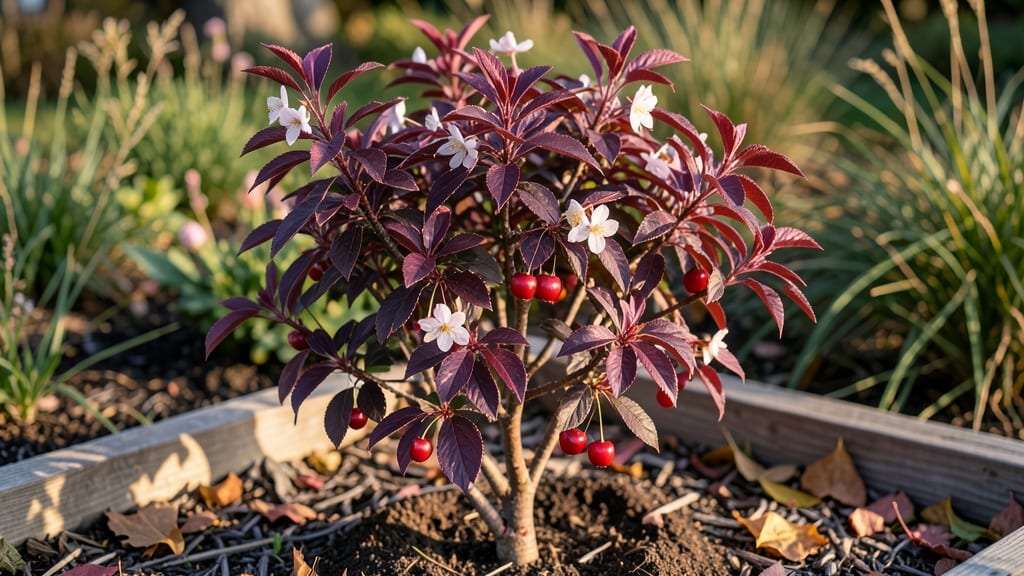
Caring for a purple leaf sand cherry isn’t just about keeping it alive—it’s about turning it into a year-round showstopper with stunning purple foliage that turns heads. 🌿 The secret to maintaining those vibrant leaves isn’t complicated, but it does require a few key adjustments from how you’d care for a regular cherry tree. I’ve learned the hard way that this tree demands well-draining soil, smart pruning, and just the right amount of sun to stay showstopping. This isn’t your average ornamental tree—it thrives on consistent moisture but hates soggy roots, and its branches need strategic cuts to keep that rich color popping. Skip the heavy-handed pruning, and you’ll end up with leggy stems and faded leaves by summer. The payoff? A tree that looks like it belongs in a botanical garden, not just your backyard. By summer’s end, you’ll have a tree with glossy, deep purple leaves that contrast beautifully against white spring blossoms and red summer fruit (yes, it does produce edible cherries, though they’re small). The best part? It stays vibrant even in winter, adding color when most trees have gone dormant. For beginners, the biggest hurdle is balancing water and sunlight—too much shade dulls the foliage, while too little water stresses the roots. But once you nail these basics, this tree becomes the easiest showstopper in your landscape. Let’s get those leaves looking their best.
📚 In This Guide
- What you need
- Instructions
- Tips and common mistakes
- Wrapping up and next steps
What you need
- ● Well-draining potting mix: 5-10 gallons (depending on pot size), specifically formulated for trees or shrubs (e.g., 60% potting soil, 30% perlite, 10% sand).
- ● Pot with drainage holes: 15-20 gallon container (minimum) for mature plants; terracotta or fabric pots are ideal.
- ● Slow-release fertilizer: 1-2 lbs of balanced, organic fertilizer (10-10-10 or 5-5-5) for planting season.
- ● Pruning shears: Bypass pruners (sharp, sterilized) for shaping and maintenance.
- ● Mulch: 2-3 inches of wood chips or bark mulch (avoid piling against the trunk).
- ● Watering can or hose with a gentle spray nozzle: For deep but controlled hydration.
- ○ Stake and ties (optional but recommended for young plants): 1-2 bamboo stakes (1-2 inches in diameter) and soft garden twine.
- ● Soil pH test kit: To monitor acidity (ideal range: 6.0-7.0).
- ● Epsom salt (magnesium sulfate): 1 tbsp per gallon of water for foliar sprays or soil treatment (boosts purple hues!).
- ● Pest control spray: Neem oil or insecticidal soap (preventative measure for aphids/spider mites).
- ● Garden gloves: For comfortable handling during pruning or repotting.
- ● Plant support cage: For larger varieties to maintain shape.
Instructions for keeping your purple Leaf Sand cherry thriving year-round
This striking tree deserves consistent care—here’s how to keep its foliage vibrant and healthy through every season.
🌿 Step 1: Plant in the Perfect Spot with Well-Draining Soil
Purple Leaf Sand Cherries love full sun—at least 6 hours daily—so choose a location where they’ll get morning sunlight and afternoon shade if you’re in a hot climate. I always check the soil first: dig a hole twice as wide as the root ball but no deeper. The roots should sit just below ground level—burying too deep suffocates them.
Mix the existing soil with compost or well-rotted manure to improve drainage. These trees hate soggy roots, so if your soil is heavy clay, amend it with sand or perlite to prevent waterlogging. Press the soil gently around the roots after planting—you want firm but not compacted earth.
☀️ Step 2: Water Deeply but Infrequently
Newly planted Purple Leaf Sand Cherries need 1 inch of water per week, but established trees are drought-tolerant once rooted. Water deeply at the base—avoid overhead sprinkling, which can encourage fungal diseases. I use a soaker hose for 15-20 minutes to saturate the root zone without wetting the leaves.
Check soil moisture by sticking your finger 2-3 inches deep. If it feels dry, water again. Overwatering is the biggest mistake—these trees prefer slightly dry conditions. Mulch around the base with 2-3 inches of organic mulch (like wood chips) to retain moisture and regulate soil temperature.
✂️ Step 3: Prune for Shape and Health in Late Winter
The best time to prune is dormant season (late winter or early spring), before new growth starts. Remove any dead, diseased, or crossing branches first—cut just outside the branch collar to avoid damaging the tree. I also thin out crowded branches to improve airflow, which prevents fungal issues.
Shape the tree by pruning back overgrown branches to maintain an open center. Never remove more than 25% of the foliage at once, or you’ll stress the tree. Sterilize pruners with rubbing alcohol between cuts to prevent spreading disease. A light pruning in midsummer can also encourage bushier growth.
🌱 Step 4: Fertilize Lightly for Vibrant Foliage
Use a balanced, slow-release fertilizer (like 10-10-10) in early spring, just as new leaves emerge. Follow package instructions—over-fertilizing causes leaf burn and weakens the tree. I also add a handful of Epsom salt (magnesium sulfate) to the soil in spring to enhance the purple hues in the leaves.
Skip fertilizer in fall and winter—these trees don’t need extra nutrients when dormant. If your tree’s leaves lose their deep purple color, it might need more phosphorus (the middle number in NPK ratios). A light top-dressing of compost in early spring keeps the soil rich without overdoing it.
⏰ Step 5: Protect in Harsh Winters and Extreme Summers
Purple Leaf Sand Cherries handle cold well, but young trees or severe winters (below 0°F) may need protection. Wrap the trunk with tree wrap to prevent sunscald and rodent damage. I also mound extra mulch around the base for insulation.
In hot summers, watch for leaf scorch—water deeply if the edges turn brown. Provide afternoon shade if your tree is in a scorching location. Mature trees are tougher, but consistent care keeps them looking their best through heat waves and cold snaps.
Tips & tricks for keeping your purple Leaf Sand cherry vibrant
Here's what I've learned after years of watching these stunning trees thrive—and how to avoid the mistakes that ruin them.
Location is Everything: When choosing your planting spot, prioritize morning sun over afternoon shade—this helps prevent leaf scorch during hot afternoons. I've noticed the most vibrant purple foliage develops when trees get that morning sunlight, even if they're in full sun locations. The 6 hours of sun mentioned in Step 1 should be spread throughout the day, not just concentrated in one part.
Soil Test Before Planting: Before amending your soil with compost or sand, do a simple soil test using a DIY kit from your garden center. Purple Leaf Sand Cherries prefer slightly acidic to neutral soil (pH 6.0-7.0). If your soil tests too alkaline, you'll need to add more compost or sulfur to bring the pH down. I've seen trees planted in untested alkaline soil struggle with nutrient deficiencies that cause dull foliage.
Watering Wisdom: The 15-20 minute soaker hose time is perfect for most yards, but adjust based on your soil type. Sandy soil will need more frequent watering (every 5-6 days), while clay soil can go longer between waterings (every 10-12 days). Always water at the base—wetting the leaves encourages fungal diseases that can turn those gorgeous purple leaves brown and spotty. I've learned this the hard way after losing two trees to fungal infections.
Pruning Precision: When pruning in late winter, focus on removing branches that cross each other first—they create weak points where diseases can enter. I've found that using sharp, sterilized pruners makes all the difference in preventing infections. After pruning, wipe your tools with rubbing alcohol between cuts to maintain hygiene. The 25% foliage limit is strict—exceeding it can shock the tree and reduce next year's vibrant color display.
Pro Tips for Caring For An Purple Leaf Sand Cherry
- Here's what I've learned after years of watching these stunning trees thrive—and how to avoid the mistakes that ruin them.
- Location is Everything: When choosing your planting spot, prioritize morning sun over afternoon shade—this helps prevent leaf scorch during hot afternoons.
- Soil Test Before Planting: Before amending your soil with compost or sand, do a simple soil test using a DIY kit from your garden center.
Frequently asked questions
Got questions about keeping your Purple Leaf Sand Cherry thriving? You’re not alone! Here are answers to the most common concerns—from pruning to pests—so you can enjoy its stunning foliage year-round.
How often should I water my Purple Leaf Sand Cherry?
Water deeply once a week during the first growing season to establish roots, then taper to every 10–14 days once established (adjust for drought or extreme heat). Overwatering causes root rot—so ensure well-draining soil!
When and how should I prune it?
Prune in late winter or early spring (before buds swell) to shape the tree and remove dead branches. Use clean, sharp shears to cut just above a bud or branch collar. Avoid heavy pruning—this tree thrives with minimal intervention!
What pests or diseases should I watch for?
Common issues include aphids, spider mites, and powdery mildew. Spray with neem oil for pests or improve airflow to prevent mildew. Keep an eye on leaves—yellowing or spots signal trouble! Act fast to avoid spread.
Can Purple Leaf Sand Cherry survive cold winters?
Yes! This hardy tree tolerates USDA Zones 5–8. Mulch the base in winter for extra protection, and avoid heavy pruning in late fall (it can stress the tree). Bonus: Its purple leaves turn red in winter—a stunning seasonal show!
What’s a good alternative if I can’t grow this tree?
Try ‘Royal Purple’ Smokebush (Cotinus) or ‘Oakleaf Hydrangea’ for similar vibrant foliage with lower maintenance. Both offer year-round interest and thrive in similar climates!
Wrapping up and next steps
Caring for your Purple Leaf Sand Cherry is a rewarding journey that brings year-round beauty to your garden! With the right soil, sunlight, and seasonal attention, this stunning shrub will thrive and dazzle with its vibrant foliage and delicate blooms. 🌿✨
Now that you’re armed with the secrets to its success, why not take the next step? Plant one today and enjoy the satisfaction of nurturing a low-maintenance yet breathtaking addition to your landscape. Happy gardening! 🌱💜