
Aphids
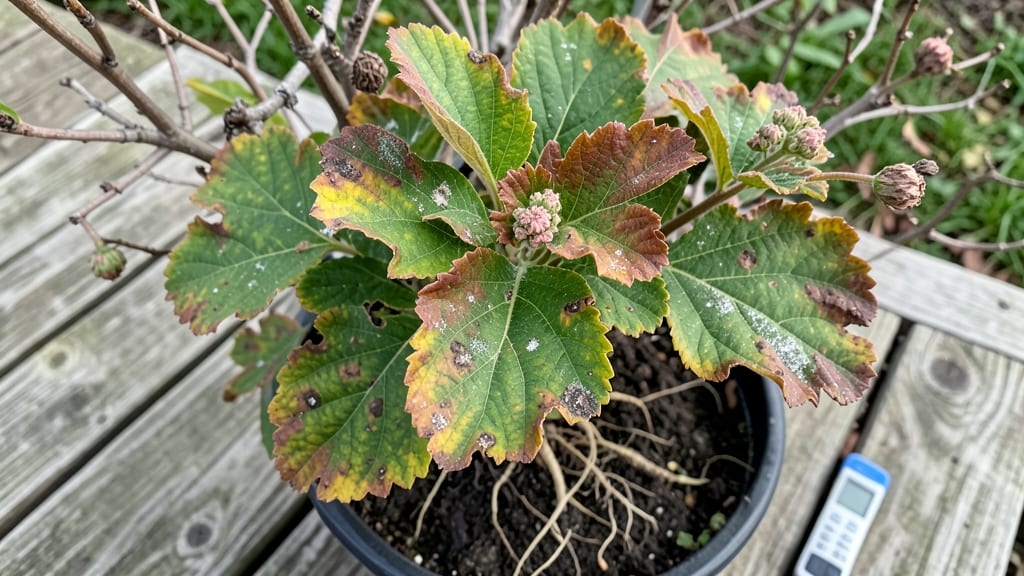
The oakleaf hydrangea problems can turn into a gardener’s nightmare when aphids swarm or leaves curl into useless fronds. 🌿 I’ve watched my once-vibrant plants struggle with sticky leaves and stunted growth, and I’ve cracked the code to bring them back—without harsh chemicals.
The key? Spotting the problem early and acting fast. Aphids love oakleaf hydrangeas because they’re soft and sweet, but their honeydew attracts sooty mold, turning leaves black. Leaf curl? Often a sign of stress—too much sun, not enough water, or even a fungal infection.
The good news? Most issues fix themselves with the right care, and I’ll show you exactly how. By the end, your hydrangea will bounce back with bold, healthy leaves and those signature oak-shaped blooms.
You’ll recognize the early warning signs, know when to prune, and even adjust your watering routine to prevent future problems. This works for any oakleaf hydrangea, whether it’s in full sun or partial shade. Let’s get those plants thriving again!
Root Causes of Oakleaf Hydrangea Struggles
Oakleaf hydrangeas (Hydrangea quercifolia) are prized for their stunning foliage and vibrant blooms, but when issues arise, they often stem from a mix of environmental stress, pest pressure, and cultural mismanagement.
Understanding why these problems occur is the first step to restoring your plant’s health. Below, we break down the science behind the most common culprits—from microscopic invaders to overlooked care habits.
Oakleaf hydrangeas are particularly vulnerable to aphids, mites, and fungal pathogens due to their broad, lush leaves and tender new growth. Here’s how these threats take hold:
Aphid Outbreaks: The Sap-Sucking Menace
Aphids thrive on oakleaf hydrangeas because their soft, new leaves are an all-you-can-eat buffet. These tiny insects insert their mouthparts into plant tissues to extract sap, weakening the plant and excreting sticky honeydew, which attracts sooty mold—a secondary fungal problem.
- Why they strike: Aphids are mobile and spread rapidly via wind, insects, or even garden tools. They prefer young, tender growth (like spring shoots) because it’s easier to penetrate than mature leaves.
- Environmental triggers:
- 🌱 Over-fertilization with nitrogen (especially fast-release fertilizers) boosts succulent growth, making leaves more appealing to aphids.
- 🌡️ Warm, dry conditions slow down natural predators (like ladybugs) and stress the plant, making it more susceptible.
- 🌧️ Poor air circulation (from dense plantings or overcrowding) creates humid microclimates, ideal for aphid reproduction.
- Tell-tale signs: Curled, yellowing leaves, white/black clusters on stems, or a sticky residue on lower leaves.
Fungal Infections: When Moisture Meets Weakness
Leaf curl and fungal diseases (like powdery mildew or anthracnose) exploit stressed hydrangeas. These pathogens thrive when:
- Leaves stay wet too long (from overhead watering, poor drainage, or high humidity). Fungal spores germinate in 6–12 hours of moisture.
- Plant stress (drought, nutrient deficiency, or physical damage) lowers the plant’s defenses, making it easier for fungi to invade.
- Old, diseased debris left in the soil over winter harbors spores, ready to reinfect in spring.
Even the hardiest oakleaf hydrangeas can spiral into decline if their basic needs aren’t met. These oversights create the perfect storm for pests and diseases:
Overwatering: The Silent Growth Killer
Oakleaf hydrangeas need consistent moisture, but too much water suffocates roots and invites fungal problems. Here’s how it backfires:
- Compacted, waterlogged soil cuts off oxygen to roots, leading to root rot (caused by Phytophthora fungi). Weak roots can’t support the plant, making it more vulnerable to pests.
- Fungal footprints: Overhead watering wets foliage, creating conditions for powdery mildew (white, powdery patches) or leaf spot (brown, crinkled leaves).
- Nutrient leaching: Excess water washes away essential nutrients like potassium and calcium, weakening the plant’s immune response.
Poor Soil Conditions: The Foundation Fails
Oakleaf hydrangeas prefer acidic, well-draining soil rich in organic matter. When soil pH or texture is off, problems cascade:
| Issue | Why It Happens | Result for Hydrangeas |
|---|---|---|
| ⬇️ High pH (alkaline soil) | Lack of organic matter or limestone in soil raises pH over time. | Nutrient deficiencies (especially iron and manganese), leading to yellowing leaves (chlorosis) and stunted growth. |
| 🏗️ Compacted soil | Heavy foot traffic, clay soil, or lack of mulch compresses soil. | Poor drainage → root rot → aphid infestations (stressed plants attract pests). |
| 🍄 Lack of organic matter | No compost or mulch added over years. | Soil can’t retain moisture or nutrients → drought stress → leaf curl and pest attacks. |
Pruning at the Wrong Time
Timing matters! Pruning oakleaf hydrangeas after mid-summer removes next year’s flower buds, but pruning too late in fall or early spring can stress the plant:
- Late fall pruning exposes fresh cuts to winter cold, increasing risk of bacterial infections.
- Early spring pruning (before buds swell) removes protective foliage, leaving the plant vulnerable to aphids and frost damage.
- Over-pruning reduces leaf surface area, limiting the plant’s ability to photosynthesize and fend off pests.
Oakleaf hydrangeas are adaptable, but extreme conditions push them to their limits:
Temperature Swings: Cold Snaps and Heatwaves
These plants handle USDA Zones 5–9, but sudden shifts can trigger problems:
- Late spring frosts damage tender new growth, making leaves more attractive to aphids (which seek out stressed plants).
- Summer drought causes leaves to curl inward to conserve moisture, trapping humidity and inviting powdery mildew.
- Winter desiccation (dry winds + sun) can scorch leaves, weakening the plant for the next growing season.
Sun Exposure: Too Much or Too Little
Oakleaf hydrangeas prefer partial shade (4–6 hours of sun). When light conditions are off:
- Too much sun (especially in hot climates) leads to leaf scorch (brown, crispy edges) and aphid infestations (stressed leaves produce more sugars, attracting pests).
- Too little sun results in leggy, sparse growth, making the plant more susceptible to fungal diseases (poor air circulation in shaded areas).
How to Fix Oakleaf Hydrangea Issues
When your oakleaf hydrangea starts showing signs of stress—whether it’s aphid attacks, curled leaves, or stunted growth—don’t panic! With the right approach, you can nurse it back to health and even prevent future problems.
Below are practical, step-by-step solutions tailored to the most common issues, plus pro tips to keep your plant thriving.
Aphids are sneaky pests that suck the life out of your hydrangea, leaving behind sticky residue (honeydew) and weakened foliage. Here’s how to eliminate them and protect your plant:
🔥 Immediate Action: Manual Removal (Best for Small Infestations)
- Inspect daily – Check the undersides of leaves and new growth where aphids love to hide.
- Blast them off – Use a strong stream of water from your hose to dislodge aphids.
Repeat every 2–3 days for a week. 3. Wipe down leaves – Dampen a soft cloth or sponge with soapy water (1 tsp mild dish soap per quart of water) and gently scrub infested areas.
🍳 Natural Sprays: Safe & Effective
If aphids persist, try these non-toxic solutions:
- Neem oil spray (🌿 repels and suffocates aphids)
- Mix 1 tbsp neem oil + 1 tsp mild soap + 1 quart water.
- Spray early morning or late evening (avoid direct sun—it can burn leaves).
- Reapply every 5–7 days until aphids disappear.
- Insecticidal soap (🧼 breaks down aphid protective layers)
- Follow label instructions—usually 1–2 tbsp per gallon of water.
- Spray directly on aphids (focus on undersides and buds).
- Homemade garlic spray (🧄 aphids hate the smell!)
- Blend 2 cloves garlic + 1 quart water, strain, and add 1 tsp soap.
- Spray weekly for prevention.
👨🍳 Chemical Defense (Last Resort)
If infestations are severe, use pyrethrin-based sprays (derived from chrysanthemums). Always follow label instructions and reapply after rain.
💡 Pro Tip: Introduce ladybugs or lacewings—these natural predators devour aphids and won’t harm your plant!
Curled, puckered, or deformed leaves usually signal fungal infections, nutrient deficiencies, or environmental stress. Here’s how to diagnose and fix the issue:
🌡️ Check the Cause First
| Symptom | Likely Cause | Quick Fix |
|---|---|---|
| Yellowing + curling | Overwatering or poor drainage | Let soil dry between waterings; improve drainage |
| Brown edges + curl | Underwatering or heat stress | Water deeply 2x/week; mulch to retain moisture |
| Black spots + curl | Fungal disease (e.g., powdery mildew) | Apply baking soda spray (1 tsp baking soda + 1 quart water + soap) |
| Stunted, curled new growth | Nutrient deficiency (iron, nitrogen) | Fertilize with balanced hydrangea food or chelated iron |
🔪 Treatment Steps
- Prune affected leaves – Cut off severely curled or spotted leaves with clean pruners to prevent spread.
- Improve airflow – Trim back overgrown branches or nearby plants to reduce humidity around leaves.
- Adjust watering habits – - Overwatered? Let the top 2 inches of soil dry out before watering again. - Underwatered? Water deeply 2–3 times per week (early morning is best).
- Fungal issues? – - Spray with copper fungicide (for serious infections) or hydrogen peroxide (3%) (1 part H₂O₂ to 4 parts water). - Prevent recurrence by avoiding overhead watering.
✨ Pro Tip: Mulch with 2–3 inches of organic matter (like shredded bark) to regulate soil temperature and moisture, reducing stress.
If your oakleaf hydrangea is weak from multiple issues, follow this 3-step recovery plan:
- 🌿 Trim for Health
- Remove
- Cut back overly leggy stems to encourage bushier growth.
- 💪 Feed It Right
- Use a
- For blue blooms, add aluminum sulfate (follow package instructions).
- For pink blooms, avoid aluminum and use lime if soil is too acidic.
- 🏡 Optimize Its Home
- Soil: Amend heavy clay with compost for better drainage.
- Winter care: Mulch heavily (4–6 inches) in Zone 5 and colder to protect roots.
🎯 Final Prevention Checklist ✅ Inspect weekly for pests/disease (catch problems early!). ✅ Water at the base (avoid wetting leaves to prevent fungus). ✅ Fertilize seasonally (spring + early summer). ✅ Prune in late winter (before new growth starts). ✅ Monitor soil pH (test every 2 years—hydrangeas love 5.5–6.2 for best color).
With these fixes, your oakleaf hydrangea will bounce back stronger—and you’ll be the hero of your garden! 🌿💚
Frequently asked questions
Why do my oakleaf hydrangea leaves turn brown and crispy at the edges?
This is usually leaf scorch, caused by too much direct sun or underwatering. Oakleaf hydrangeas prefer partial shade (4-6 hours of sun). If your plant gets afternoon sun, provide afternoon shade. Water deeply 2-3 times per week and mulch with 2-3 inches of organic matter to retain moisture.
How do I know if my hydrangea has aphids or just needs more water?
Aphids leave sticky residue (honeydew) on leaves and stems, while underwatering causes dry, curled edges. Check for tiny white/black clusters on new growth. If you see aphids, blast them off with water first, then use neem oil spray (1 tbsp neem + 1 tsp soap per quart of water).
Can I prune my oakleaf hydrangea in summer without ruining next year's flowers?
Yes, but only light pruning is safe in summer. Oakleaf hydrangeas bloom on old wood, so avoid heavy pruning after mid-June. Remove only dead or diseased branches or trim back overly leggy stems by 1/3 to improve airflow. Save major pruning for late winter before buds swell.
Why are my hydrangea leaves curling upward instead of outward?
Upward curling often signals fungal stress (like powdery mildew) or nutrient deficiency. Improve airflow by trimming nearby plants, and avoid overhead watering. For fungal issues, spray with baking soda solution (1 tsp baking soda + 1 quart water + 1 tsp soap). If leaves are pale yellow, fertilize with chelated iron for chlorosis.
How often should I fertilize my oakleaf hydrangea, and what's the best type?
Use a balanced hydrangea fertilizer (like 10-10-10 NPK) in early spring and again in early summer. For blue flowers, add aluminum sulfate; for pink, avoid aluminum. Never fertilize in fall—it encourages tender new growth vulnerable to winter damage. Mulch with compost yearly for slow-release nutrients.