
Diseases
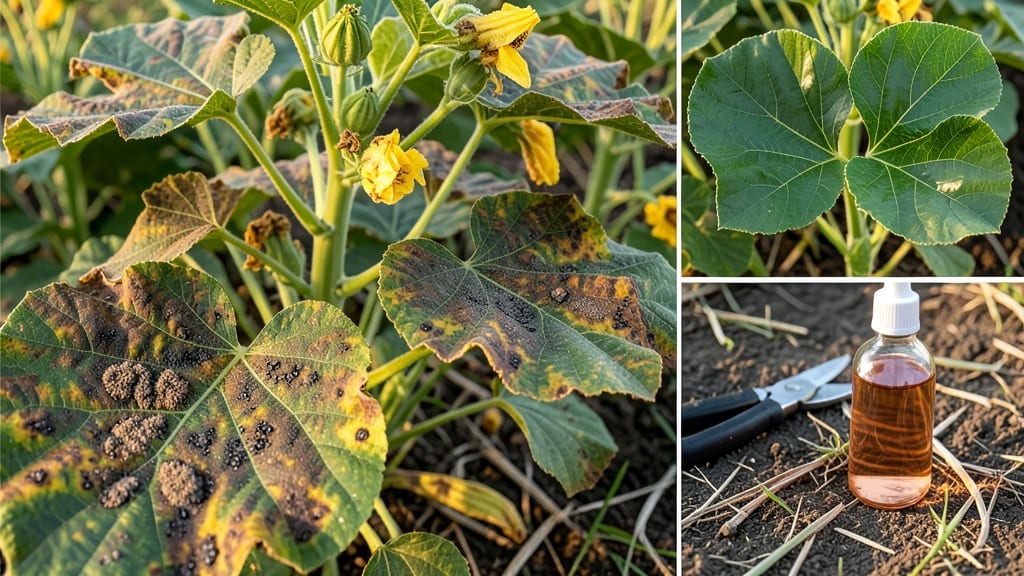
When the okra leaf diseases start showing up as yellow splotches on your leaves—like someone ran a green paintbrush over them—it’s time to act. 🌱 I’ve seen powdery mildew turn lush okra plants into sad, stunted shadows—until I learned to spot the early signs and fight back with simple fixes.
The key is catching problems before they spread, whether it’s fungal spots, bacterial blights, or those pesky yellowing leaves that mean trouble.
Most leaf diseases pop up when okra gets too wet, crowded, or stressed. Poor airflow from tight spacing lets fungi thrive, while overhead watering keeps leaves damp for hours—perfect for bacterial infections.
I’ve had my best luck keeping plants spaced 18-24 inches apart and watering at the base, never from above. A quick check for yellowing or spotted leaves every few days saves entire plants.
Once you spot the issue, organic sprays like neem oil or copper fungicide can turn things around. For powdery mildew, a baking soda mix (1 tablespoon per gallon of water) works like magic.
The goal is to restore those deep green leaves and keep your okra producing pods all season long—no more sad, spotted failures.
Prevention is easier than cleanup, and it starts with how you grow. Rotate crops yearly to starve soil-borne diseases, pull weeds that harbor pests, and give your okra plenty of room to breathe. I’ve found that healthy soil packed with compost means stronger plants that fight off problems naturally.
Even in humid summers, these simple steps keep my okra thriving—no more mysterious leaf diseases ruining my harvest.
Root Causes Behind Leaf Troubles
Okra leaves don’t just wilt or spot out of nowhere—they’re sending you a distress signal. Understanding the why behind these issues is the first step to fixing them. Let’s break down the science and environmental triggers that turn your okra plants into a disease buffet.
Fungi are the sneaky culprits behind many okra leaf diseases. These microscopic organisms thrive in warm, humid conditions—perfect for tropical crops like okra. Here’s how they strike:
- Pathogen Entry Points: Fungal spores land on leaves, often through splashing water (like rain or overhead irrigation).
Once settled, they germinate and penetrate the leaf surface via natural openings like stomata (tiny pores) or through physical damage (e.g., insect bites or rough handling). - Moisture Love: High humidity (above 70%) and prolonged leaf wetness create the ideal breeding ground.
Fungi like Colletotrichum (causing anthracnose) or Alternaria (leaf blight) release enzymes that break down leaf cell walls, leading to lesions or wilting. - Temperature Tolerance: Most fungal pathogens prefer temperatures between 75–85°F (24–29°C).
If your okra is growing in a greenhouse or hot climate, fungal pressure spikes during these windows. - Weakened Plants: Stressed okra (from drought, nutrient deficiency, or poor drainage) has thinner cell walls, making it easier for fungi to invade.
💡 Pro Tip: Rotate crops annually to starve out soil-borne fungi, and avoid overhead watering to keep leaves dry.
Bacteria are fast-acting troublemakers, often spreading via contaminated tools, wind, or even your hands. Here’s how they exploit okra leaves:
- Waterborne Spread: Bacteria like Xanthomonas (causing bacterial leaf spot) hitch rides on water droplets.
Once inside the leaf, they multiply in the vascular system, clogging xylem vessels and disrupting water flow—leading to yellowing or wilting. - Open Wounds: Insect damage (e.g., aphids or thrips) or physical trauma (e.g., hail) create entry points.
Bacteria flood in, triggering immune responses that manifest as dark, water-soaked spots. - Warm, Wet Conditions: Bacteria thrive in temperatures above 80°F (27°C) and high humidity.
Unlike fungi, they don’t need organic matter to survive—they can colonize healthy tissue directly. - Systemic Infection: Some bacteria (like Pseudomonas) can move from leaves to stems, causing vascular diseases that stunt growth or kill plants entirely.
✨ Action Step: Sterilize pruners with rubbing alcohol (70% isopropyl) between cuts to prevent bacterial hitchhiking.
Viruses are the silent saboteurs—often spread by insects (like aphids or whiteflies) or contaminated tools. They hijack the plant’s cells to replicate, leading to:
- Vector Transmission: Aphids feeding on infected plants pick up viruses (e.g., Okra Yellow Mottle Virus) and transmit them to healthy okra via their saliva.
Once inside, the virus spreads systemically, causing mosaic patterns, stunting, or leaf curling. - No Cure, Only Prevention: Viruses can’t be treated once established.
Your best defense is preventing spread: - Remove infected plants immediately (bag and dispose of them). - Use yellow sticky traps to monitor and reduce aphid populations. - Grow virus-resistant okra varieties if available in your region. - Stress as a Trigger: Weakened plants (from drought, poor soil, or nutrient deficits) are more susceptible to viral infections.
🎯 Prevention Focus: Healthy plants are resilient. Prioritize balanced fertilization (especially potassium) and proper irrigation to bolster okra’s natural defenses.
Not all leaf issues come from pathogens—sometimes, the environment itself is the problem. Okra is tough, but it has limits:
- Extreme Heat or Cold: Temperatures above 95°F (35°C) or below 50°F (10°C) can cause leaf scorch (brown, crispy edges) or stunted growth.
Okra is tropical—it needs consistent warmth. - Water Woes: - Overwatering: Soggy soil leads to root rot (Phytophthora or Pythium), which starves leaves of nutrients, causing yellowing or dropping. - Underwatering: Drought stress makes leaves tough and brittle, inviting fungal/bacterial infections. - Poor Airflow: Dense plantings or lack of pruning trap humidity near leaves, creating fungal hotspots.
Aim for 18–24 inches of spacing between okra plants. - Nutrient Imbalances: - Nitrogen Deficiency: Pale, yellowing leaves (starting with older leaves) signal a lack of nitrogen, weakening the plant’s disease resistance. - Magnesium Deficiency: Interveinal chlorosis (yellowing between veins) makes leaves vulnerable to pathogens.
🔥 Quick Fix: Mulch with straw or wood chips to regulate soil temperature and retain moisture without overwatering.
Some pests don’t just damage leaves—they pave the way for diseases.
For example: - Aphids inject toxins while feeding, causing leaf curl and attracting fungal spores. - Whiteflies excrete honeydew, a sticky sugar that promotes sooty mold (a black fungal growth). - Spider Mites puncture leaves, creating entry points for bacteria.
🛡️ Defense Strategy: Use neem oil or insecticidal soap to control pests before they become a disease gateway.
Fixing Fungal and Bacterial Blights
Okra leaves may look like a war zone when fungal or bacterial diseases strike, but don’t panic—there are organic, effective ways to restore your plants to health. Below, we break down cause-specific solutions, from immediate fixes to long-term prevention, so you can tackle each issue like a pro.
Fungi thrive in damp, shady conditions, but you can starve them out with these steps:
🔥 Step 1: Remove Infected Leaves Immediately
- Why? Fungal spores spread like wildfire—removing infected foliage cuts off their food source.
- How? Snip off yellowed, spotted, or powdery leaves with sterilized scissors (wipe with rubbing alcohol between cuts).
- Pro Tip: 💡 Don’t compost infected leaves—toss them in the trash to prevent reinfection.
🍳 Step 2: Apply a Baking Soda-Fungicide Spray
- Recipe: Mix 1 tsp baking soda + 1 tbsp vegetable oil + 1 tsp dish soap + 1 gallon water.
Stir well. - Why? Baking soda raises the leaf’s pH, making it inhospitable for fungi, while oil smothers spores. - How? Spray early morning or late evening (avoid direct sunlight—it burns leaves). Reapply every 7–10 days until new growth appears.
👨🍳 Step 3: Boost Air Circulation & Light - Why? Fungi love humidity.
Improving airflow dries leaves faster, preventing spores from settling. - How? - Prune nearby weeds or plants shading your okra. - Space okra plants 12–18 inches apart (if overcrowded). - Use fan clips (small USB fans) on plants for mild airflow.
🌡️ Step 4: Prevent Future Outbreaks with Copper Sprays
- Why? Copper disrupts fungal cell walls—it’s a preventive powerhouse.
- How? Use copper fungicide (like Bonide Copper Fungicide) every 2 weeks during rainy seasons.
- Pro Tip: ✨ Rotate with neem oil (1 tbsp neem oil + 1 tsp soap per gallon of water) to avoid resistance.
Bacteria spread through water splashes and contaminated tools. Here’s how to quarantine and cure:
🔪 Step 1: Prune & Sterilize Aggressively
- Why? Bacterial infections worsen fast—cut out damaged leaves and sterilize pruners between cuts (bleach dip: 1 part bleach to 10 parts water).
- How? Remove only the worst spots—don’t over-prune, or the plant weakens.
🥘 Step 2: Use a Hydrogen Peroxide Spray (3%)
- Recipe: Mix 1 tbsp 3% hydrogen peroxide + 1 quart water.
- Why? Hydrogen peroxide kills bacteria on contact without harming plants.
- How? Spray every 3–4 days until symptoms fade. Test on 1 leaf first—some plants are sensitive.
⏰ Step 3: Adjust Watering Practices
- Why? Bacteria hitchhike on water droplets. Watering at the base (not overhead) reduces spread.
- How?
- Use drip irrigation or a soaker hose.
- Water early in the day so leaves dry quickly.
- Avoid late-night watering (humidity = bacterial buffet).
🎯 Step 4: Strengthen Plant Immunity with Compost Tea
- Why? Healthy soil = stronger plants. Compost tea introduces beneficial microbes that outcompete pathogens.
- How? Brew 1 cup compost in 5 gallons water, steep for 24–48 hours, then spray on leaves and soil.
Once you’ve treated an outbreak, lock in your success with these habits:
| Problem | Prevention Fix | When to Do It |
|---|---|---|
| Powdery Mildew | Plant resistant varieties (e.g., ‘Clemson Spineless’). | Before planting season. |
| Leaf Spot | Rotate crops—don’t plant okra in the same spot yearly. | Every 2–3 years. |
| Downy Mildew | Mulch with straw (keeps soil dry). | After planting. |
| Bacterial Blight | Solarize soil (cover with clear plastic for 4–6 weeks). | Before new planting season. |
- 💡 Pro Tip: Interplant okra with marigolds or garlic—their natural antimicrobial properties repel pests and diseases!
Final Note: Patience is key—some treatments take 2–3 weeks to show results. Monitor daily, adjust as needed, and soon your okra will be disease-free and thriving! 🌿💪
Frequently asked questions
What are the most common signs of fungal infections on okra leaves?
Look for white powdery coatings (powdery mildew), dark circular spots with yellow halos (leaf spot), or grayish mold on undersides (downy mildew). Fungal infections often appear first on older leaves and spread rapidly in humid conditions.
How can I tell if my okra leaves have bacterial spots or fungal spots?
Bacterial spots appear as dark, water-soaked lesions with yellow borders, often oozing when wet. Fungal spots usually have concentric rings and dry out. Bacterial infections spread faster and cause wilting, while fungi create powdery or moldy textures.
Is it safe to use chemical fungicides on okra?
Yes, but use them as a last resort—organic options like copper fungicide or neem oil work well first. If you must use chemicals, follow label instructions carefully and avoid spraying when pods are forming to prevent residue. Always wear protective gear.
Can I still harvest okra pods if the leaves have diseases?
Yes, but remove heavily infected leaves first. The pods grow from the plant's center and are less affected. Just avoid harvesting from plants with severe systemic infections (like bacterial blight) where pods may also be contaminated.
Why do my okra leaves turn yellow even when I'm watering properly?
Yellowing can indicate nutrient deficiencies (like nitrogen or magnesium), poor drainage causing root rot, or viral infections. Check soil pH (6.0-6.8 is ideal) and test for deficiencies. Yellowing between veins often signals magnesium deficiency.