
Diseases
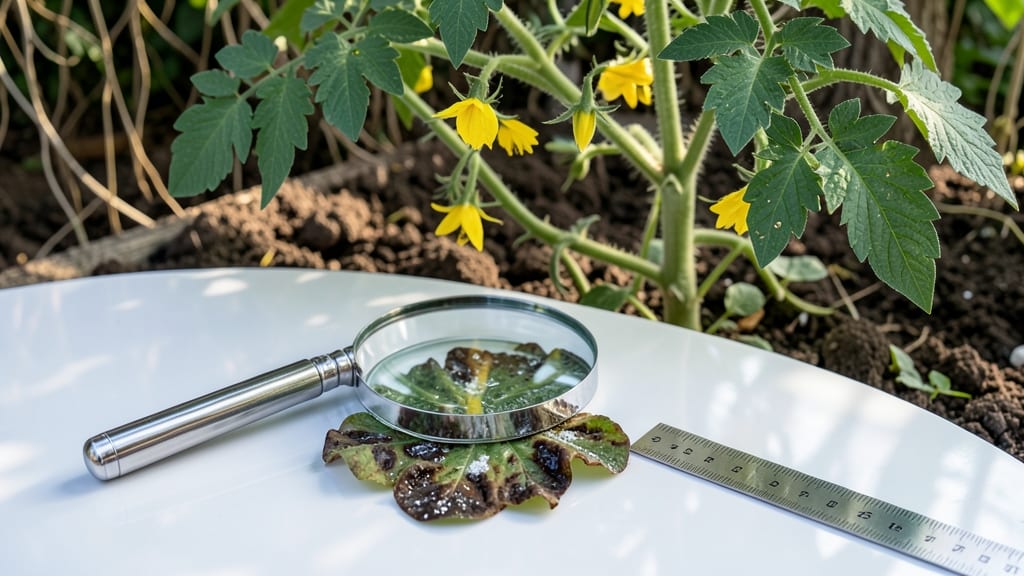
Your tomato plants' leaf diseases are trying to tell you something—if you know what to look for in these pictures. 🌿 The first step to saving your crop is learning to spot early blight's concentric rings, late blight's greasy brown patches, or powdery mildew's white dust.
These diseases don't just ruin leaves; they steal your harvest if ignored.
I've seen gardeners lose entire plants because they mistook yellowing for nutrient deficiency instead of disease. The good news? Each problem has a distinct look—and a solution.
We'll cover the most common fungal spots, what causes them, and how to treat them before they spread. No more guessing games in your garden.
With the right pictures and descriptions, you'll spot these issues early and stop them in their tracks. Think crisp, dark-green leaves instead of spotted, wilting messes. Your tomatoes deserve better—and so do you. Let's get your plants back to thriving.
This works for backyard gardens, containers, and even greenhouse setups. The key is acting fast once you recognize the symptoms. Here's exactly what to watch for and how to respond.
Understanding Root Causes
Tomato leaf diseases rarely appear out of nowhere—they’re usually the result of a perfect storm of environmental factors, poor gardening practices, or even the plant’s own biology. Let’s break down the why behind the most common tomato leaf issues, so you can prevent them before they strike.
Fungi thrive in moist, warm, and stagnant conditions, and tomato leaves are a buffet. Here’s how they exploit your plants:
- High Humidity + Poor Airflow Fungi like Alternaria, Septoria, and Early Blight love to spread when leaves stay wet for long periods. Overcrowded plants or dense foliage trap moisture, creating a fungal paradise. Think of it like a damp gym sock—ideal for bacteria and fungi!
- Water Droplets on Leaves Overhead watering (especially in the evening) splashes spores onto leaves, giving fungi a direct entry point. Drip irrigation or soaker hoses keep foliage dry and reduce spore dispersal.
- Old or Weakened Leaves Fungi target stressed or senescent (aging) leaves first. If your tomato plant is nutrient-deficient, overwatered, or struggling with pests, it’s more vulnerable. Prune regularly to improve airflow and remove infected leaves immediately.
Bacteria like Pseudomonas (cause of bacterial spot) and Xanthomonas (bacterial speck) don’t need spores—they hitchhike on water, tools, or even your hands. Here’s how they gain a foothold:
- Contaminated Water or Tools Using the same pruners, watering cans, or gloves on infected and healthy plants transfers bacteria. Sanitize tools with 70% rubbing alcohol between uses.
- Warm, Rainy Weather Bacteria multiply rapidly in temperatures between 75–85°F (24–29°C) with frequent rain. Avoid working in gardens when leaves are wet to prevent spreading.
- Physical Damage to Leaves Hail, strong winds, or rough handling create open wounds where bacteria can enter. Use row covers in storm-prone areas to protect foliage.
Tomatoes under stress are like open invitations to pathogens. Common stressors include:
- Overwatering or Poor Drainage Soggy soil suffocates roots, making plants more susceptible to fungal infections like Phytophthora (root rot). Use raised beds or containers if your soil drains poorly.
- Nutrient Deficiencies Lack of magnesium (Mg), potassium (K), or calcium (Ca) weakens cell walls, making leaves more prone to diseases like early blight or leaf curl. Test your soil and amend with compost or balanced fertilizer.
- Extreme Temperature Swings Sudden heat or cold shocks disrupt the plant’s natural defenses. Mulch heavily to regulate soil temperature and protect roots.
Some pests don’t just damage leaves—they create wounds that let pathogens in. Watch for:
- Aphids, Whiteflies, and Spider Mites These sap-suckers weaken plants and excrete honeydew, which fosters sooty mold (a secondary fungal issue). Spray with neem oil or insecticidal soap at the first sign.
- Caterpillars and Slugs Chewed leaves leave ragged edges where bacteria and fungi can enter. Set up beer traps or diatomaceous earth barriers to deter them.
Some diseases lurk in your seeds, compost, or garden soil and lie dormant until conditions are right. Examples:
- Verticillium or Fusarium Wilt – Fungi survive in soil for years, waiting to infect tomatoes through roots.
- Tomato Mosaic Virus – Spread via infected seeds or sap from tools.
Actionable Fix: Rotate crops (avoid planting tomatoes in the same spot for 3+ years) and sterilize soil with solarization or fungicidal treatments if needed.
💡 Pro Tip: Keep a disease diary—note when symptoms appear, weather patterns, and recent changes (like fertilizer or watering habits). Patterns will help you predict and prevent future outbreaks!
Fixing Fungal Foes on Tomato Leaves
Once you’ve identified the culprit behind your tomato plant’s leaf woes, it’s time to roll up your sleeves and restore those lush, disease-free leaves! The good news? Most fungal infections are treatable with a mix of quick fixes, preventive care, and smart gardening habits.
Below, we’ll map out practical solutions for each common disease, so you can get your plants back in fighting shape—without losing your sanity (or your harvest).
🔥 Remove Infected Debris Immediately Start by pruning away any leaves with dark, concentric rings or yellowing edges. Drop them in a sealed bag (not the compost!) to prevent spores from lingering. Pro tip: 💡 Use sterilized pruners or scissors to avoid cross-contamination.
🍳 Copper Fungicide Spray (The Heavy Hitter) Mix a store-bought copper fungicide (like Bordeaux mixture) or a homemade baking soda spray (1 tbsp baking soda + 1 tsp dish soap + 1 quart water). Spray both sides of leaves and the soil around the base—fungi love hiding there! Apply every 7–10 days until new growth appears.
🌡️ Boost Airflow & Sunlight Early blight thrives in humid, crowded conditions. Space plants 18–24 inches apart, stake them for support, and prune lower leaves to improve airflow. If your garden is shady, consider adding a reflective mulch (like aluminum foil) to bounce sunlight onto leaves.
✨ Prevention for Next Season
- Rotate crops: Don’t plant tomatoes (or nightshades) in the same spot for 3+ years.
- Solarize soil: Cover beds with clear plastic for 4–6 weeks in summer to kill fungal spores.
- Plant resistant varieties: Look for ‘Mountain Merit’ or ‘Defiant PhR’—they’re bred to fight early blight!
⚠️ Quarantine & Destroy Severely Infected Plants Late blight spreads like wildfire. If more than 20% of leaves are rotting, dig up the plant and dispose of it (do NOT compost!). Isolate healthy plants at least 10 feet away from infected ones.
👨🍳 Organic Spray Combo Mix neem oil (1%) + baking soda (1 tbsp/quart water) + a few drops of Castile soap for a 3-in-1 fungicide. Spray every 5–7 days at dawn or dusk (when humidity is high). For severe cases, repeat copper fungicide treatments every 3–5 days.
🌧️ Water Wisely (Or Don’t at All) Late blight loves wet leaves. Switch to drip irrigation or water at the base only, and never overhead. If rain is forecast, cover plants with row fabric temporarily.
🔪 Prevent Future Outbreaks
- Remove all plant debris from last season (even old tomato stems!).
- Use row covers early in the season to block spores.
- Plant late-season varieties (like ‘Celebrity’) that mature before spores peak.
🔪 Prune & Burn Snip off all spotted leaves (even small ones!) and burn or trash them. Avoid composting—spores can survive for years.
🥘 Homemade Fungicide Blend Combine:
- 1 quart water
- 1 tbsp hydrogen peroxide (3%)
- 1 tsp vegetable oil
- 1 tsp dish soap
Spray every 7–10 days, focusing on the undersides of leaves.
🌡️ Improve Garden Hygiene
- Sterilize tools with rubbing alcohol between plants.
- Avoid overhead watering—use a soaker hose instead.
- Rotate crops and test soil pH (aim for 6.0–6.8—fungi hate slightly acidic soil).
🎯 Long-Term Defense
- Plant disease-resistant varieties like ‘Roma’ or ‘Better Boy’.
- Mulch with straw to reduce spore splash from soil.
🧼 Soap & Water Blast Mix 1 tbsp horticultural oil + 1 tsp soap per gallon of water and scrub leaves gently with a soft brush. Follow up with a baking soda spray (1 tbsp baking soda + 1 tsp soap + 1 quart water).
🌿 Companion Planting Trick Interplant tomatoes with marigolds, garlic, or basil—these repel mildew spores and improve airflow.
🌡️ Adjust Growing Conditions
- Increase airflow by spacing plants wider.
- Avoid nitrogen-heavy fertilizers (they encourage lush, mildew-loving growth).
- Water deeply but infrequently—powdery mildew hates dry leaves!
✨ Prevention Hack
- Spray leaves with milk (1 part milk to 9 parts water) weekly—the proteins disrupt fungal spores!
⚠️ No Cure-All, But You Can Slow It Down Bacterial infections are tricky—once established, they’re hard to eradicate. Focus on containment:
- Remove infected leaves immediately and sterilize tools.
- Apply copper fungicide (it has mild antibacterial properties).
💪 Strengthen Plant Immunity
- Fertilize lightly with kelp meal or fish emulsion to boost natural defenses.
- Avoid wounding plants (rough handling invites bacteria).
🚫 Prevention = Best Defense
- Use pasteurized soil or sterilized potting mix.
- Rotate crops and avoid overhead watering.
- Choose resistant varieties like ‘Bush Early Girl’.
- Support weak plants with cages or stakes to speed up recovery.
- Avoid stress—don’t over- or under-water, and keep soil consistently moist.
- Monitor daily—catch new spots early before they spread!
Remember: 🌟 Prevention is easier than cure—once your tomato plants are healthy, rotate crops, clean tools, and water wisely to keep fungal foes at bay. With these steps, you’ll be back to plump, disease-free tomatoes in no time! 🍅💚
Frequently asked questions
How can I tell the difference between early blight and late blight just by looking at the leaves?
Early blight shows concentric rings (like bullseye targets) on older leaves, while late blight creates greasy, brown patches that spread rapidly—even to stems and fruit. Early blight targets lower leaves first, but late blight moves upward aggressively. Check the undersides of leaves too—late blight often appears there first.
Will my tomato plants recover if I treat fungal diseases early?
Yes! Catching diseases like powdery mildew or septoria leaf spot early gives your plants a strong chance to recover. Remove infected leaves immediately, apply copper fungicide, and improve airflow. Within 2–3 weeks, you should see new growth—just keep treating until the threat passes. Severe cases (like late blight) may require removing the plant entirely.
Can I save my tomato harvest if the leaves already have spots?
It depends! For early blight, prune infected leaves and focus on protecting new growth—your fruit may still ripen safely. With late blight, remove infected fruit immediately (it won’t ripen properly) and destroy it. For powdery mildew, the fruit is usually safe, but severe cases may reduce yield. Always harvest ripe tomatoes first to avoid spreading spores.
How often should I spray my tomato plants with fungicide?
Start with a preventive spray every 7–10 days during humid weather, especially if you’ve had issues before. For active infections, spray every 5–7 days at dawn or dusk (when humidity is high). Alternate between copper fungicide and organic options like neem oil to avoid resistance. Always spray both sides of leaves—that’s where spores hide!
What’s the fastest way to stop powdery mildew from spreading?
First, remove all infected leaves and dispose of them (don’t compost!). Then, spray with a milk solution (1 part milk to 9 parts water) or baking soda mix (1 tbsp baking soda + 1 tsp soap per quart of water). Improve airflow by spacing plants wider and avoid overhead watering. Repeat every 5–7 days until new growth appears.